Phytochemicals – bioactive plant compounds supporting cellular health
Phytochemicals – bioactive plant compounds supporting cellular health
What are phytochemicals and where do they come from?
Phytochemicals are natural chemical compounds produced by plants in order to protect themselves against environmental factors such as UV radiation, pathogens or oxidative stress. They are not nutrients in the classical sense, because they neither provide energy nor build tissues, yet their biological importance for the human body is enormous. Phytochemicals occur in fruits, vegetables, herbs, spices, seeds and leaves, giving them their colour, taste and aroma. It is precisely they that are responsible for the health-promoting potential of a plant-based diet.
How do phytochemicals act on the body?
Once consumed, phytochemicals interact with numerous metabolic pathways. They act as modulators of cellular processes, supporting the body's natural defence mechanisms. Many of them show strong antioxidant properties, neutralising free radicals and reducing oxidative stress. Others influence the activity of detoxifying enzymes, regulate the inflammatory response or support communication between cells. Thanks to this, phytochemicals help to maintain homeostasis and support long-term health.
The most important groups of phytochemicals
Phytochemicals comprise a broad group of compounds, among which polyphenols, flavonoids, carotenoids, glucosinolates, phytosterols and saponins are mentioned most often. Polyphenols, such as catechins or resveratrol, are known for their strong antioxidant action. Carotenoids are responsible for the colour of plants and support the health of the skin and of eyesight. Glucosinolates, present in brassica vegetables, activate the enzymes responsible for detoxification. Each of these groups acts somewhat differently, but their common denominator is support for the protective functions of the body.
Phytochemicals and oxidative stress
Oxidative stress is one of the main factors accelerating ageing and the development of lifestyle diseases. Phytochemicals effectively limit its consequences, stabilising reactive oxygen species and protecting cellular structures against damage. Importantly, their action does not consist solely in neutralising free radicals, but also in activating the body's endogenous antioxidant systems. Thanks to this, the protective effect is long-lasting and covers many levels of cell functioning.
The role of phytochemicals in health prevention
Regular consumption of products rich in phytochemicals is associated with a lower risk of developing cardiovascular diseases, metabolic disorders and inflammatory processes. These compounds support the proper functioning of blood vessels, regulate the metabolism of glucose and lipids and assist the immune response. Phytochemicals also influence the intestinal microbiome, creating an environment favourable to the growth of beneficial bacteria, which additionally strengthens immunity and digestive processes.
Phytochemicals and skin health and ageing processes
The skin is one of the organs most exposed to the action of external factors. Phytochemicals, especially polyphenols and carotenoids, support the protection of the skin against UV radiation, pollution and oxidative stress. They influence the elasticity of the skin, support collagen production and slow down ageing processes. Thanks to this, a diet rich in phytochemicals and their supplementation may contribute to improving the appearance of the skin and its resistance to environmental factors.
Bioavailability of phytochemicals – the key to effectiveness
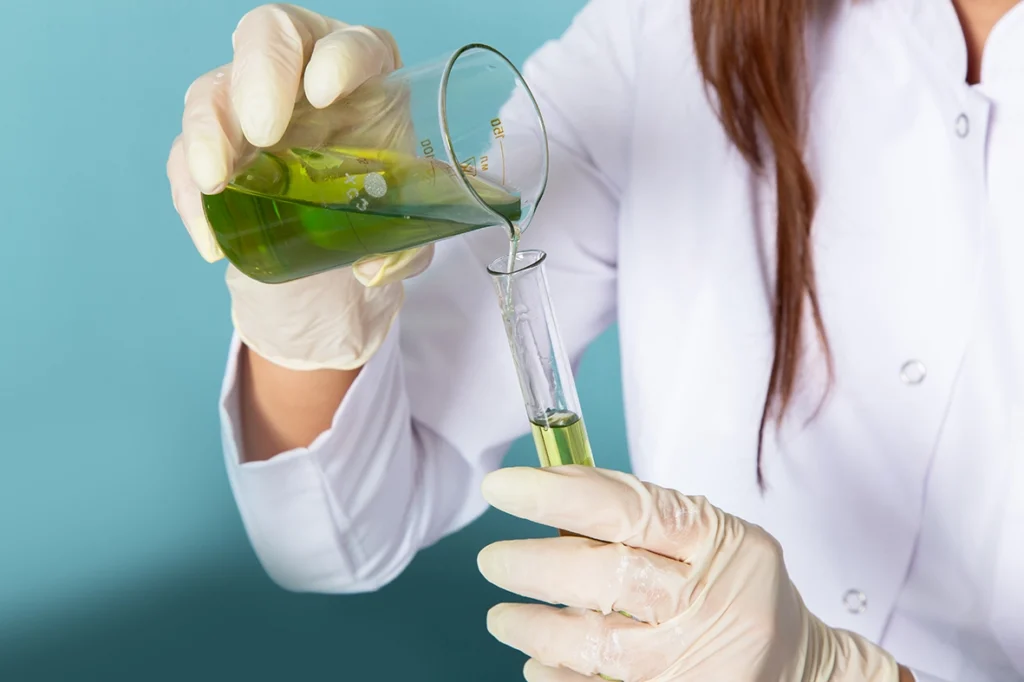
One of the challenges connected with phytochemicals is their bioavailability. Many of these compounds undergo rapid metabolism or are poorly absorbed in the digestive tract. That is why advanced technologies increasing their absorbability, such as encapsulation, liposomal dispersions or phospholipid complexes, are used more and more often. Thanks to them, phytochemicals can reach cells more effectively and display the full extent of their biological action.
Phytochemicals in modern supplementation
Contemporary dietary supplements are increasingly based on concentrated plant extracts standardised for their phytochemical content. Such an approach makes it possible to provide the body with a precisely defined amount of bioactive compounds. Combining different phytochemicals in a single formula allows a synergy effect to be obtained, in which the individual ingredients mutually reinforce each other's action. That is precisely why supplements based on plant extracts are gaining ever greater popularity.
Phytochemicals in the DWATRO Laboratories approach
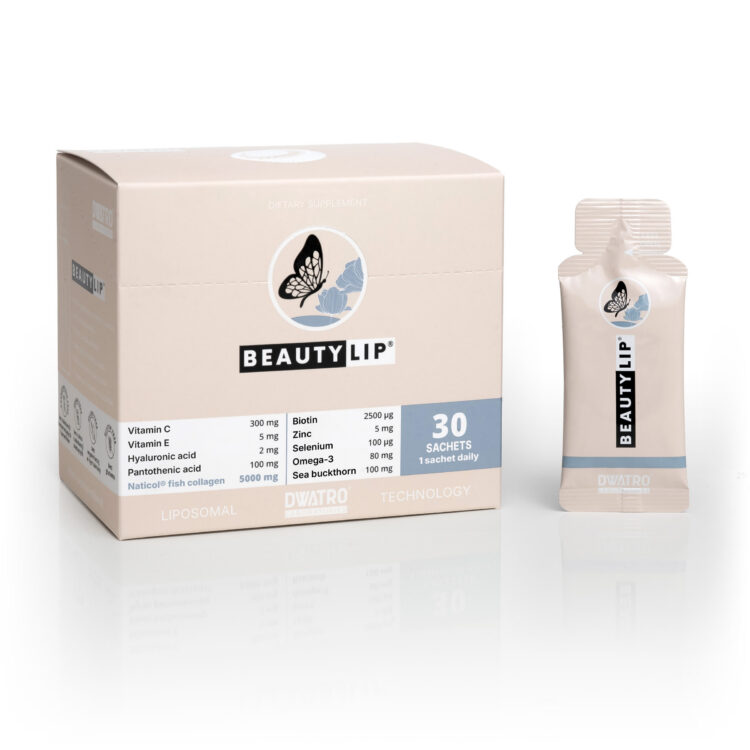
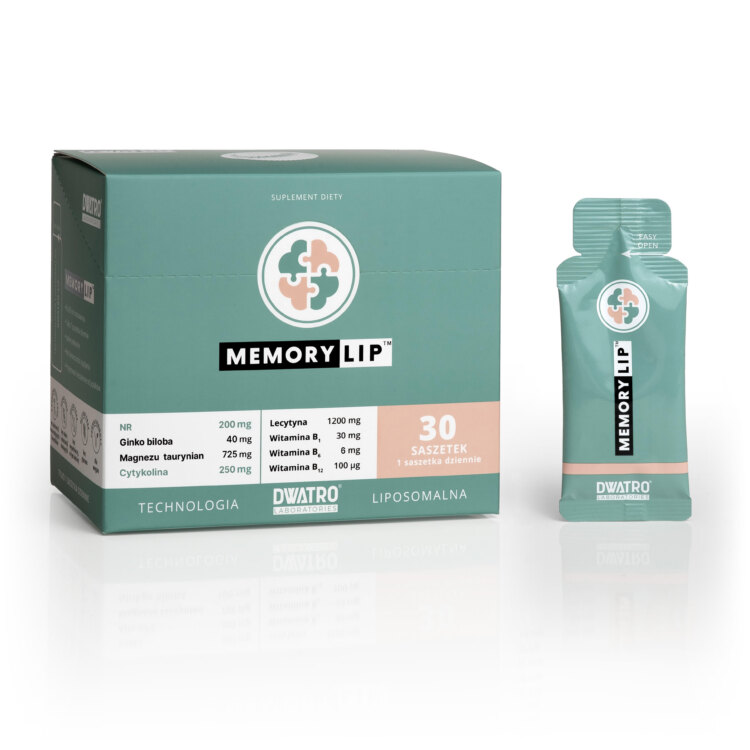
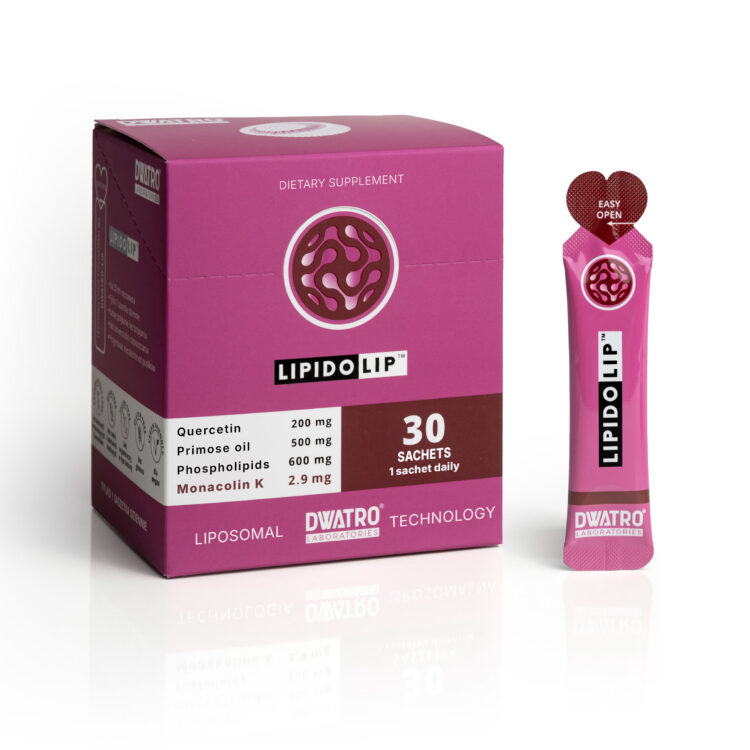
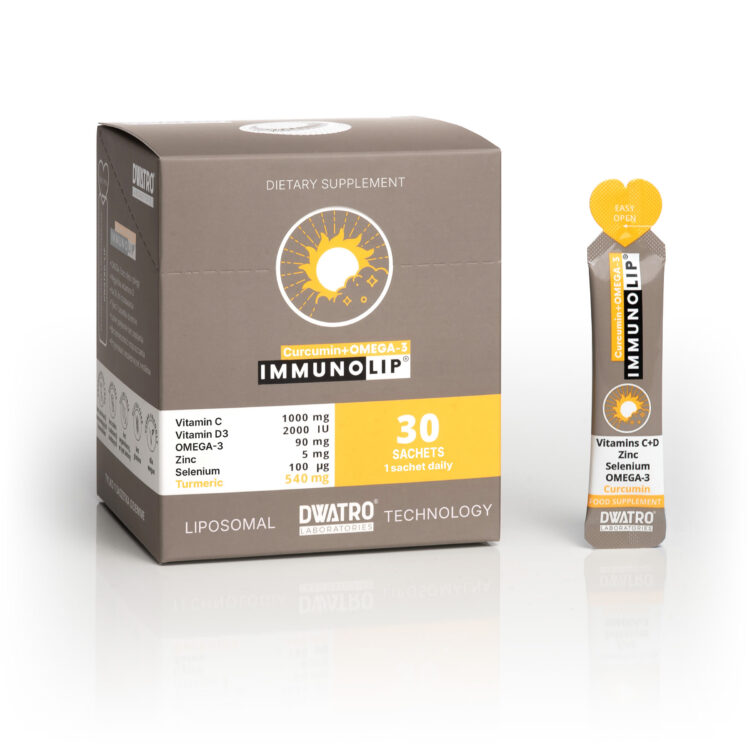
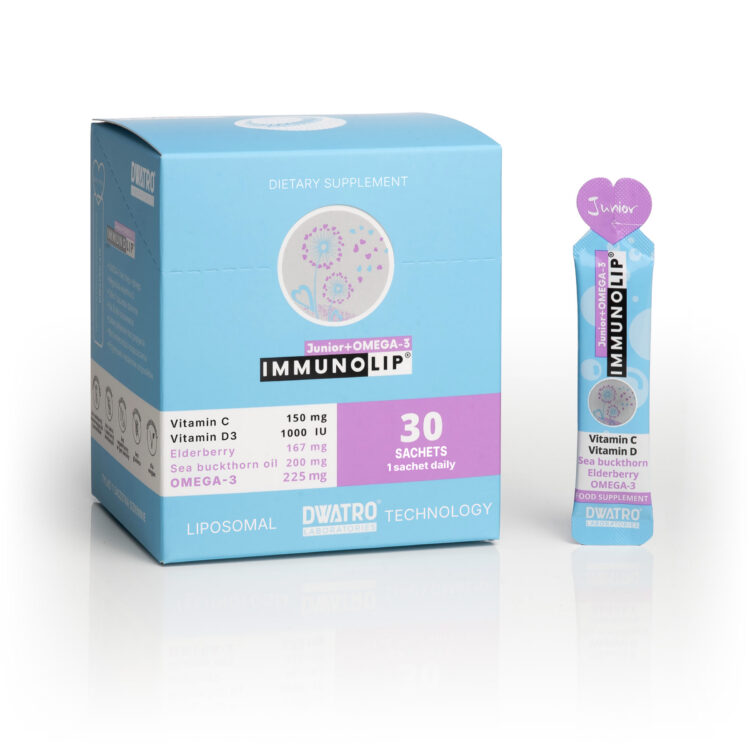
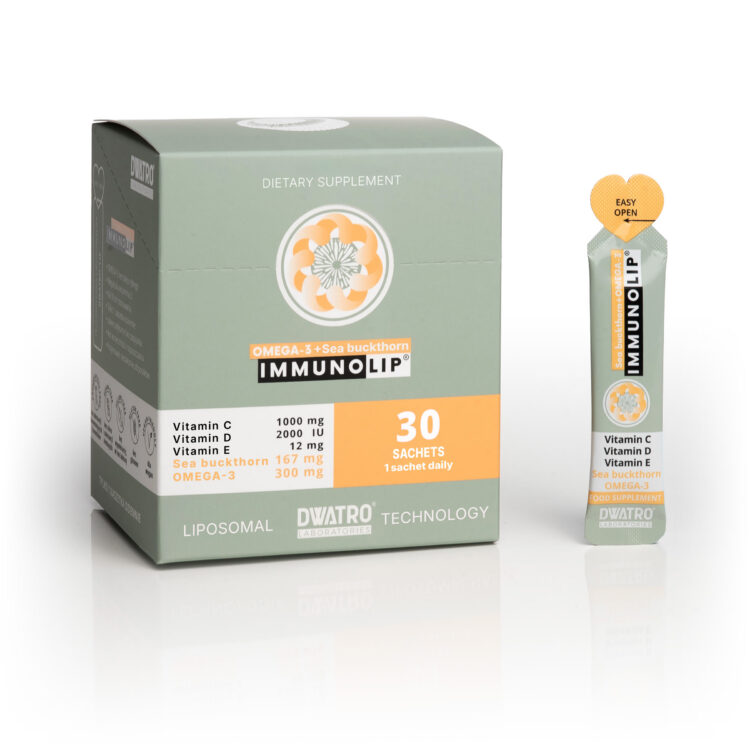
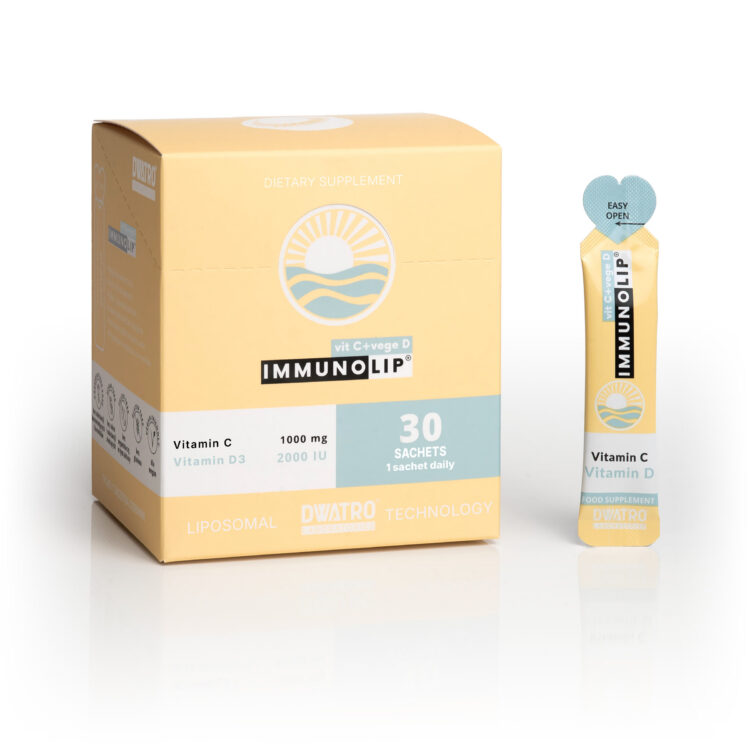
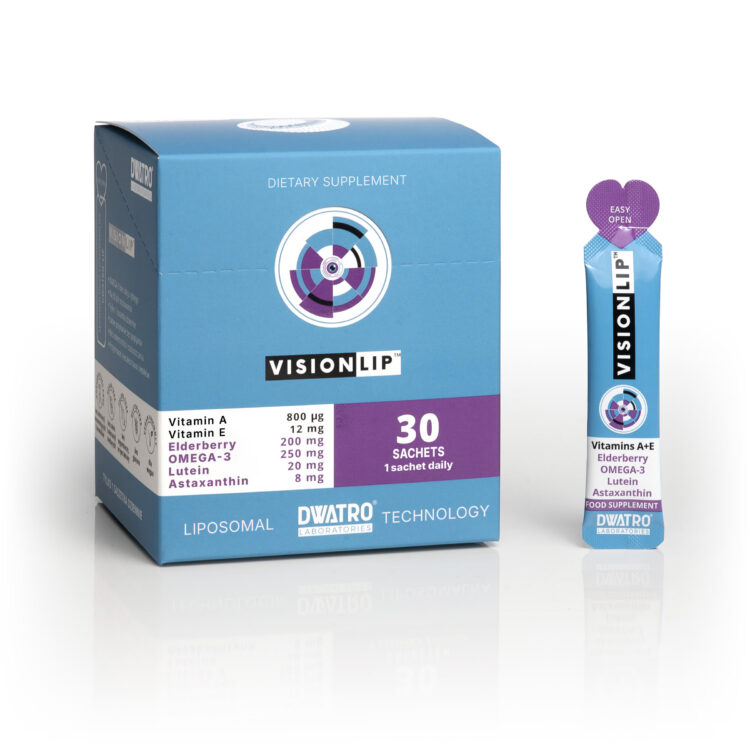
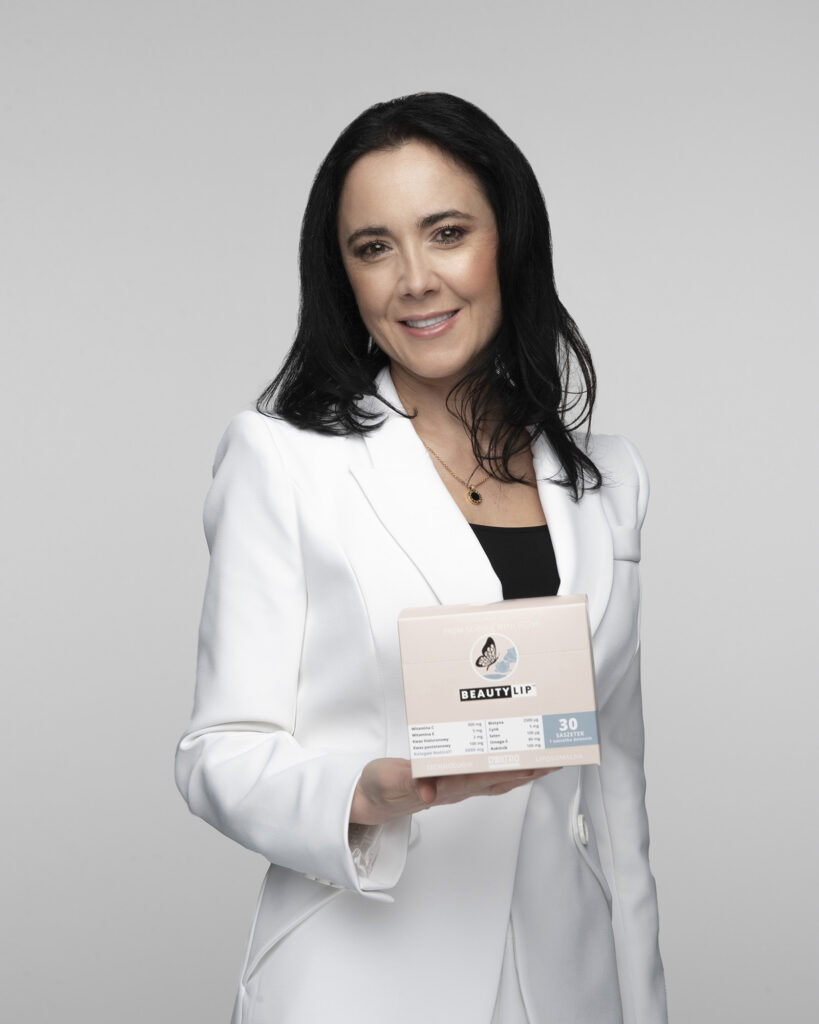
The brand DWATRO Laboratories makes use of the potential of phytochemicals in its advanced supplementation formulas, combining plant extracts with DWATRO®LIP technology. Thanks to the use of liposomal carriers, bioactive plant compounds are characterised by higher bioavailability and stability. DWATRO Laboratories products contain phytochemicals derived from plants with documented action, such as green tea, acerola, pomegranate or grape seeds, supporting cellular protection, immunity and regenerative processes.
Phytochemicals and intercellular communication
More and more studies indicate that phytochemicals influence communication between cells, modulating the signals responsible for growth, differentiation and apoptosis. Thanks to this, the body can more effectively eliminate damaged cells and support the regeneration of healthy tissues. This aspect of the action of phytochemicals makes them an important element of modern health prevention and of support for repair processes at the molecular level.
Summary
Phytochemicals are an exceptionally important group of plant compounds which support cellular health, protect the body against oxidative stress and regulate numerous metabolic processes. Their action includes support for immunity, protection of the skin, improvement of the functioning of the circulatory system and stabilisation of inflammatory processes. The effectiveness of phytochemicals depends to a large extent on their bioavailability, which is why modern technologies, such as the liposomal DWATRO®LIP systems, play a key role in their supplementation. Phytochemicals form a bridge between a plant-based diet and advanced health science, being one of the pillars of contemporary prevention and regeneration of the body.
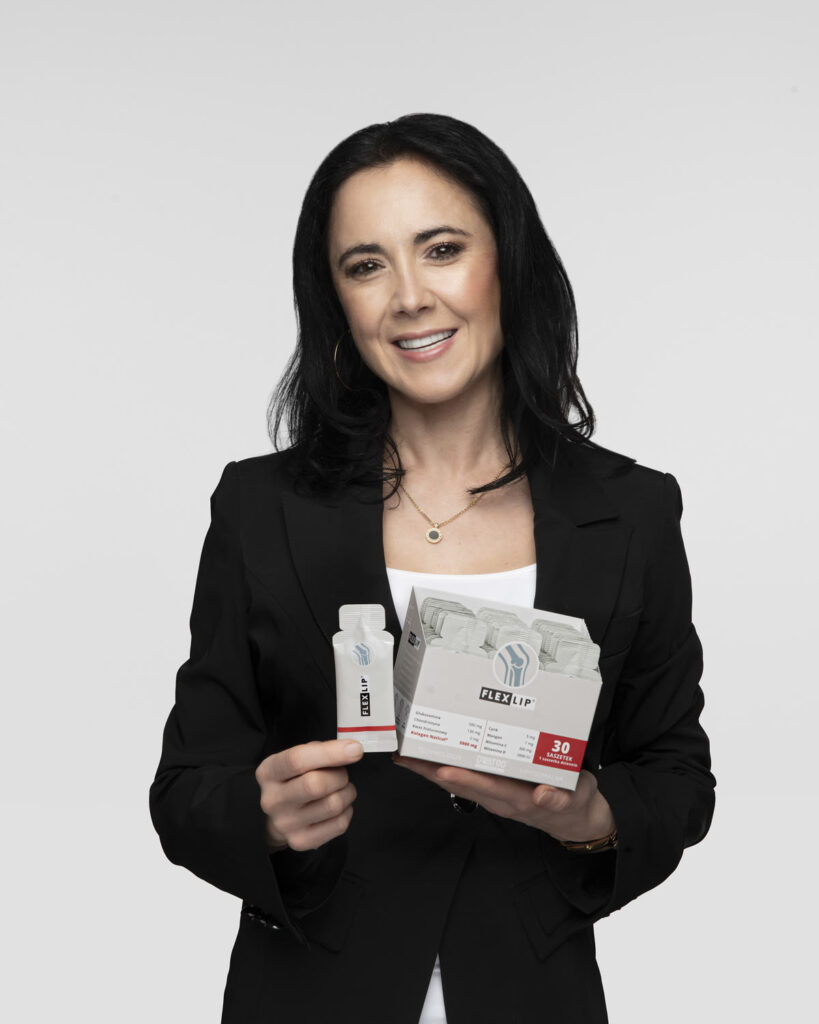
My name is Dorota Wątróbska-Świetlikowska, I am a pharmacist and a scientist holding the degree of habilitated doctor of pharmaceutical sciences. I decided to combine my scientific knowledge and experience in order to create dietary supplements of the highest quality.
My passion and main area of research are submicron dispersion systems, such as submicron emulsions, liposomes and lipospheres. After obtaining my doctoral degree, I turned my attention to the practical aspects of parenteral nutrition, combining the needs of the patient with the possibilities available to the pharmacist. What matters most to me is quality, safety and effectiveness, which is visible both in my scientific work and in my approach to creating supplements by Dwatro Laboratories®.