Coeliac disease – an autoimmune disease connected with gluten

Coeliac disease – an autoimmune disease connected with gluten
The clinical picture of coeliac disease
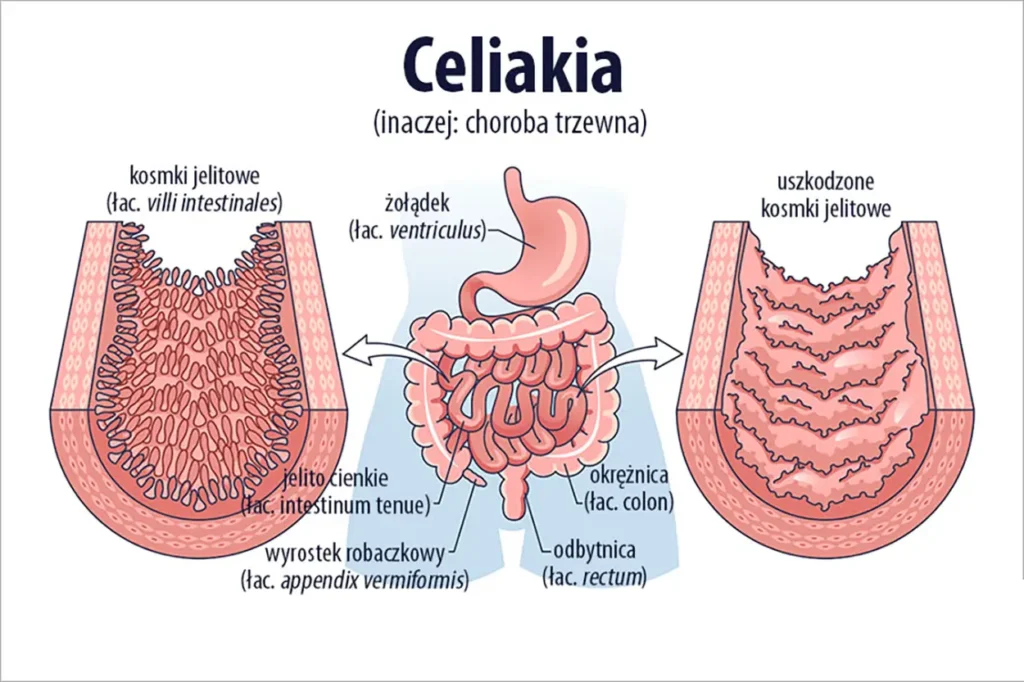
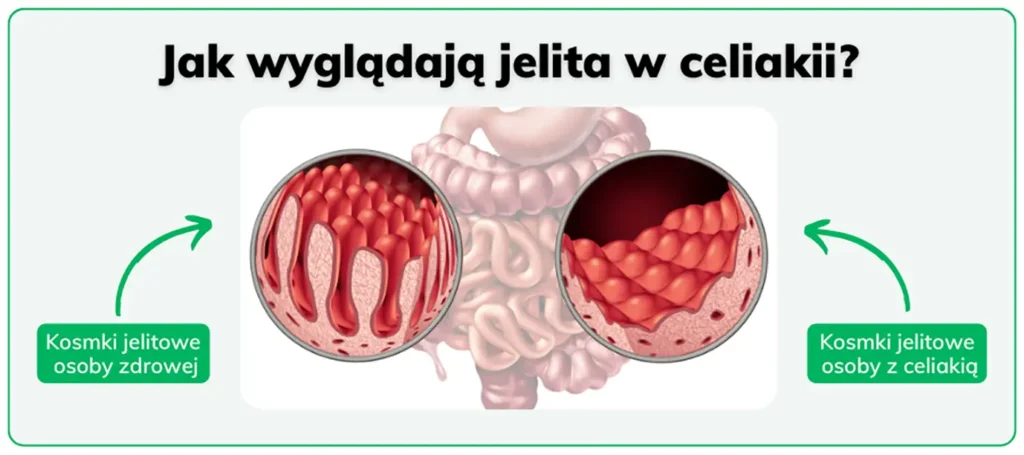
The disease can take a very varied course. In the classic form diarrhoea, flatulence, loss of body weight and abdominal pain predominate. In many patients, however, extraintestinal symptoms occur, such as iron deficiency anaemia, osteoporosis, chronic fatigue, aphthous ulcers in the mouth, headaches, lowered mood or infertility. There is also silent coeliac disease, in which the patient does not feel the typical intestinal ailments, but tests show the presence of characteristic antibodies and atrophy of the intestinal villi. The variety of symptoms means that the diagnosis is sometimes delayed by as much as several years.

The diagnostic process
The diagnosis of coeliac disease requires thorough testing. The basis is serological tests detecting antibodies against tissue transglutaminase, endomysium and deamidated gliadin peptides. In the case of positive results, a gastroscopy with a biopsy of the small intestine is performed in order to assess the degree of damage to the intestinal villi. Genetic tests for the HLA-DQ2 and HLA-DQ8 haplotypes, which increase the risk of developing the disease, are additionally helpful. It is important that the diagnostics take place with a normal intake of gluten, because eliminating this protein from the diet beforehand may falsify the test results.
Treatment of coeliac disease
The only effective method of treatment is the complete elimination of gluten from the diet. A gluten-free diet has to be followed for life. This means giving up products containing wheat, barley, rye and oats contaminated with gluten. Naturally gluten-free grains, such as rice, maize, buckwheat, amaranth or quinoa, are permitted. Following the diet leads to the regeneration of the intestinal villi, the disappearance of symptoms and an improvement in the quality of life. It should be remembered, however, that even small amounts of gluten are harmful and can trigger inflammation in the intestine again.
Complications resulting from a lack of treatment
Untreated coeliac disease is associated with numerous serious health consequences. Among them are severe deficiencies of vitamins and minerals, osteoporosis, fertility disorders, chronic fatigue, as well as an increased risk of developing cancers, especially lymphoma of the small intestine. The disease often coexists with other autoimmune conditions, such as type 1 diabetes, autoimmune thyroiditis or liver diseases. Early diagnosis and the introduction of a gluten-free diet significantly reduce the risk of complications.
The challenges of everyday life with coeliac disease
Life with coeliac disease requires careful meal planning and education. Gluten is present not only in bread or pasta, but also in many processed products, such as sauces, spices, sweets or cured meats. Cross-contamination in the kitchen, when trace amounts of gluten can get into a dish, is also a significant problem. Patients should learn to read labels, choose certified products and apply safety rules while cooking. The support of a dietitian and of patient groups is of enormous importance in adapting to the new health situation.
Supplementation and support from DWATRO Laboratories
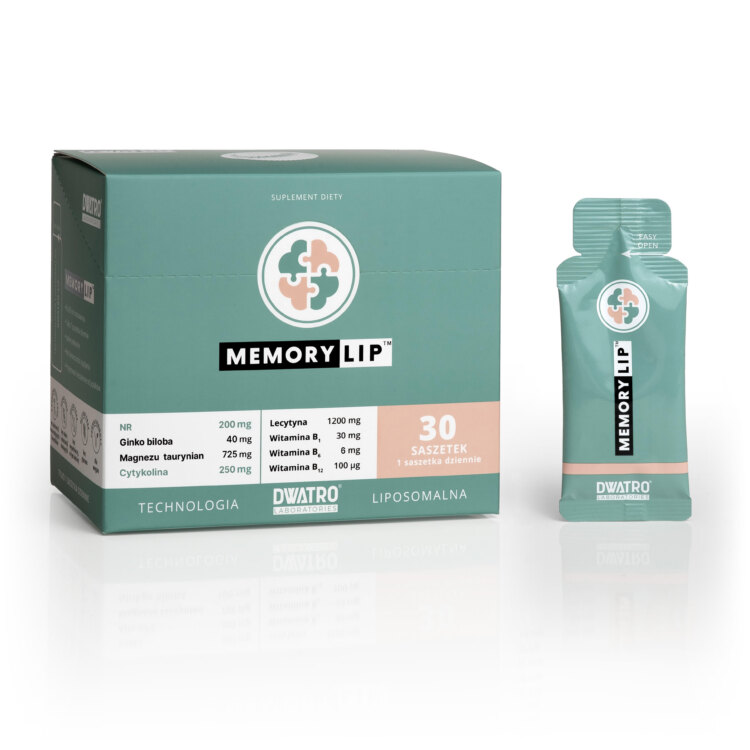
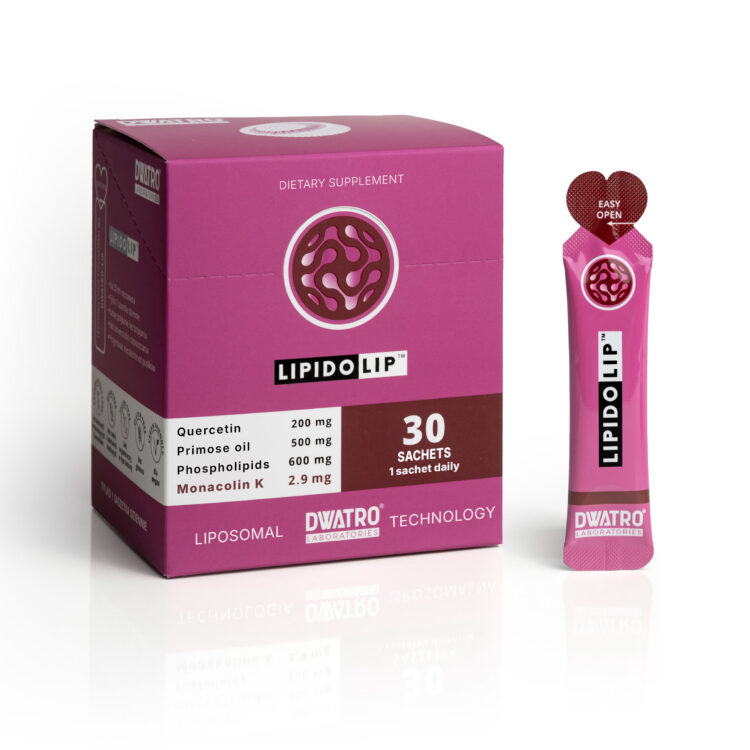
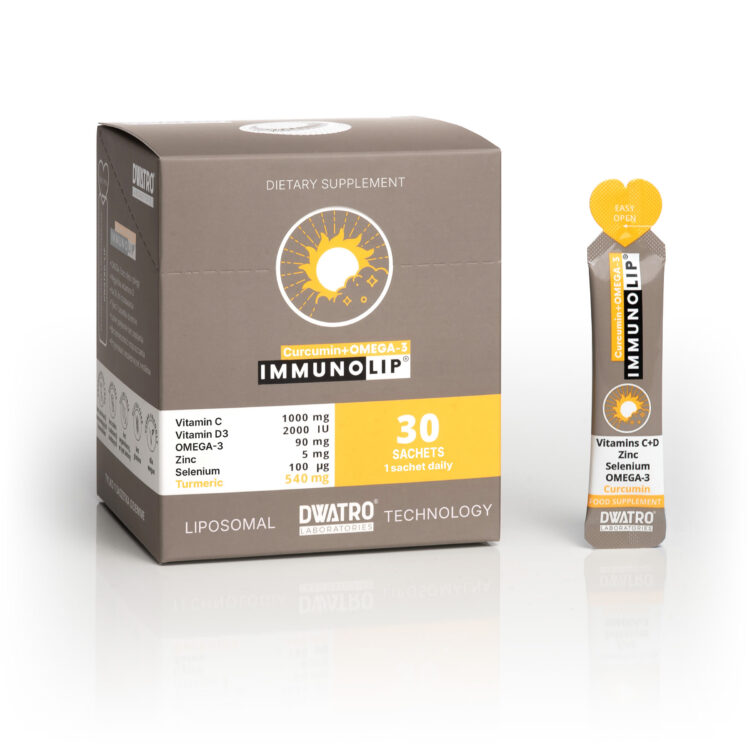
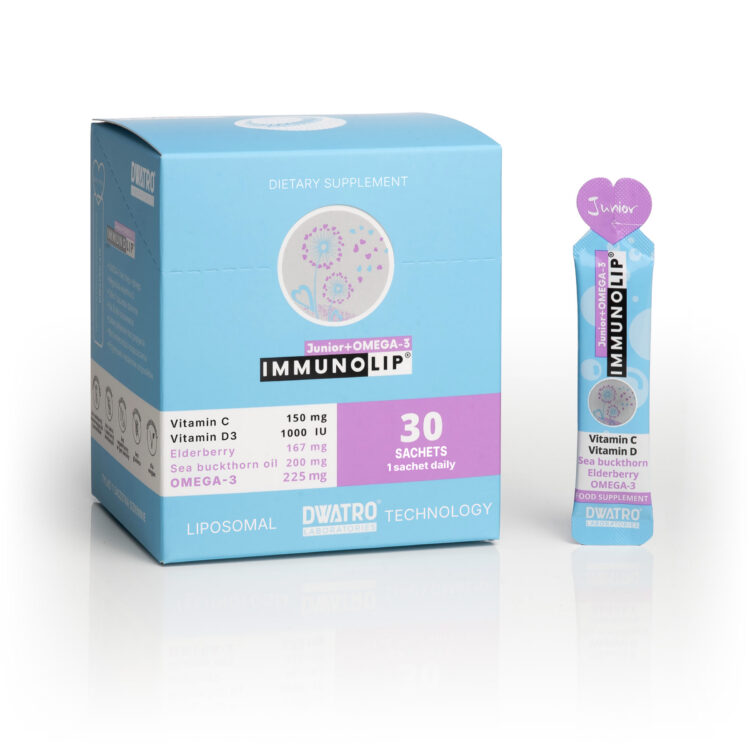
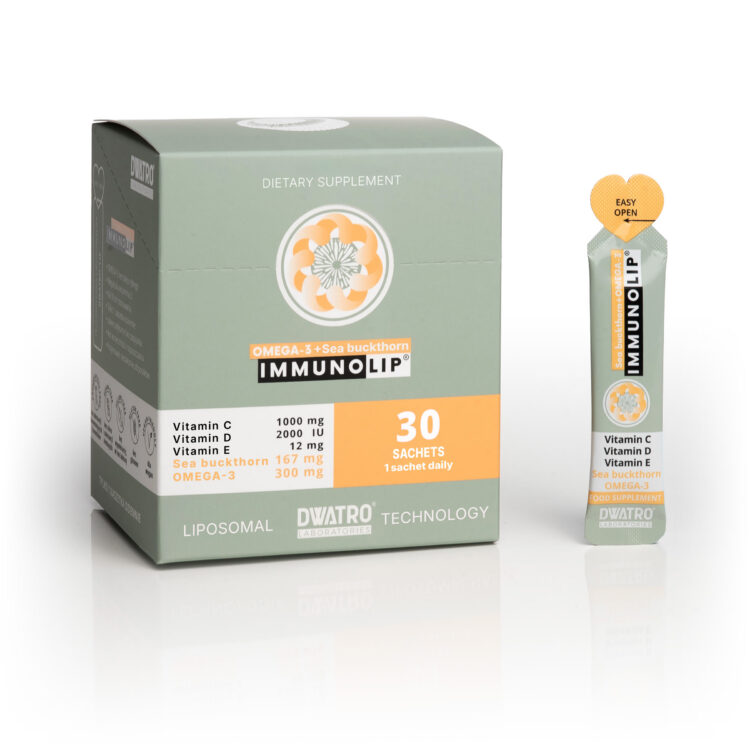
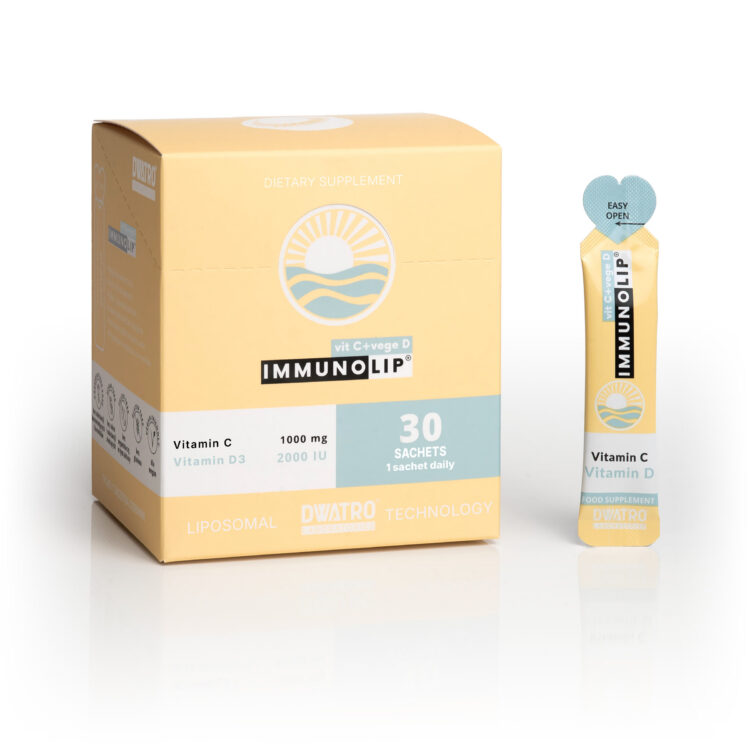
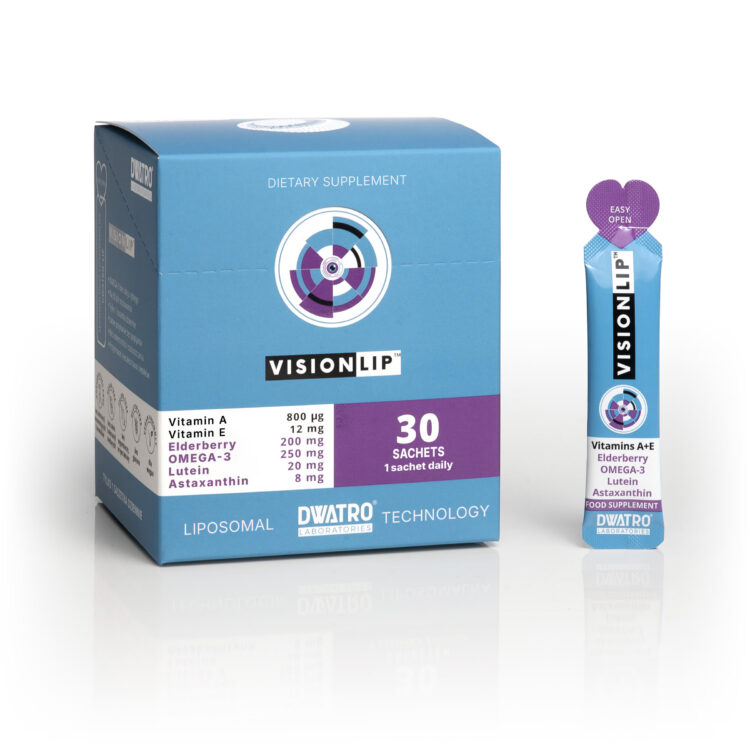
In people with coeliac disease, deficiencies of iron, folic acid, vitamin B12, vitamin D, calcium or zinc often occur. In many cases supplementation is necessary. Modern preparations, such as the products of DWATRO Laboratories, make use of liposomal technologies which increase the bioavailability of nutrients. Thanks to this, supplementation becomes more effective, which is particularly important in the case of people with a damaged small intestine and problems with absorption. Preparations supporting the rebuilding of vitamin and mineral reserves can speed up the return to full health and make everyday functioning easier.

Differences between coeliac disease and gluten intolerance
It is worth distinguishing coeliac disease from other problems connected with the consumption of gluten. Non-coeliac gluten intolerance causes gastric symptoms and a general feeling of being unwell, but it does not lead to the destruction of the intestinal villi and is not connected with an autoimmune reaction. Wheat allergy is IgE-dependent in nature and can cause symptoms typical of food allergies, such as urticaria or asthma. A correct diagnosis makes it possible to introduce the appropriate therapeutic management.
Coeliac disease versus gluten intolerance and allergy
It is worth distinguishing coeliac disease from other problems connected with gluten:
- non-coeliac gluten intolerance – symptoms similar to coeliac disease, but no damage to the intestines and no autoimmune markers,
- wheat allergy – an IgE-type reaction of the immune system, manifesting itself e.g. in urticaria, asthma or diarrhoea after eating wheat.
Can CBD be treated as a health “booster”?
Although CBD does not act like a typical stimulant, it can be regarded as a natural booster of well-being. It supports the homeostasis of the body, improves emotional balance and favours regeneration and calming down. Thanks to this it helps to maintain an optimal level of mental and physical energy, which in the longer term translates into better health and fitness.
Summary
Coeliac disease is a serious chronic disease which requires absolute adherence to a gluten-free diet. Only the strict elimination of gluten allows the intestines to regenerate and complications to be avoided. Contemporary medicine and the development of the market for gluten-free products mean that patients can lead a full and valuable life.
In addition, modern supplements, such as the formulas from DWATRO Laboratories, support the treatment process by effectively making up deficiencies. Coeliac disease does not have to be an obstacle to an active and healthy life, provided that the patient approaches the diet consciously, has regular tests and makes use of the available solutions that support the body.

My name is Dorota Wątróbska-Świetlikowska, I am a pharmacist and a scientist holding a habilitated doctorate in pharmaceutical sciences. I decided to combine my scientific knowledge and my experience in order to create dietary supplements of the highest quality.
My passion and my main area of research are submicron dispersion systems, such as submicron emulsions, liposomes and lipospheres. After obtaining my doctorate, I turned my attention to the practical aspects of parenteral nutrition, combining the needs of the patient with the capabilities of the pharmacist. Quality, safety and efficacy are the most important things for me , which is visible both in my scientific work and in my approach to creating supplements for Dwatro Laboratories®.