EFSA – the European guardian of food safety
EFSA – the European guardian of food safety
What EFSA is and what tasks it performs
EFSA, that is the European Food Safety Authority, is an independent agency of the European Union appointed to assess the risk connected with food, dietary supplements, feed and animal health. Its activity constitutes the foundation of the European system of consumer protection. EFSA does not create law, but supplies scientific opinions and analyses that allow the EU institutions to introduce regulations protecting the health of citizens. It is precisely on the basis of EFSA's positions that the regulations concerning food additives, nutrient reference values, the rules for labelling supplements, hygiene standards and maximum levels of contaminants are created.
Why EFSA was established
The turn of the 1990s and the 2000s brought numerous food-related crises, such as BSE (mad cow disease). This increased the need to create an institution independent of politics that would provide objective scientific analyses. EFSA was established in 2002 in order to introduce transparency and uniform food safety standards throughout the European Union. Its goal became the collection of scientific data, the assessment of risk and the passing on of reliable information both to governments and to consumers.
How EFSA works and what it bases its decisions on
The basis of EFSA's work is science. The agency analyses data from laboratories, clinical trials, epidemiological reports and food monitoring. It works with experts in the fields of toxicology, microbiology, food chemistry, dietetics, pharmacology and veterinary medicine. EFSA's decisions are neither intuitive nor political – every opinion is based on a review of scientific evidence. The authority operates transparently, publishing reports, research methods and the justifications for the recommendations it issues, which strengthens its credibility.
The areas that EFSA deals with
The scope of EFSA's activity covers a broad spectrum of issues connected with food safety. The agency analyses chemical contaminants such as heavy metals, pesticides and microplastics. It studies pathogens that may cause foodborne diseases, assesses food additives and their permissible amounts, and establishes the rules concerning dietary supplements and health claims on labels. EFSA is also responsible for determining the nutrient reference values for vitamins and minerals, setting safe levels for their intake. It is precisely thanks to EFSA that producers can inform consumers precisely about the action of their products, and that the supplement market operates according to uniform standards.
EFSA and dietary supplements
One of the most important areas of EFSA's activity is supplementation. It is the authority that decides which health claims may appear on supplement labels and in marketing materials. Thanks to this, consumers can be sure that producers' declarations are based on facts and not merely on promises. EFSA also assesses the safety of using individual ingredients, determines maximum doses and monitors possible interactions between supplements and the diet. Without an EFSA opinion, no new-generation ingredient can be approved in the European Union.
How EFSA influences the food and supplement market
EFSA's recommendations are often the starting point for creating new EU regulations. Thanks to this, the entire food and supplement market functions on the basis of uniform rules. The agency determines which ingredients are permissible, which limits must be observed and which quality requirements production has to meet. This means that the European Union belongs to the regions with the highest level of food safety in the world. EFSA also monitors emerging threats and reacts to them, publishing up-to-date guidelines and warnings.
Where EFSA draws its data from
In order to be able to assess risk, EFSA draws on an extensive network of sources. The data come from the member states, research institutes, reference laboratories and international organisations. The agency also runs its own research projects, analyses nutritional trends and reacts to new scientific reports. Continuous access to up-to-date information means that EFSA's opinions remain one of the most credible sources of knowledge in Europe.
EFSA and innovation in supplementation – the significance for DWATRO Laboratories
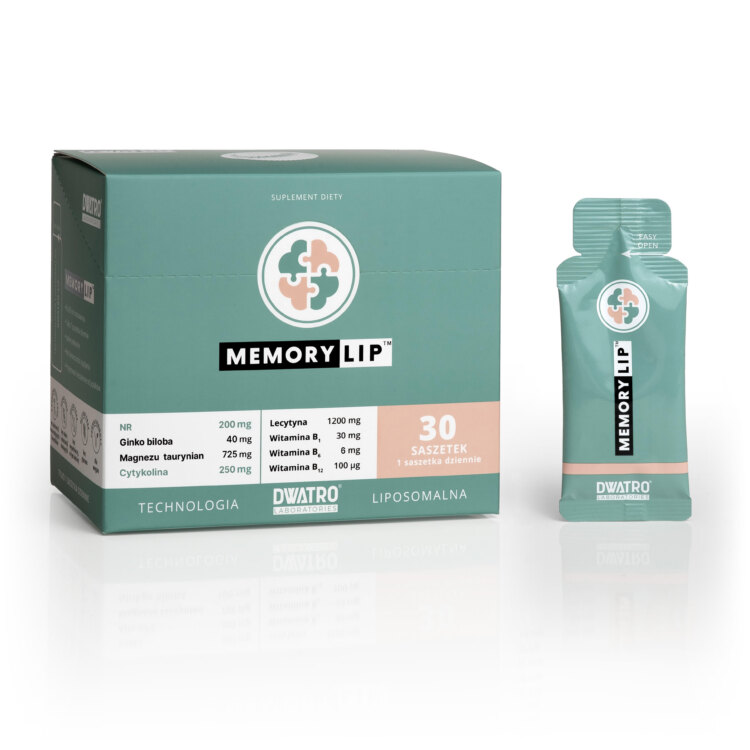
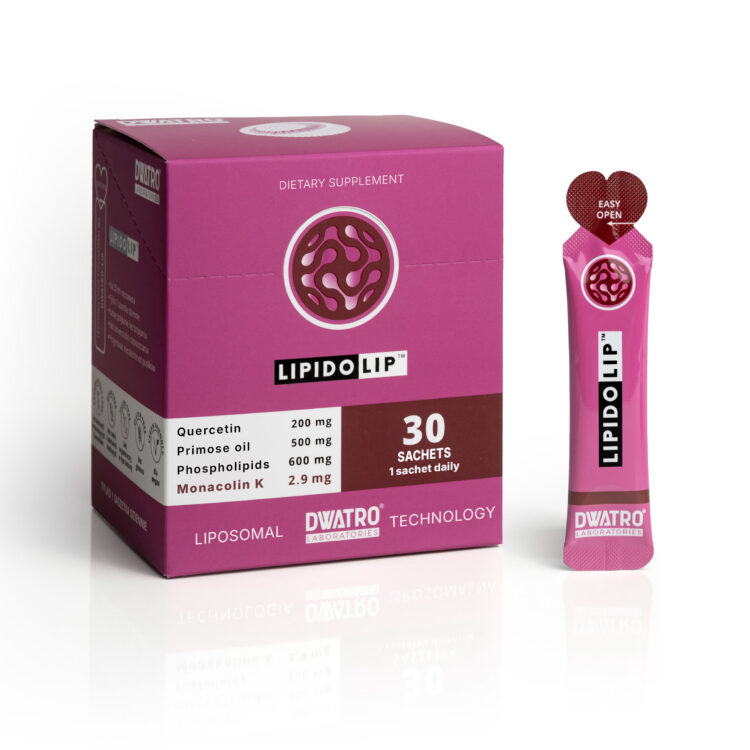
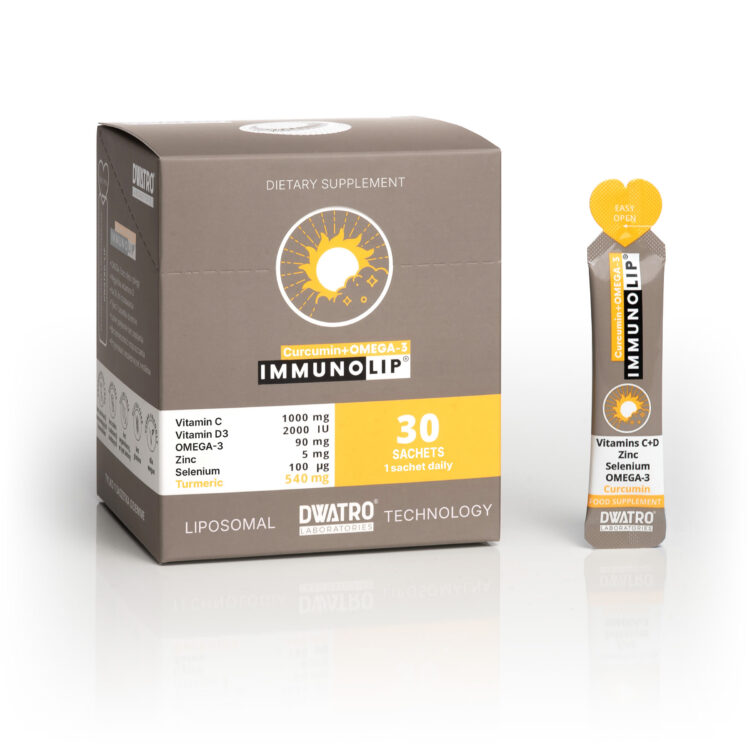
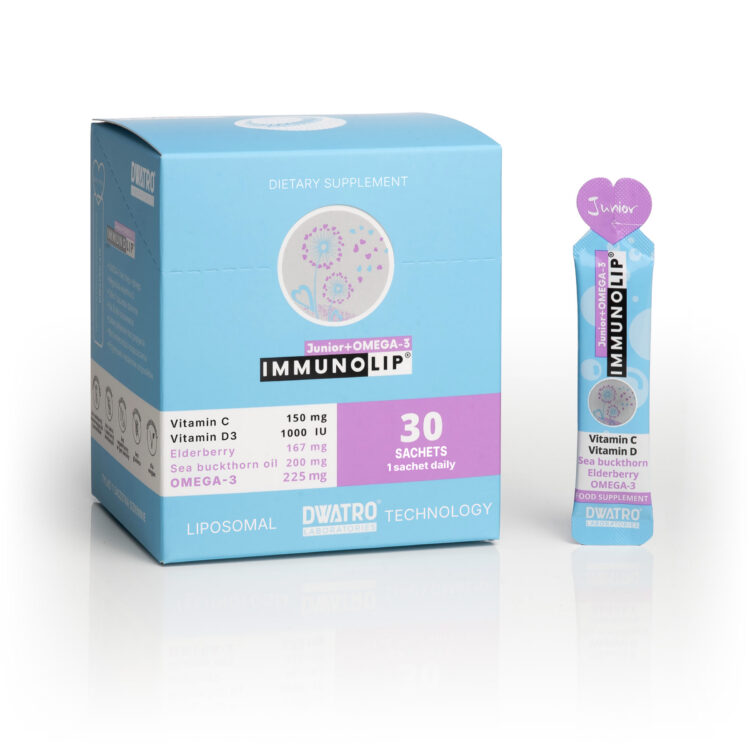
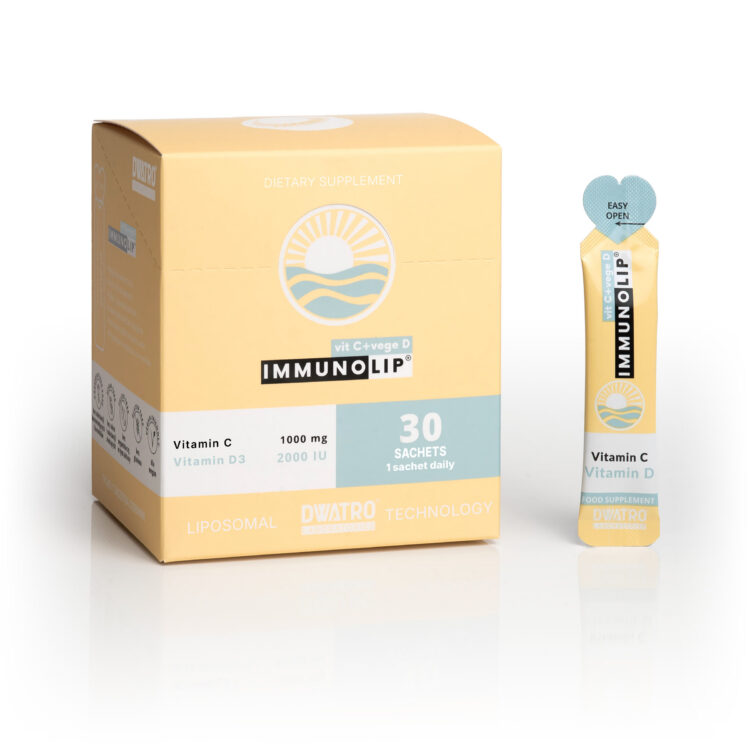
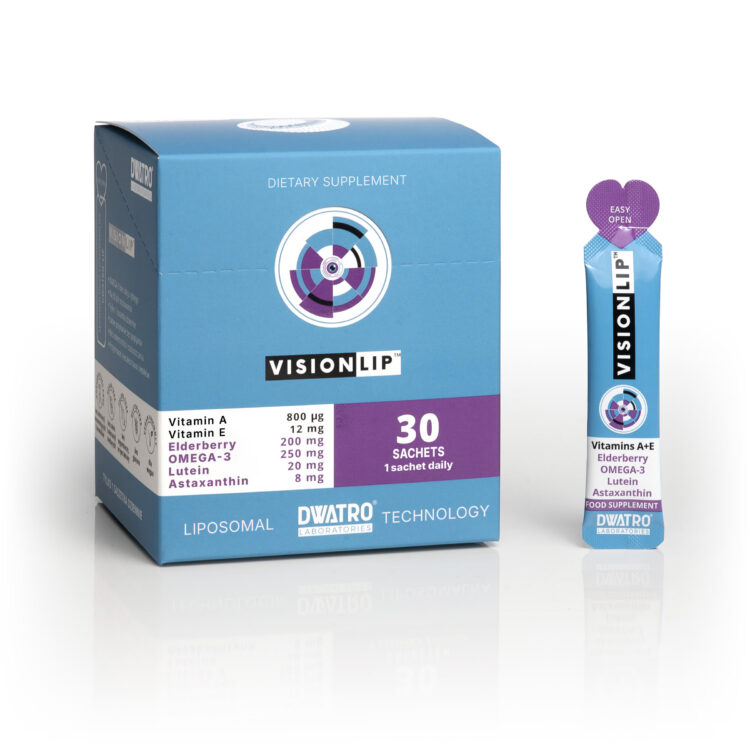
The DWATRO Laboratories brand creates its supplements in accordance with the European norms and safety assessment standards arising from EFSA's recommendations. Advanced liposomal formulas such as DWATRO®LIP are created on the basis of raw materials for which approved health claims and established intake levels exist. Thanks to EFSA's guidelines, DWATRO Laboratories supplements are characterised by high purity, an appropriate dose of the ingredients and full transparency of action. The consumer receives a product that is not only effective, but above all safe and compliant with the requirements of the European market.
Why EFSA is so important for consumers
The average consumer has no possibility of analysing toxicological studies or of tracking food quality across the whole of Europe. EFSA takes over this role, acting like a shield protecting public health. Thanks to the work of experts the market is transparent, and consumers can trust the labelling and the declarations of producers. EFSA's activity reduces the risk of abuse and raises the quality of the products available on the market.

Summary
EFSA is a key pillar of the European food safety system. As an independent scientific institution it analyses data, assesses risks and formulates recommendations that influence the quality of food products and supplements. Its opinions are of enormous importance for consumers, legislators and producers such as DWATRO Laboratories, who create their formulas with respect for the highest standards. The presence of EFSA ensures that the food and supplements available on the market are controlled, safe and consistent with current scientific knowledge.

My name is Dorota Wątróbska-Świetlikowska, I am a pharmacist and a scientist holding a habilitated doctorate in pharmaceutical sciences. I decided to combine my scientific knowledge and experience in order to create dietary supplements of the highest quality.
My passion and main area of research are submicron dispersion systems, such as submicron emulsions, liposomes and lipospheres. After obtaining my doctorate, I turned my attention to the practical aspects of parenteral nutrition, combining the needs of the patient with the possibilities of the pharmacist. Quality, safety and effectiveness are the most important things for me , which is visible both in my scientific work and in my approach to creating supplements from Dwatro Laboratories®.