Phospholipids – strategic molecules that determine the functioning of cells
Phospholipids – strategic molecules that determine the functioning of cells
Phospholipids as the architecture of cellular life
Phospholipids are the basic components of the cell membranes of all living organisms. They form the lipid bilayer which separates the interior of the cell from the external environment and at the same time enables a controlled exchange of substances. Their unique structure, consisting of a hydrophilic and a hydrophobic part, means that they spontaneously organise themselves into biological structures. It is precisely thanks to phospholipids that cells retain their integrity, elasticity and the ability to react to chemical and physical stimuli.
Why phospholipids are indispensable for the body
The importance of phospholipids goes far beyond a building function. They take part in the transmission of cellular signals, in the activation of enzymes and in the regulation of metabolic processes. Phospholipids influence the fluidity of membranes, which determines the proper working of receptors, ion channels and transporters. Without cell membranes of appropriate quality, communication between cells becomes disturbed, which may lead to metabolic, neurological and immunological problems.

Phospholipids in the nervous system
The nervous system is one of the systems in the body most dependent on phospholipids. The myelin sheaths which insulate nerve fibres consist to a large extent of phospholipids. Their appropriate structure determines the speed of conduction of nerve impulses and the stability of signals. Phospholipids also provide choline, which is indispensable for the synthesis of acetylcholine, the neurotransmitter responsible for memory, concentration and muscle control. Disturbances in phospholipid balance may affect cognitive functions and the resistance of the nervous system to stress.
The role of phospholipids in the liver and in detoxification
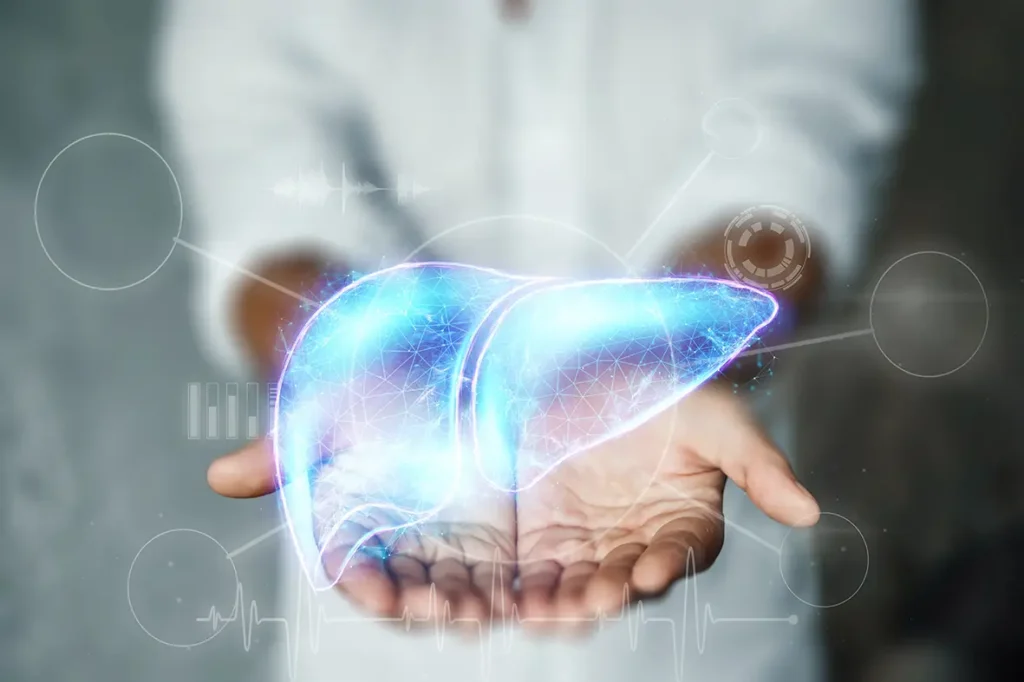
The liver is an organ of very high metabolic activity, and phospholipids play a key role in it. They build the membranes of hepatocytes, support the regeneration of cells and take part in detoxification processes. Phospholipids are indispensable for the proper production and secretion of bile, which makes it possible to digest fats and to remove unnecessary products of metabolism. Their appropriate level helps to protect the liver against fatty degeneration and oxidative stress.
Phospholipids and the metabolism of fats
Phospholipids take part in the transport of lipids in the blood, being an element of lipoproteins. They enable the proper transfer of cholesterol and fatty acids between tissues, preventing their uncontrolled accumulation. They also influence the emulsification of fats in the digestive tract, which increases their digestibility and the absorption of fat-soluble vitamins. Thanks to this, phospholipids support metabolic balance and the health of the cardiovascular system.
The importance of phospholipids for the intestines and the protective barrier
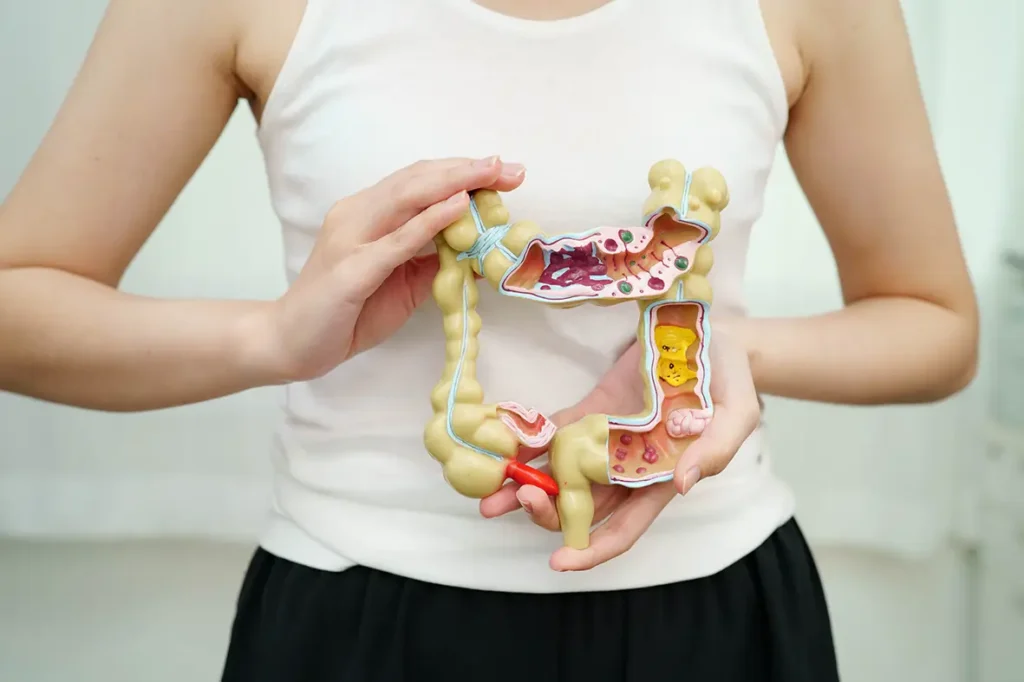
The mucous membranes of the intestines contain a large amount of phospholipids, which are responsible for their tightness and their resistance to irritating factors. The proper structure of this barrier prevents toxins, pathogens and undigested particles from penetrating into the bloodstream. Phospholipids support the regeneration of the intestinal epithelium and help to maintain microbiological balance, which is of key importance for the immunity of the whole body.
Phospholipids in the processes of ageing and regeneration
With age the composition of cell membranes changes, which affects their fluidity and functionality. A decline in the quality of phospholipids may lead to weakened cellular communication and slower tissue regeneration. Providing phospholipids supports the rebuilding of membranes, improves the resistance of cells to oxidative stress and favours the preservation of their proper functions. For this reason phospholipids are an important element of an anti-aging strategy at the cellular level.
Phospholipids in modern supplementation
The source of phospholipids in supplements is most often soy or sunflower lecithin. Their effectiveness depends, however, on the quality of the raw material and on the form of administration. Traditional preparations may have limited bioavailability, which is why phospholipid dispersions and liposomal technologies are used more and more often. Such solutions allow a more effective use of phospholipids and the simultaneous delivery of other active ingredients.

Phospholipids in DWATRO Laboratories technology
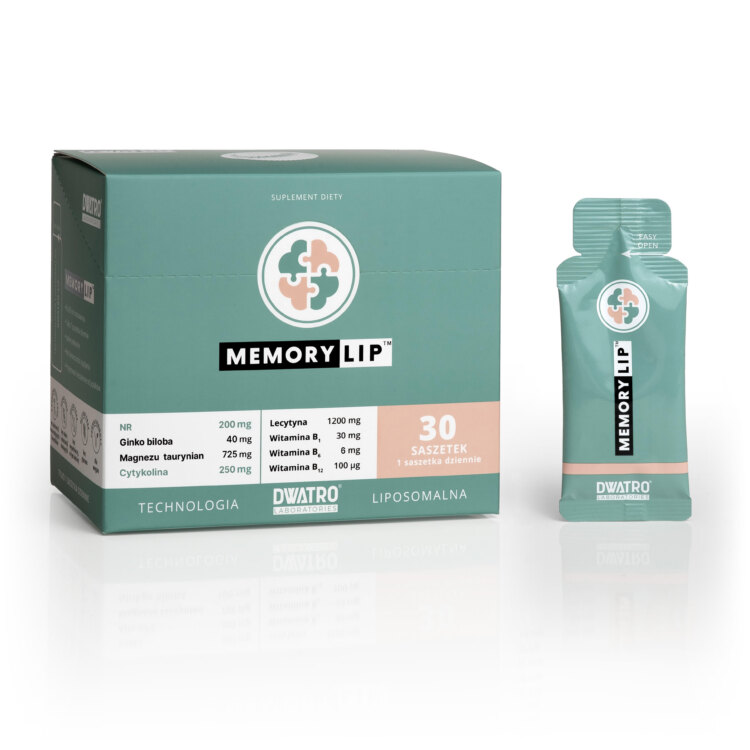
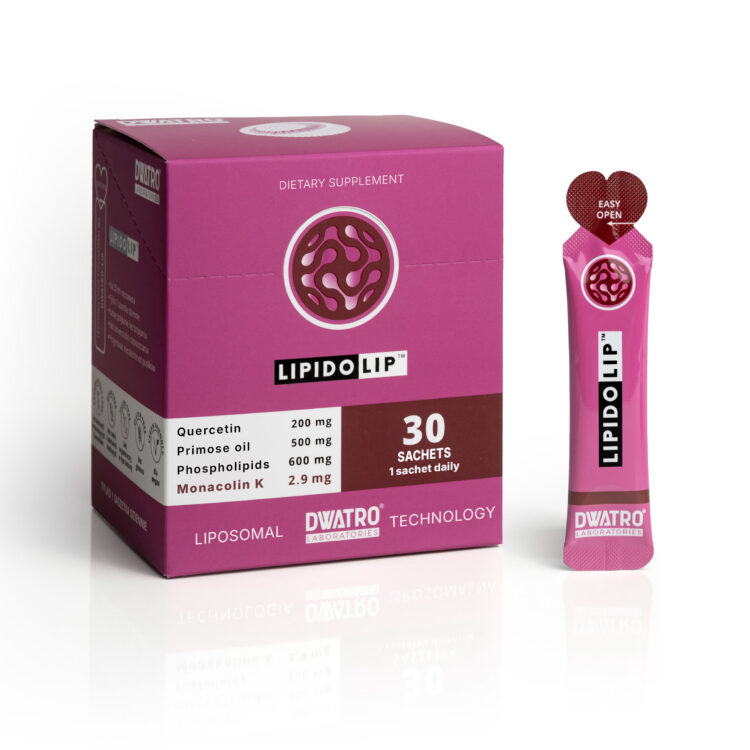
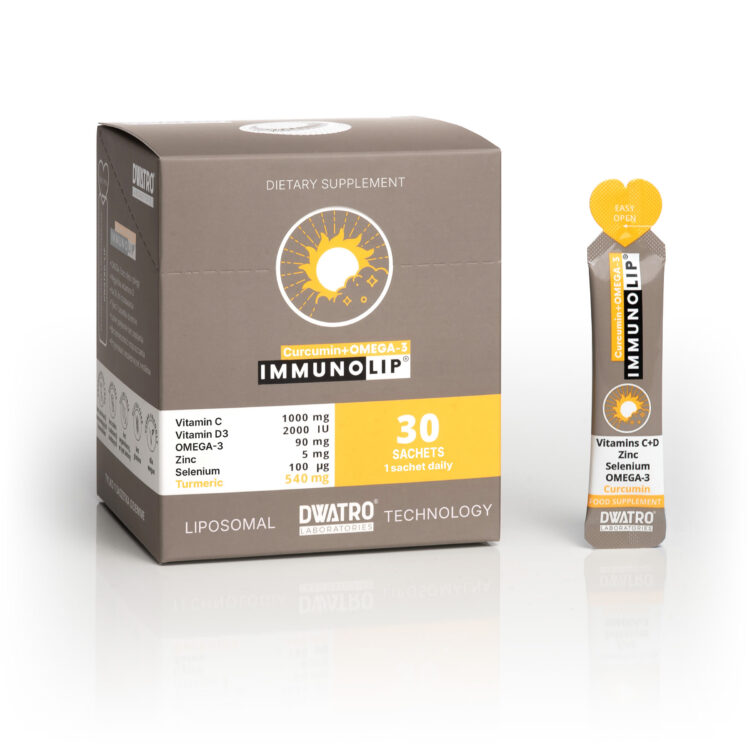
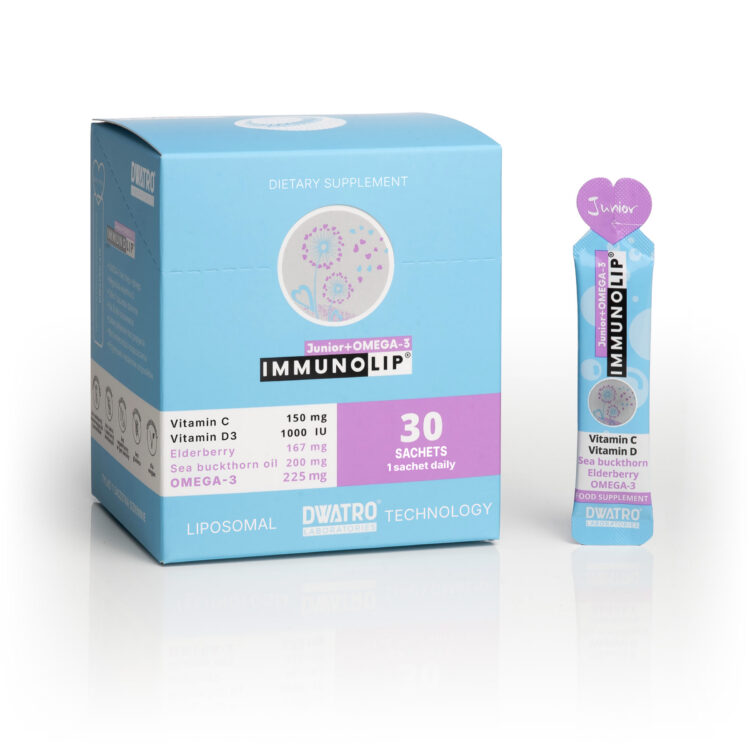
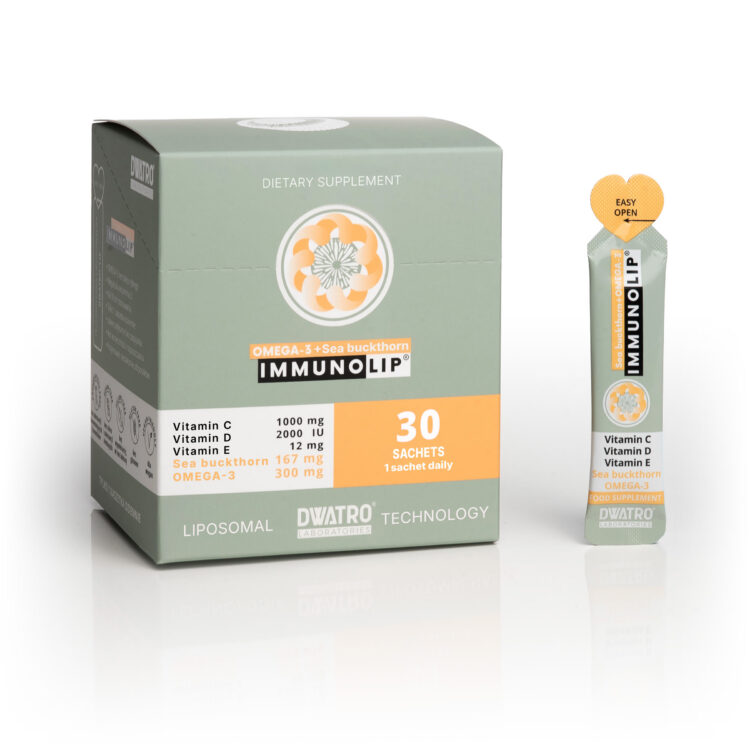
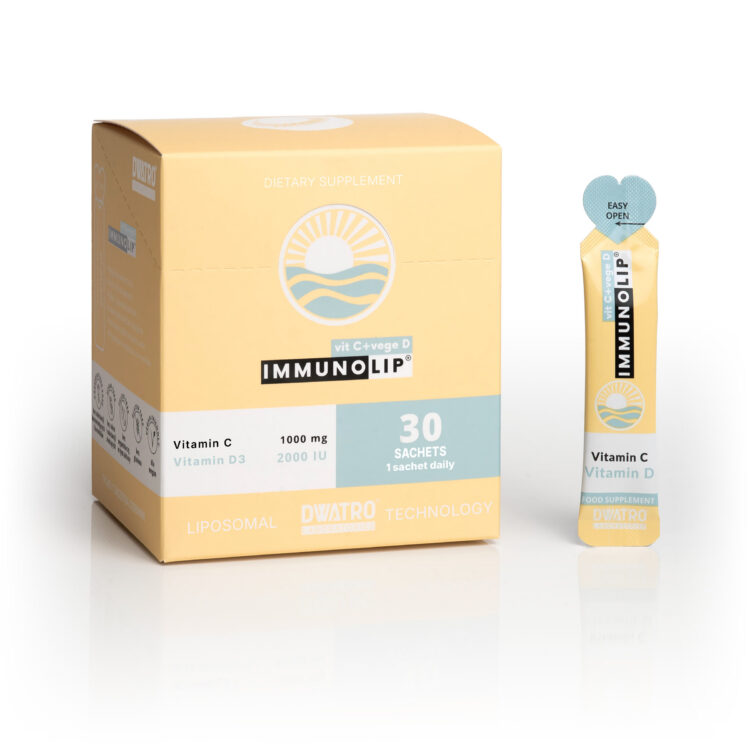
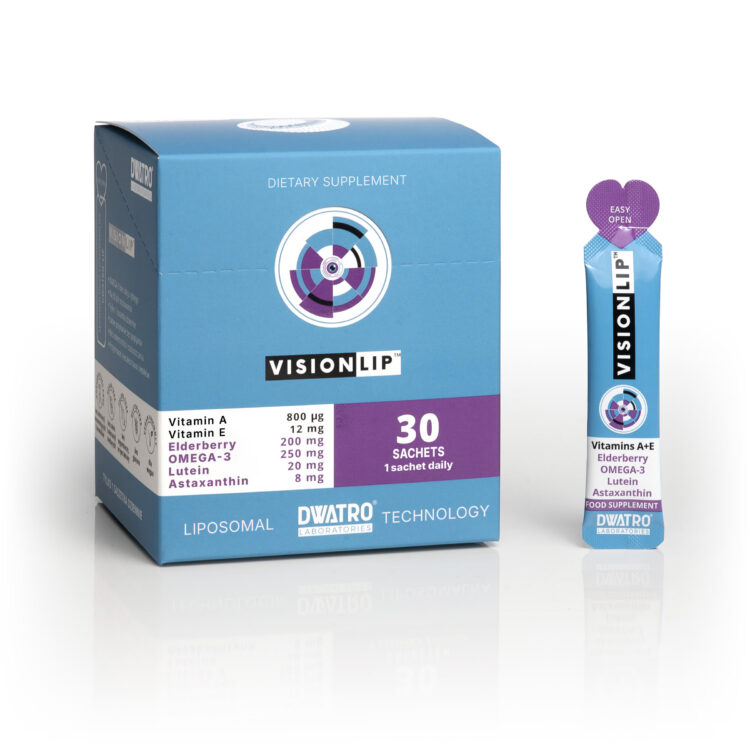
The brand DWATRO Laboratories uses phospholipids as the foundation of DWATRO®LIP technology, creating stable liposomal dispersions of high bioavailability. Phospholipids play a double role here – they are both an active ingredient supporting cell membranes and a carrier enabling the effective transport of vitamins, polyphenols and coenzymes into the interior of cells. Such an approach allows real support for cellular health, for the liver, for the nervous system and for metabolism.
Phospholipids and resistance to cellular stress
Phospholipids increase the ability of cells to adapt in conditions of physical, metabolic and oxidative stress. A stable cell membrane better protects internal structures against damage and enables faster regeneration after overloads. Thanks to this, phospholipids play an important role in maintaining the immunity of the body at the cellular level over the long term.

Summary
Phospholipids are an indispensable element of cellular life, determining the integrity of membranes, intercellular communication and the metabolic efficiency of the body. Their influence covers the functioning of the nervous system, the liver, the intestines and regenerative processes. The effectiveness of phospholipids depends on their quality and bioavailability, which is why modern technologies, such as DWATRO®LIP used by DWATRO Laboratories, make it possible to use their biological potential in full. Phospholipids constitute the foundation of modern supplementation directed at cellular health, immunity and the long-term balance of the body.

My name is Dorota Wątróbska-Świetlikowska, I am a pharmacist and a scientist holding the degree of habilitated doctor of pharmaceutical sciences. I decided to combine my scientific knowledge and experience in order to create dietary supplements of the highest quality.
My passion and main area of research are submicron dispersion systems, such as submicron emulsions, liposomes and lipospheres. After obtaining my doctoral degree, I turned my attention to the practical aspects of parenteral nutrition, combining the needs of the patient with the possibilities available to the pharmacist. What matters most to me is quality, safety and effectiveness, which is visible both in my scientific work and in my approach to creating supplements by Dwatro Laboratories®.