Fillers – modern volumisers in aesthetic medicine and skin regeneration

Fillers – modern volumisers in aesthetic medicine and skin regeneration
What are fillers and what function do they perform?
Fillers, also called tissue volumisers, are preparations used in aesthetic medicine in order to restore volume, correct the features of the face and improve the quality of the skin. Their main task is to make up tissue losses that have arisen as a result of ageing, the loss of collagen and elastin or natural anatomical predispositions. Fillers act locally, but their influence reaches deeper – they stimulate the tissues to regenerate and improve the structure of the skin from within.
Which substances are used in fillers?
The most frequently used ingredient of fillers is hyaluronic acid, which occurs naturally in the skin and is responsible for its hydration and elasticity. Fillers can have different densities and degrees of cross-linking, which makes it possible to match them to a particular area of the face. Besides hyaluronic acid, calcium hydroxyapatite, polylactic acid and biostimulating preparations are also used, which not only fill but also stimulate fibroblasts to produce collagen. The choice of substance depends on the aim of the procedure, the condition of the skin and the expected effect.
The mechanism of action of fillers in the tissues
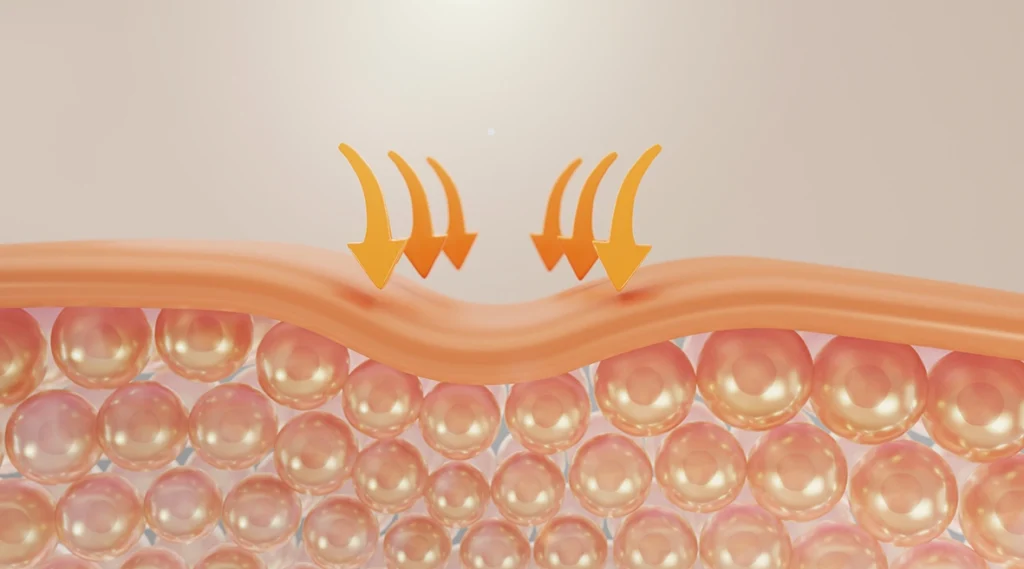
After administration, a filler fills the intercellular space, mechanically lifting the skin and restoring its volume. At the same time the preparation binds water, which improves the hydration and tension of the skin. In the case of modern biostimulating fillers, regenerative processes are also activated – fibroblasts begin to produce collagen and elastin more intensively. Thanks to this the effect of the procedure is not limited solely to filling but leads to a long-term improvement in the quality of the skin.
Fillers and the ageing process of the face
The ageing of the face does not consist solely in the appearance of wrinkles. With age there is a loss of fatty tissue, a loss of skin density and changes in the bone structures. Fillers make it possible to counteract these processes by rebuilding lost volume and restoring the proportions of the face. Skilfully applied fillers do not change the features but restore freshness, symmetry and a natural appearance to the face.
Areas of application of fillers
Fillers are used to model the cheeks, lips, chin and jawline, and also to fill the nasolabial folds and marionette lines. They are also increasingly used in procedures that revitalise the skin of the hands, the neck and the décolletage. Fillers of lower density serve to improve the quality of the skin, while more heavily cross-linked preparations are used for contouring and rebuilding volume.
The safety and biocompatibility of fillers
Modern fillers are biocompatible preparations, which means that they are well tolerated by the body. Hyaluronic acid undergoes gradual breakdown, and its metabolites are removed naturally. The safety of the procedure depends, however, on the quality of the preparation, the technique of administration and the experience of the specialist. Proper qualification of the patient and an individual approach minimise the risk of complications and ensure a natural aesthetic effect.
Fillers and skin regeneration
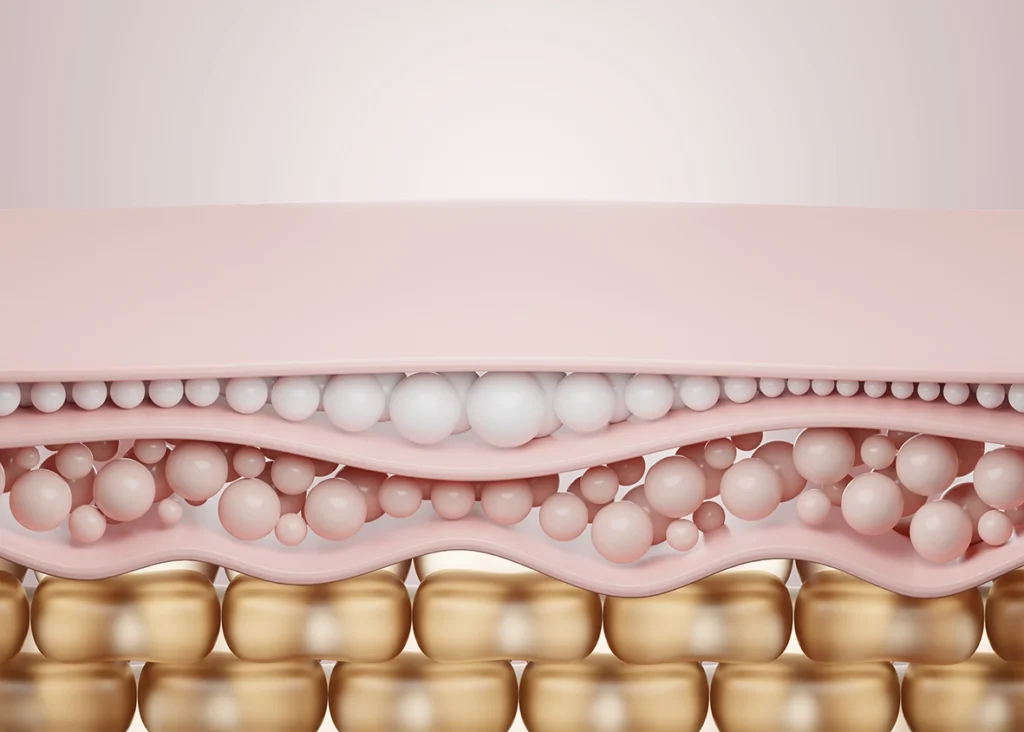
Contemporary aesthetic medicine increasingly treats fillers not only as a corrective tool but also as a regenerative one. Biostimulating preparations improve microcirculation, support the rebuilding of the extracellular matrix and increase the density of the skin. The result is an improvement in the structure, elasticity and resistance of the skin to external factors. Such an approach brings fillers closer to modern anti-ageing therapy based on biological regeneration.
The role of supplementation in the results of filler procedures
The condition of the skin before and after procedures using fillers is of enormous importance for the durability of the results. An appropriate supply of collagen, vitamin C, zinc, silicon and antioxidants supports repair and regenerative processes. Supplementation influences the activity of fibroblasts, improves the hydration of the skin and supports the rebuilding of tissues. Combining aesthetic procedures with dermo-supplementation makes it possible to obtain more natural and longer-lasting results.

Fillers and the modern approach of DWATRO Laboratories
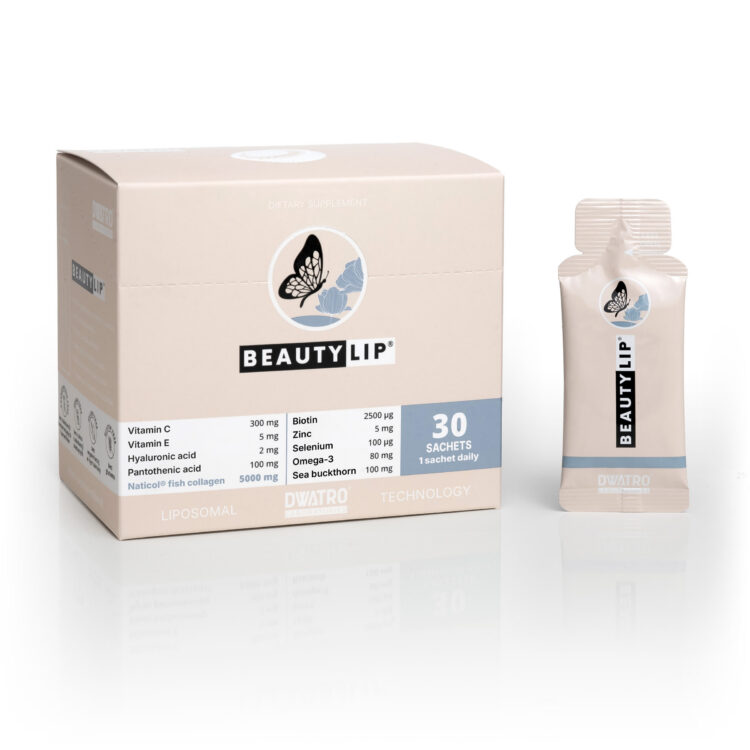
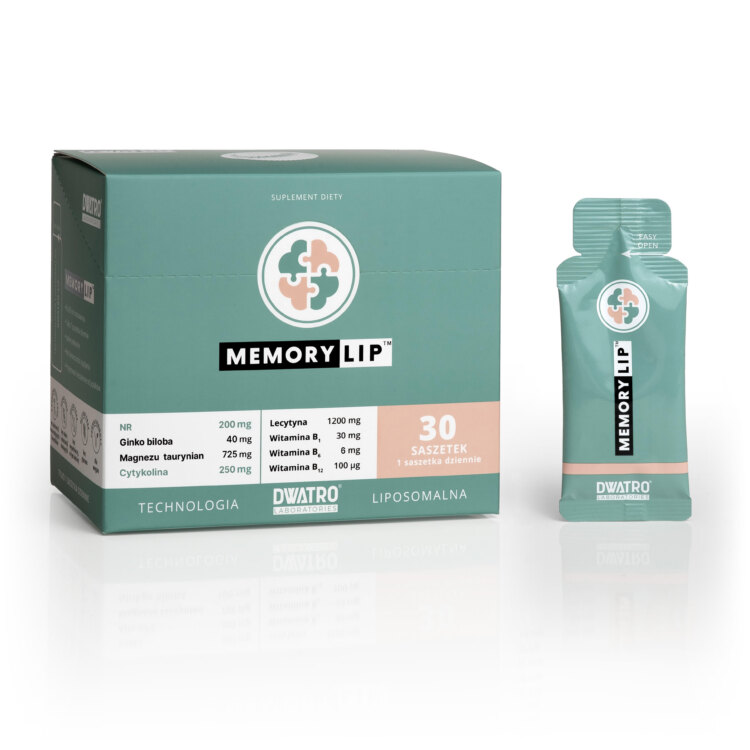
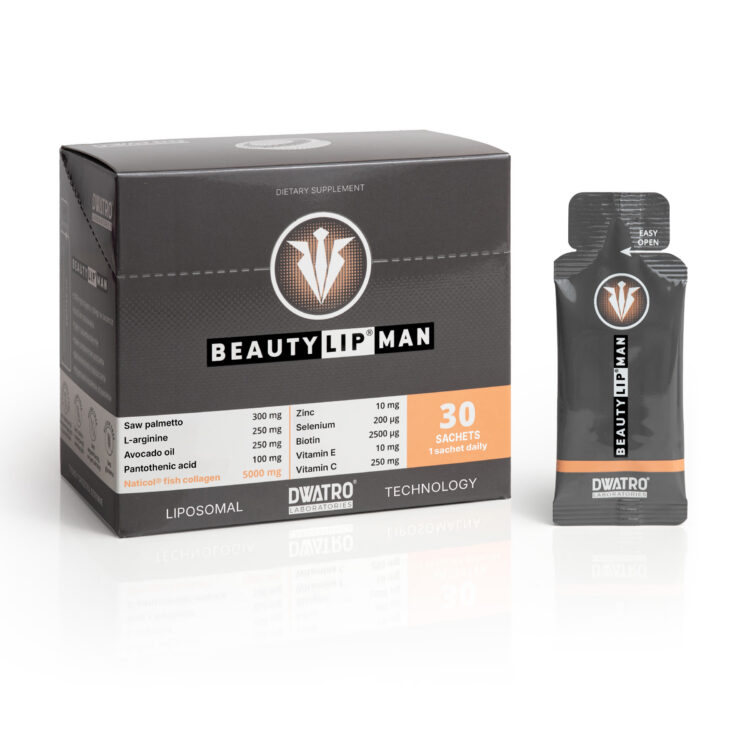
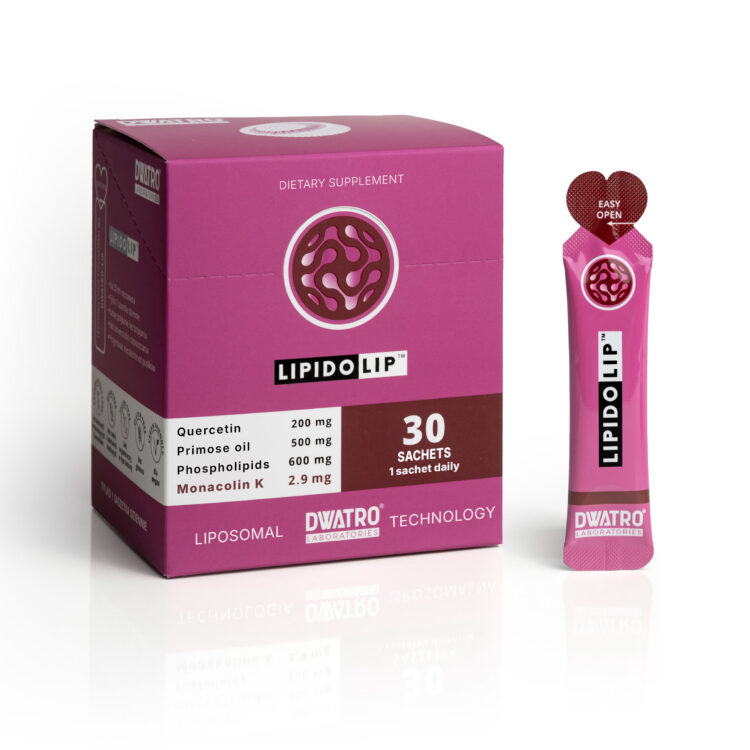
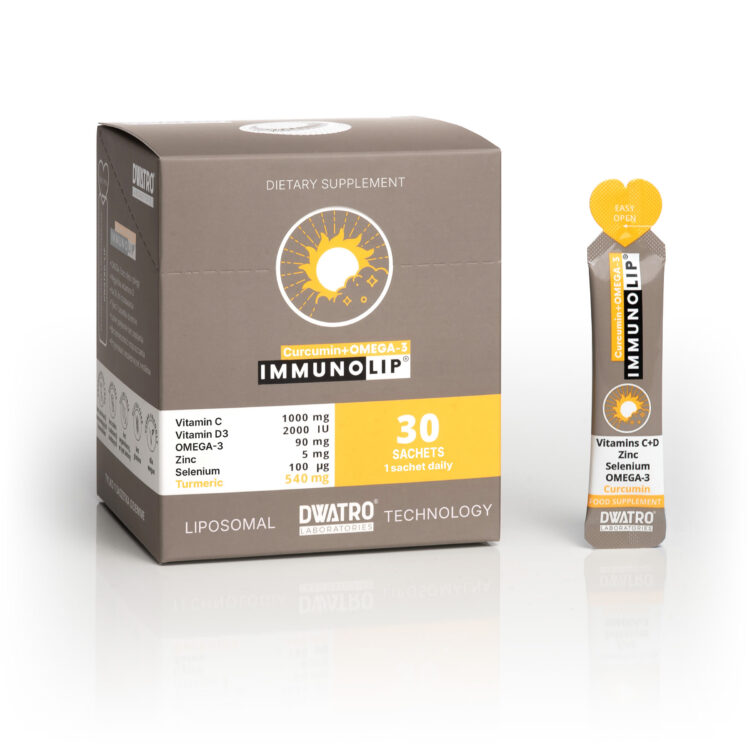
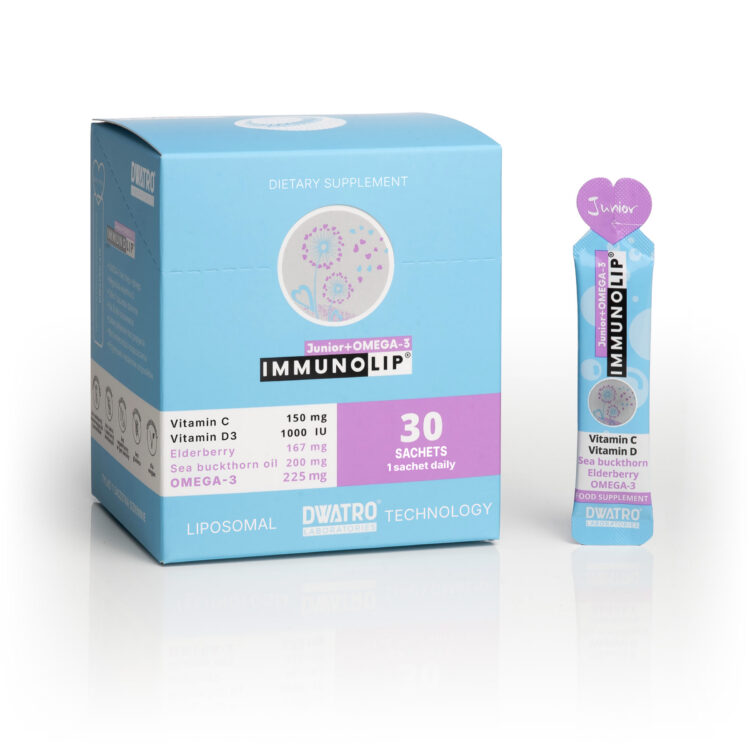
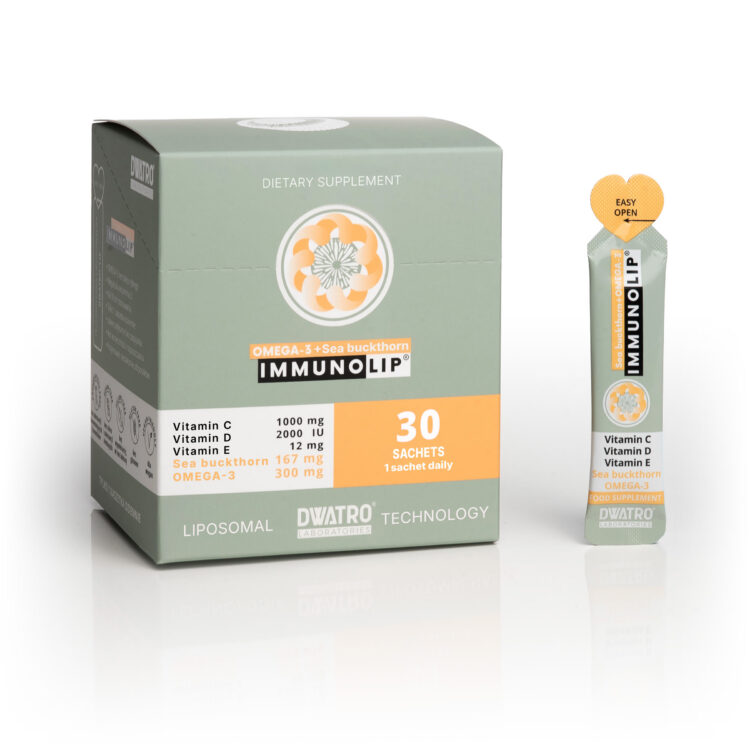
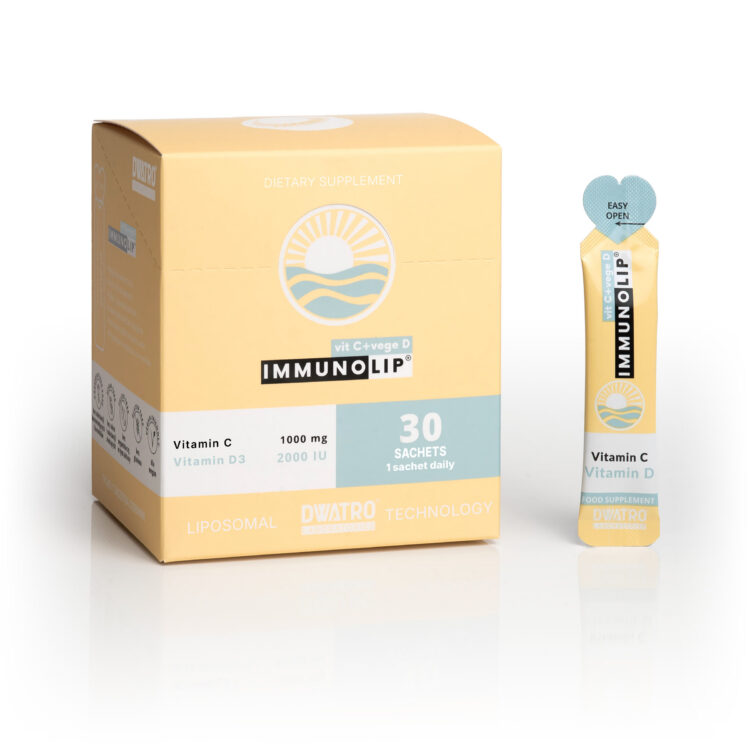
The DWATRO Laboratories brand is developing the concept of supporting the skin from within, which perfectly complements procedures using fillers. Thanks to the DWATRO®LIP technology, ingredients such as vitamin C, collagen, EGCG, zinc and hyaluronic acid are characterised by high bioavailability. DWATRO Laboratories supplements support the regeneration of the skin and improve its density and springiness, which can strengthen and extend the results of aesthetic medicine procedures. It is a holistic approach combining biotechnology, supplementation and aesthetics.
Fillers and the naturalness of the aesthetic effect
One of the most important trends in contemporary aesthetic medicine is the pursuit of natural results. Fillers used in appropriate amounts and at strategic points of the face make it possible to preserve facial expression, individual features and the harmony of proportions. The aim is not to change one's appearance but to refresh it and restore a healthy expression to the face. The naturalness of the effect depends both on the quality of the preparation and on the working philosophy of the specialist.
Summary
Fillers are one of the most important tools of modern aesthetic medicine, making it possible to rebuild volume, improve the contour of the face and regenerate the skin. Their action goes beyond simple filling – they influence the quality of the tissues and stimulate repair processes. The safety, effectiveness and naturalness of the results depend on the quality of the preparations and on a holistic approach to skincare. Combining filler procedures with appropriate supplementation, such as the solutions offered by DWATRO Laboratories and the DWATRO®LIP technology, makes it possible to achieve durable, harmonious and biologically supported results. Today fillers are not only aesthetics but an element of conscious skin regeneration.
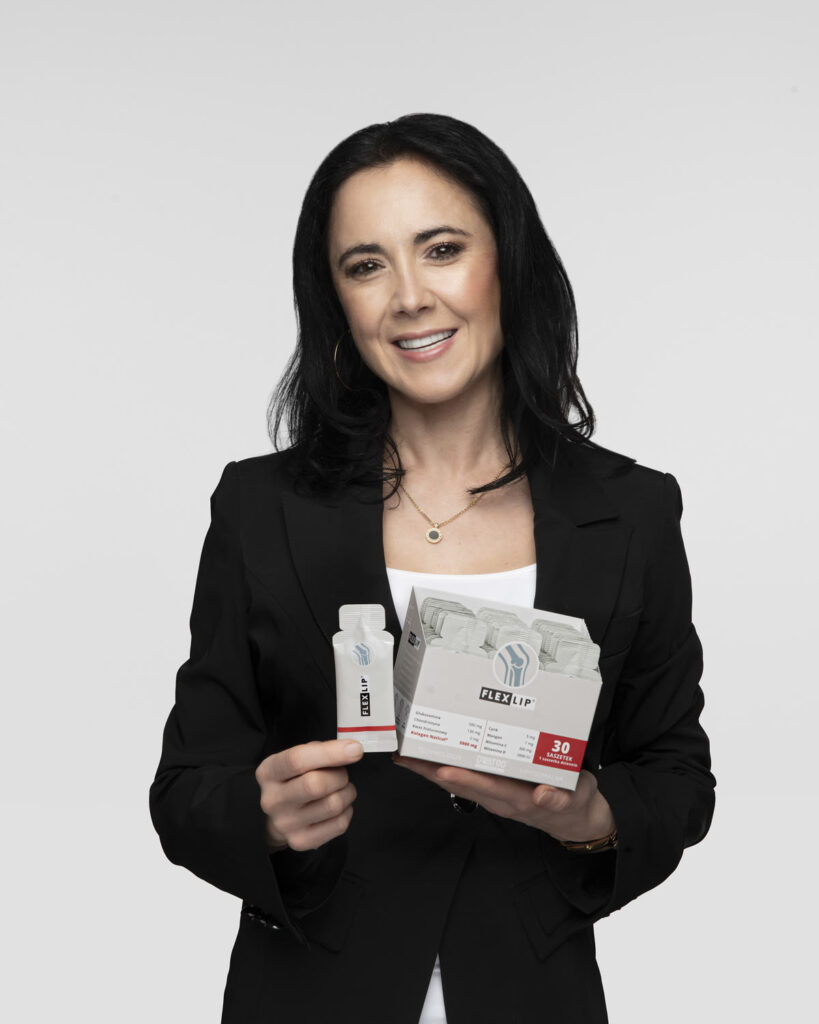
My name is Dorota Wątróbska-Świetlikowska, I am a pharmacist and a scientist holding a habilitated doctorate in pharmaceutical sciences. I decided to combine my scientific knowledge and my experience in order to create dietary supplements of the highest quality.
My passion and main area of research are submicron dispersion systems, such as submicron emulsions, liposomes and lipospheres. After obtaining my doctorate, I turned my attention to the practical aspects of parenteral nutrition, combining the needs of the patient with the possibilities of the pharmacist. What matters most to me is quality, safety and effectiveness , which is visible both in my scientific work and in my approach to creating the supplements of Dwatro Laboratories®.