Zinc – an essential microelement for health and immunity
Zinc – an essential microelement for health and immunity
What zinc is
Zinc is a trace element that plays a key role in the proper functioning of the human body. Although it occurs in small amounts, it is essential for the action of more than 300 enzymes taking part in metabolic processes. It affects immunity, wound healing, cognitive functions and the health of the skin, hair and nails. The body does not store zinc in large amounts, which is why it has to be supplied regularly with the diet or with supplements.
Biological functions of zinc
Zinc takes part in the synthesis of proteins and DNA, supports cell division and regenerative processes. It is essential for the proper work of the immune system – it strengthens the body's defence reactions and helps to fight infections. This element also affects the production of hormones, including testosterone, which is of importance for male fertility. Zinc regulates the secretion of insulin and takes part in carbohydrate metabolism, and moreover it supports the senses of taste and smell. Thanks to its antioxidant properties it protects cells against oxidative stress and against ageing processes.

Symptoms of zinc deficiency
Zinc deficiency can manifest itself in many ways. Typical symptoms are weakened immunity, frequent infections, slowed wound healing, brittle nails and hair loss. Skin problems such as acne or eczema also occur, as well as disturbances of taste and appetite. In men, zinc deficiency leads to a lowering of testosterone levels and to a deterioration in semen quality. In extreme cases it may result in growth inhibition in children and problems with development.
Causes of deficiency
Zinc deficiencies most often arise as a result of an inappropriate diet poor in products rich in this element. People following a vegetarian or vegan diet are particularly at risk, because plant sources of zinc are characterised by lower bioavailability. The risk factors also include diseases of the digestive system that impair absorption, chronic stress, alcohol abuse and intensive physical exertion.
Natural sources of zinc
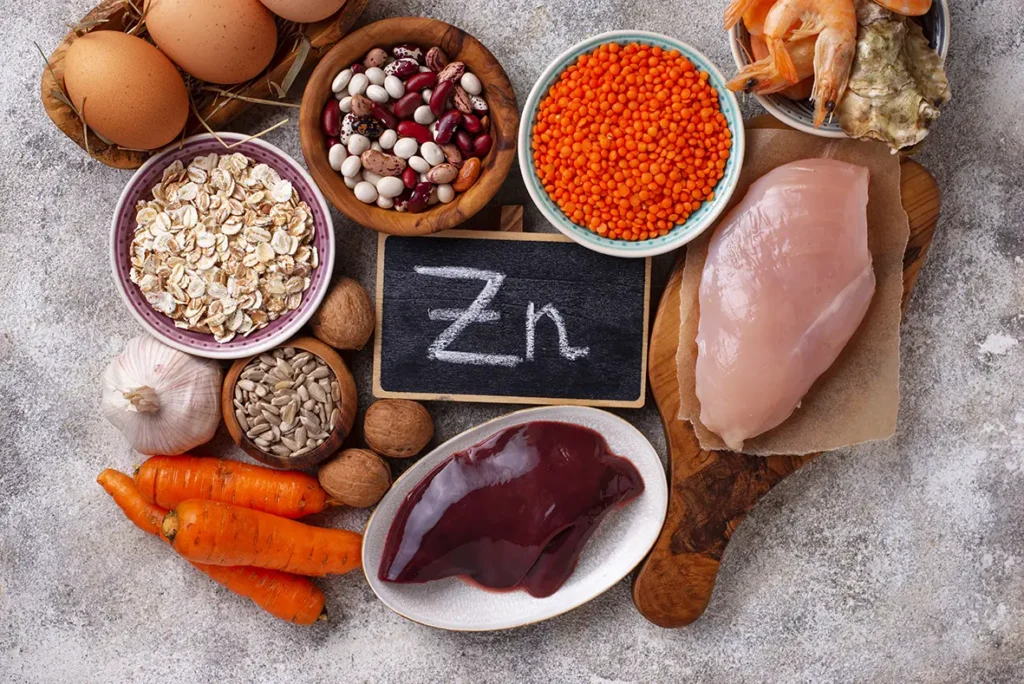
Zinc is found in many food products, but the best sources are foods of animal origin. Oysters, beef, poultry, eggs and cheeses are particularly rich in this element. In a plant-based diet zinc can be found in nuts, pumpkin and sunflower seeds, legumes and whole cereal grains. It has to be remembered, however, that the phytates present in plants limit the absorption of zinc, which is why a plant-based diet should be appropriately balanced.
Zinc supplementation
In the case of an increased requirement or of deficiencies, supplementation is helpful. Zinc is available in many chemical forms, such as gluconate, sulphate, picolinate or citrate. They differ in bioavailability, that is in the degree to which they are absorbed by the body. The most commonly used supplementation doses range from 10 to 30 mg per day, depending on needs. It is important not to exceed the recommended amounts, because an excess of zinc may lead to disturbances in the absorption of copper and iron and to stomach complaints.
Zinc and the immunity of the body
One of the best known actions of zinc is its influence on immunity. Studies show that zinc supplementation may shorten the duration of a cold and alleviate its symptoms. This element supports the production of white blood cells and improves their ability to fight pathogens. That is precisely why zinc often appears in preparations supporting immunity, especially in the autumn and winter period.
Zinc in cosmetology and dermatology
Zinc is of essential importance for the health of the skin. Its deficiency favours the formation of acne and of inflammatory conditions. Preparations with zinc are commonly used in the treatment of dermatological diseases, because they show an anti-inflammatory and antibacterial action and regulate the work of the sebaceous glands. Zinc also supports wound healing and protects against the formation of scars.
Innovative DWATRO Laboratories supplements
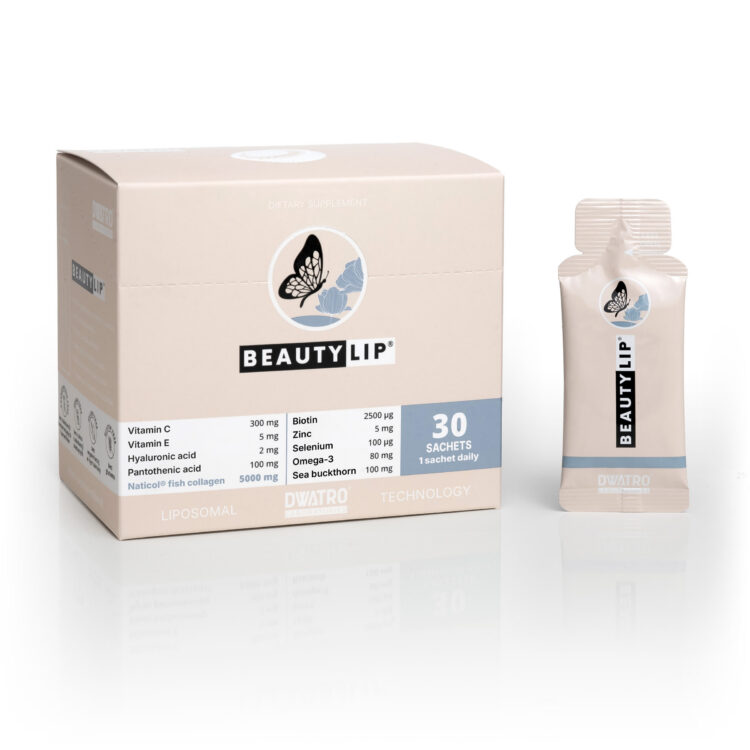
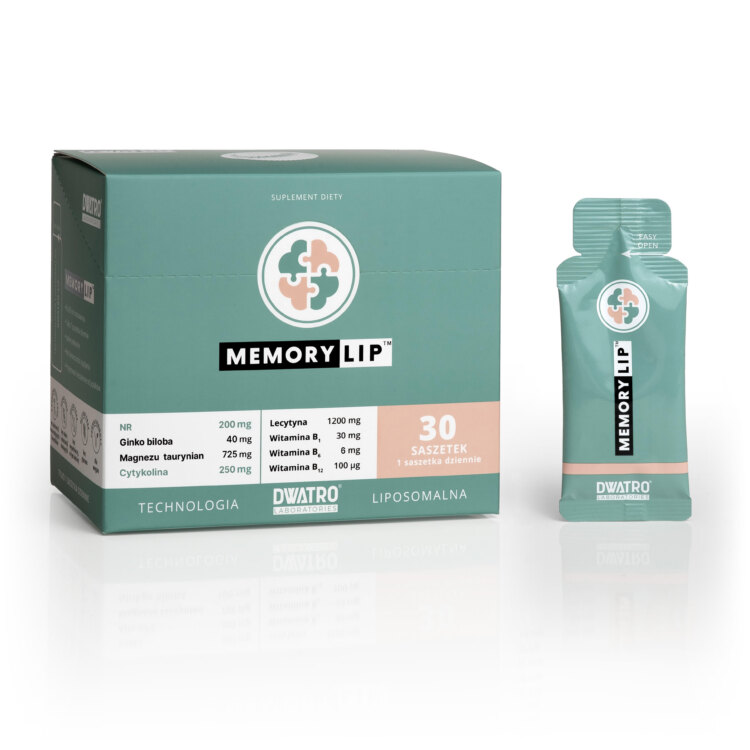
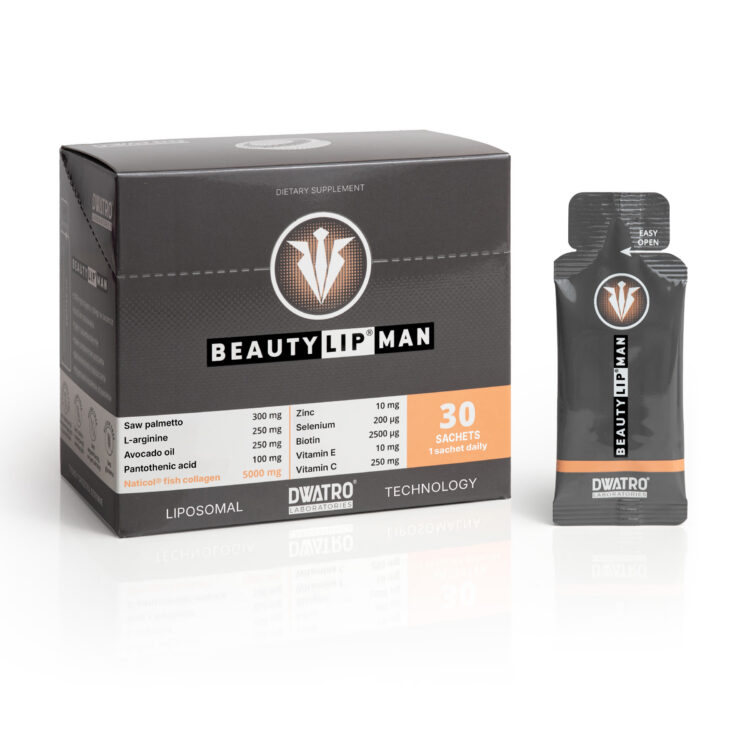
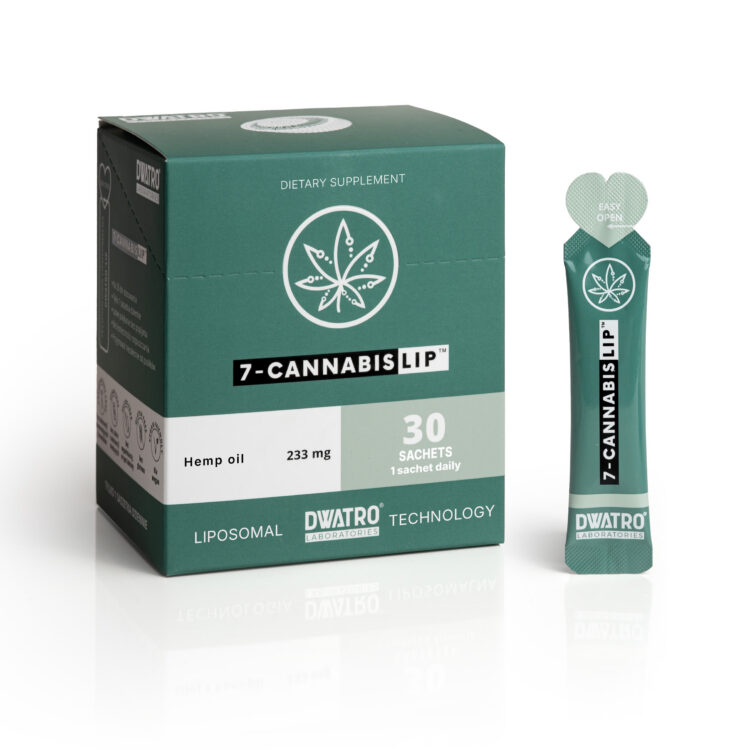
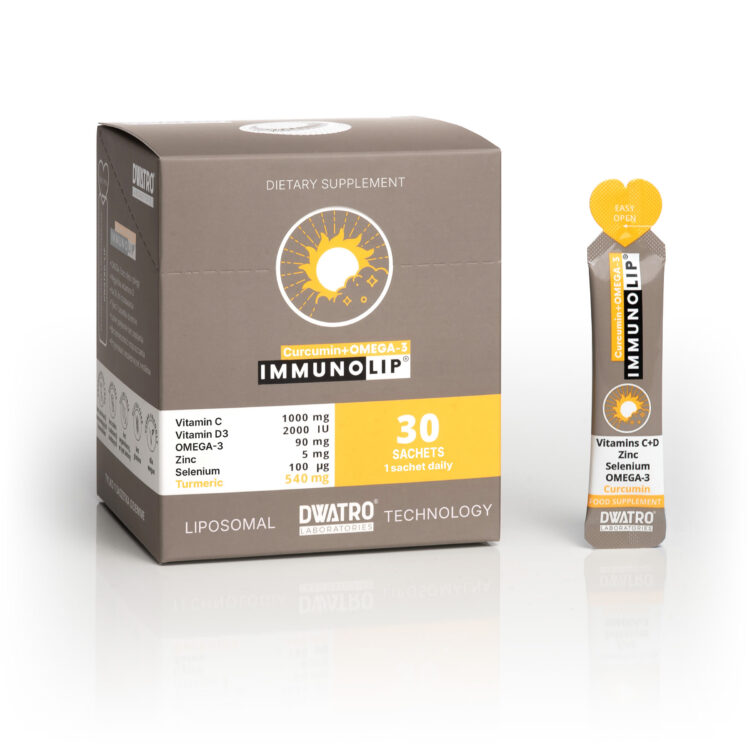
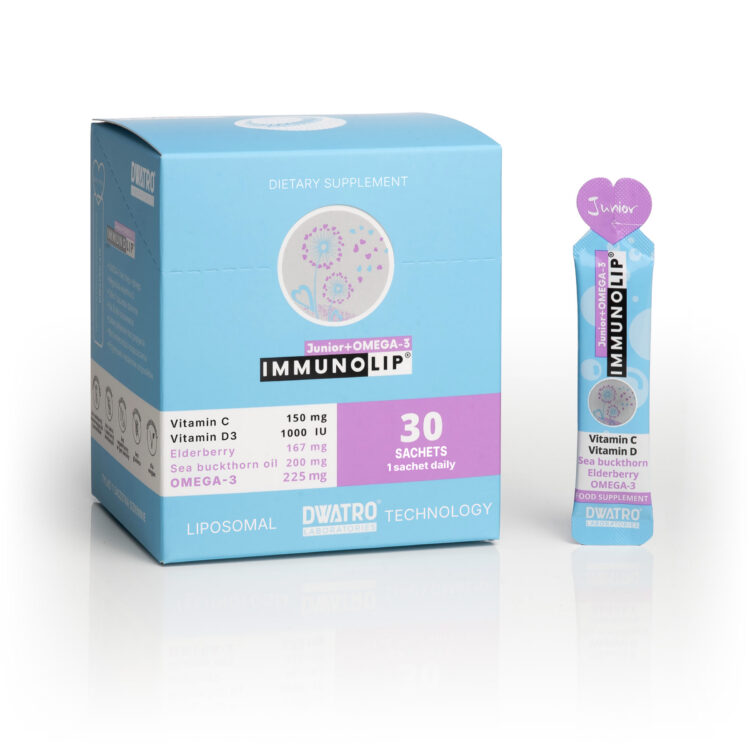
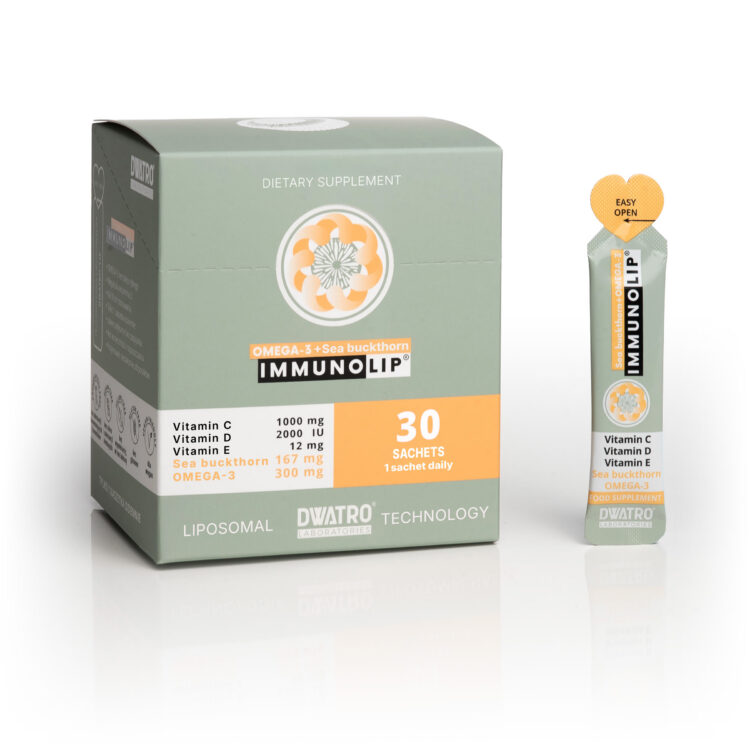
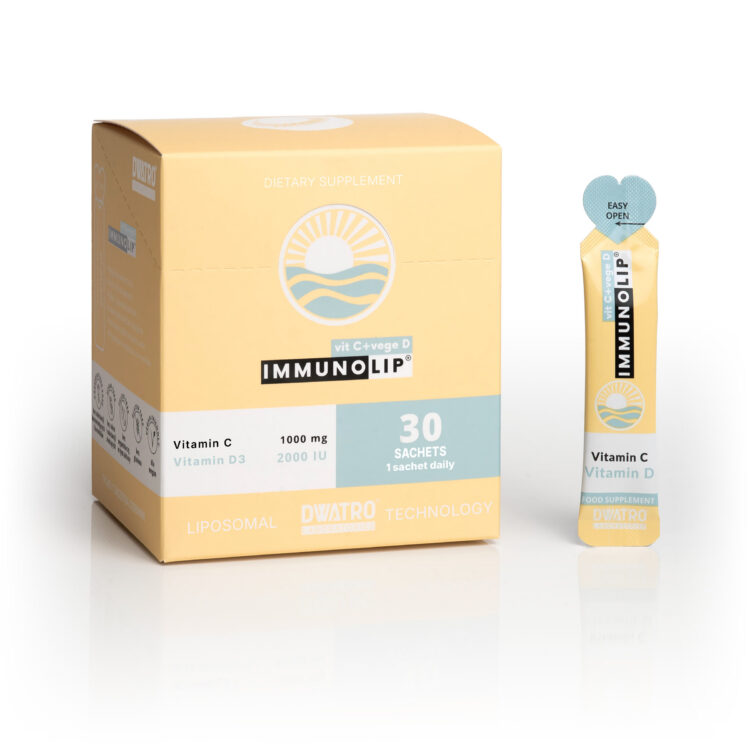
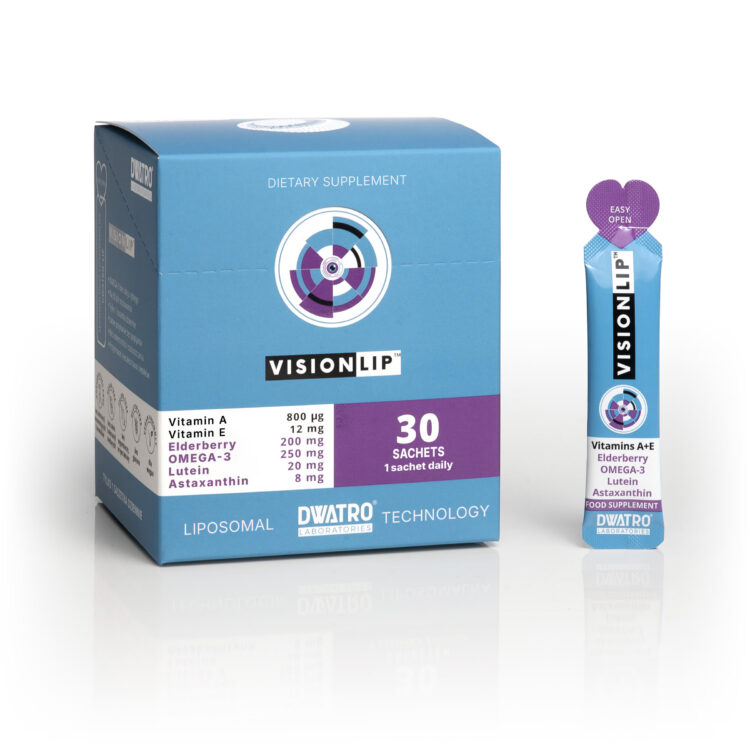
On the supplement market zinc occurs in various forms, but their bioavailability can differ. The DWATRO Laboratories brand offers modern preparations based on liposomal technology, which ensures better absorption and a more effective action. These supplements often combine zinc with vitamin C, selenium and B-group vitamins, which strengthens their effect in supporting immunity and skin health. Such a comprehensive approach makes supplementation more effective and safer.

Summary
Zinc is one of the most important microelements essential for human health. It affects immunity, metabolism, wound healing, the health of the skin and hair, and fertility. Zinc deficiency is connected with numerous health problems, which is why it is worth taking care of an appropriate supply of it from the diet or from supplements. The innovative preparations of DWATRO Laboratories ensure high bioavailability and effective support in maintaining metabolic balance. Zinc is an element whose role goes far beyond basic physiological processes, making it a key element of health prevention and of good well-being.
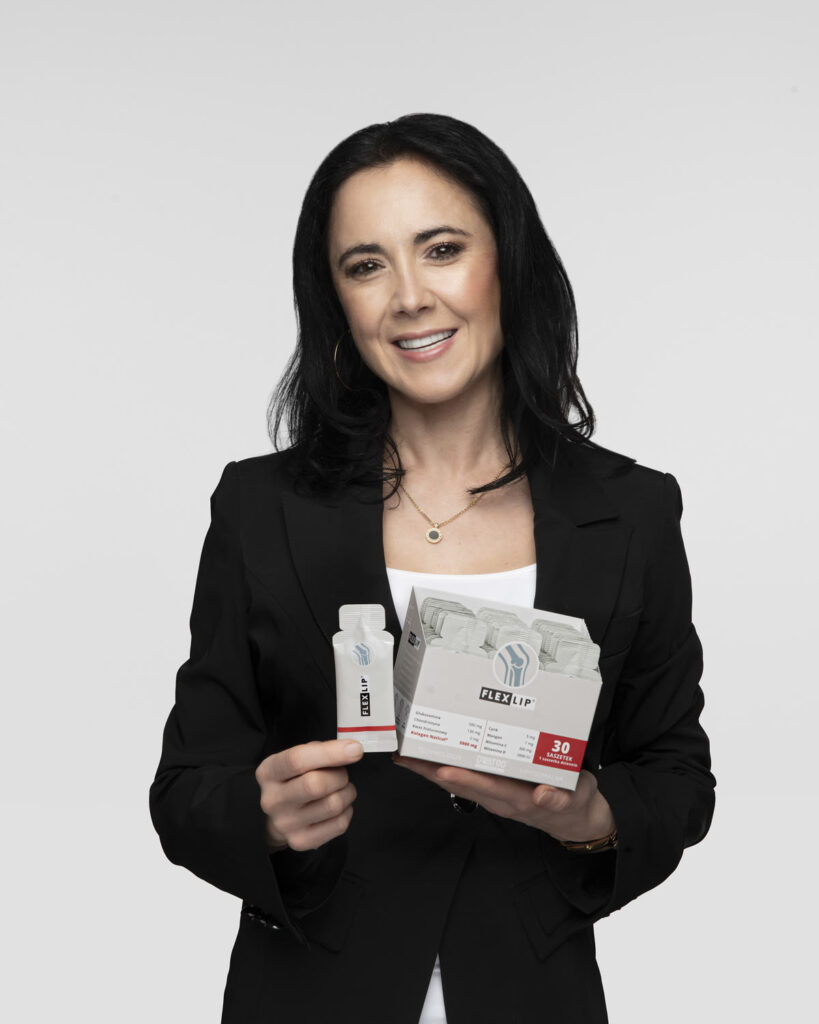
My name is Dorota Wątróbska-Świetlikowska, I am a pharmacist and a scientist holding the degree of habilitated doctor of pharmaceutical sciences. I decided to combine my scientific knowledge and my experience in order to create dietary supplements of the highest quality.
My passion and main area of research are submicron dispersion systems, such as submicron emulsions, liposomes and lipospheres. After obtaining my doctorate, I turned my attention to the practical aspects of parenteral nutrition, combining the needs of the patient with the possibilities of the pharmacist. What matters most to me is quality, safety and effectiveness, which is visible both in my scientific work and in my approach to creating Dwatro Laboratories® supplements.