Elastin – the protein responsible for the firmness, springiness and youthful look of the skin
Elastin – the protein responsible for the firmness, springiness and youthful look of the skin
What elastin is and why it is so important
Elastin is a key structural protein found in connective tissue. It is responsible for the elasticity of the skin, blood vessels, cartilage, ligaments and the tissues of the internal organs. Its exceptional properties result from its characteristic structure – elastin fibres are able to stretch to several times their length and then return to their original shape. It is precisely elastin that allows the skin to retain its firmness and its resistance to gravity. With age the production of elastin falls sharply, and damage to it becomes difficult to reverse, which is why this protein is one of the key elements of anti-ageing therapy.
How elastin is formed and what functions it performs in the body
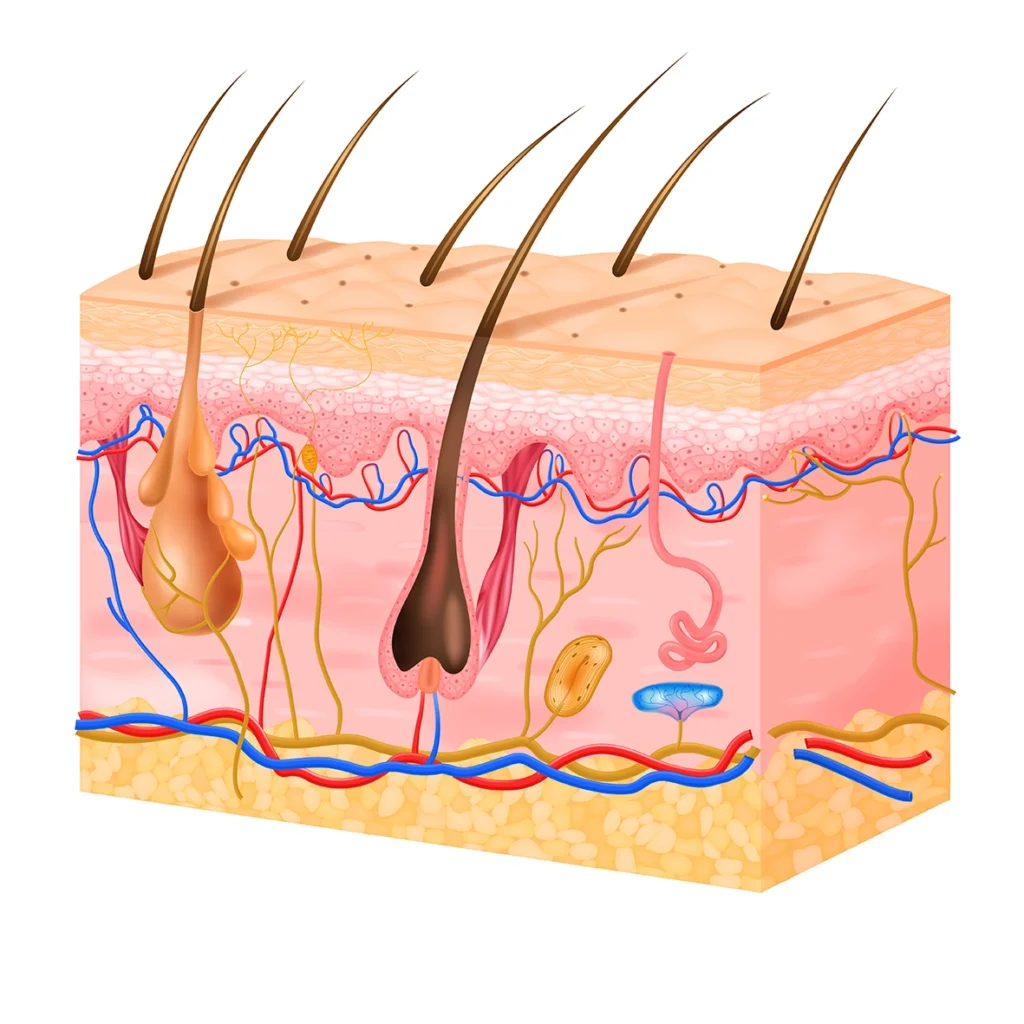
Elastin is formed in fibroblasts – the cells responsible for producing elastic and collagen fibres. Its synthesis begins in foetal life and reaches its maximum in childhood, but after puberty it slows down considerably. In practice this means that the body of an adult produces only small amounts of new elastin, and any damage accumulates over time. Elastin fibres form the scaffolding of the skin, give it springiness, take part in the process of wound healing and support the proper tension of the tissues. Thanks to elastin the skin is able to stretch and contract without permanent deformation.
Elastin production decreases with age
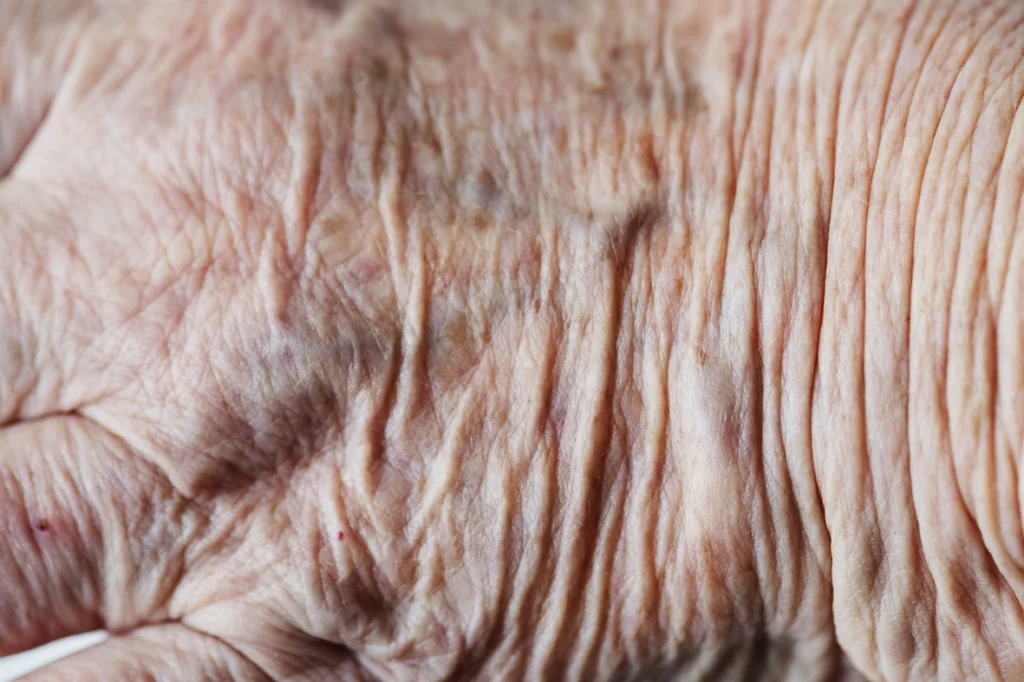
The ageing of the body is associated with the degradation of elastin fibres. UV radiation, free radicals, oxidative stress and deficiencies of nutrients lead to damage to the structure of elastin. This process causes the skin to lose its firmness, becoming thinner, more wrinkled and less resistant to stretching. The phenomenon is natural, but environmental factors can accelerate it considerably. This is why one of the more important aspects of skincare and supplementation is protecting the existing fibres and supporting the cellular environment needed for their regeneration.
Elastin and collagen – the duo responsible for the youth of the skin
Elastin and collagen work together, forming the elastic scaffolding of the skin. Collagen is responsible for its density and strength, while elastin gives springiness and the ability to bounce back after stretching. When the level of elastin falls, collagen is not able on its own to maintain the optimal shape of the skin, which leads to sagging and a deterioration of the facial contour. This is precisely why advanced cosmetic and supplement formulas focus on supporting both of these proteins at the same time.
The effect of elastin on the blood vessels and the internal organs
Elastin plays a key role not only in the skin but also in the circulatory system. Elastic fibres build the walls of the arteries, which must constantly respond to changes in blood pressure. The production of elastin determines their elasticity, and its degradation can lead to vascular stiffness and cardiovascular problems. In the internal organs elastin makes it possible for the tissues to expand and contract smoothly, for example in the lungs during breathing. This means that elastin is not only an aesthetic protein but also a key element of the health of the whole body.
Protecting elastin – what weakens the elastic fibres
The greatest enemy of elastin is UV radiation. Exposure to the sun damages structural proteins, leading to what is known as photoageing. Further risk factors are cigarette smoking, a diet poor in antioxidants and chronic stress. A high concentration of free radicals leads to the breakdown of elastin fibres, and the lack of regeneration means that the skin quickly loses its springiness. Protection against UV, an appropriate diet, antioxidants and a healthy lifestyle are the basis for keeping the skin firm for longer.
Can the level of elastin be increased
Unlike collagen, elastin regenerates very slowly. Rebuilding it is difficult, but possible through the stimulation of fibroblasts and by providing them with a suitable nutritional environment. In skincare, signal peptides, retinoids, vitamin C, plant extracts and also laser technologies are used. Supplementation supports cellular processes by supplying antioxidants, vitamins and amino acids that protect elastin against degradation. Supporting fibroblasts indirectly improves the ability of the skin to maintain its springiness.
Elastin and dietary supplements – the importance of modern technologies
Although elastin itself is not easily absorbed orally, supplements can support the environment in which the elastic fibres are formed and work. Vitamins A, C and E, zinc, copper, bioflavonoids and polyphenols support protection against free radicals. Modern technologies such as liposomes or phospholipid dispersions make it possible to deliver these ingredients to the cells more effectively. This facilitates the protection of the existing elastin fibres and supports repair processes.
Advanced DWATRO Laboratories formulas supporting the health of elastin
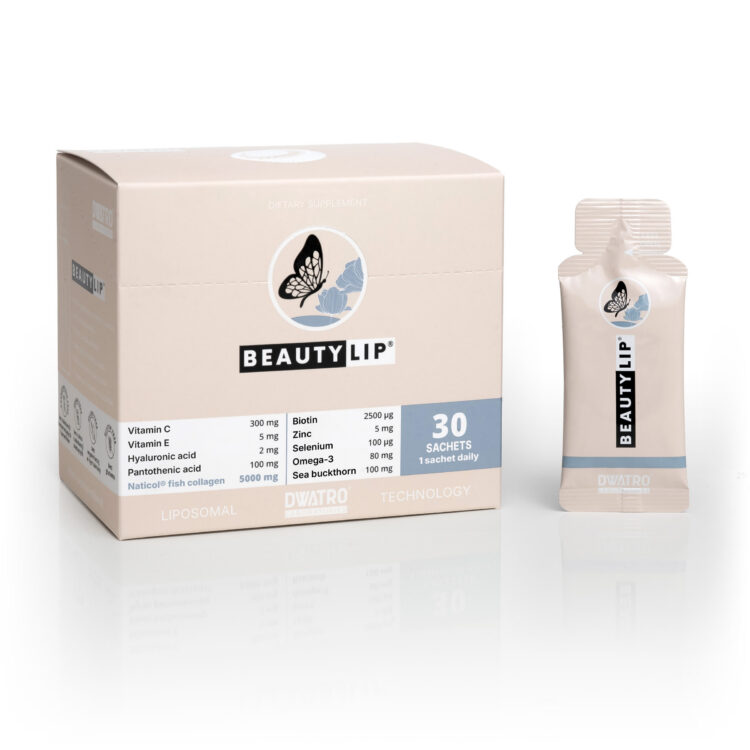
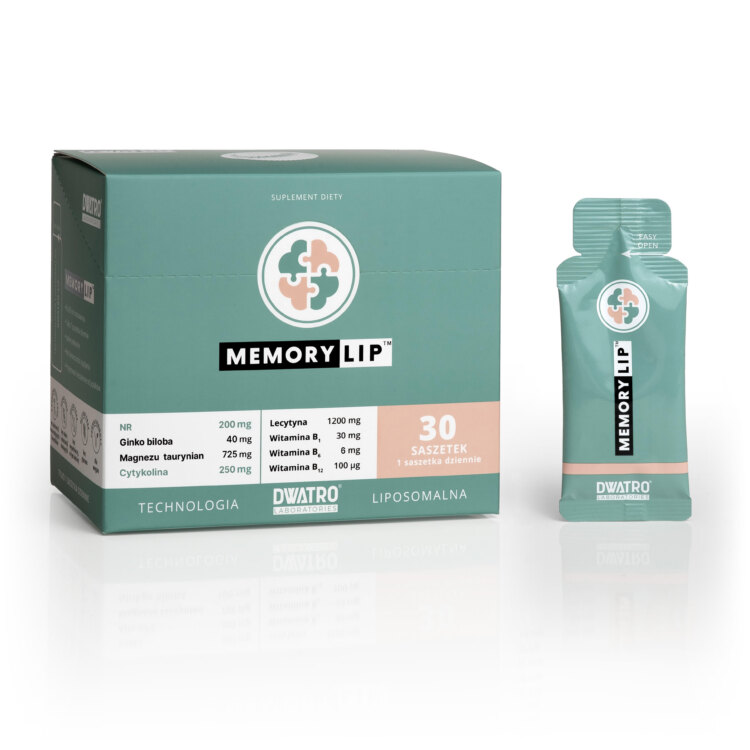
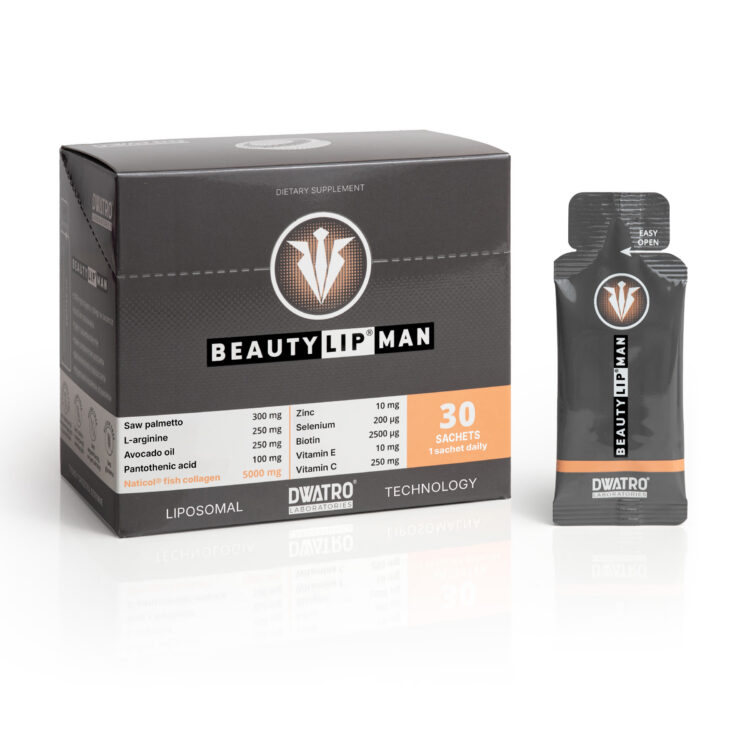
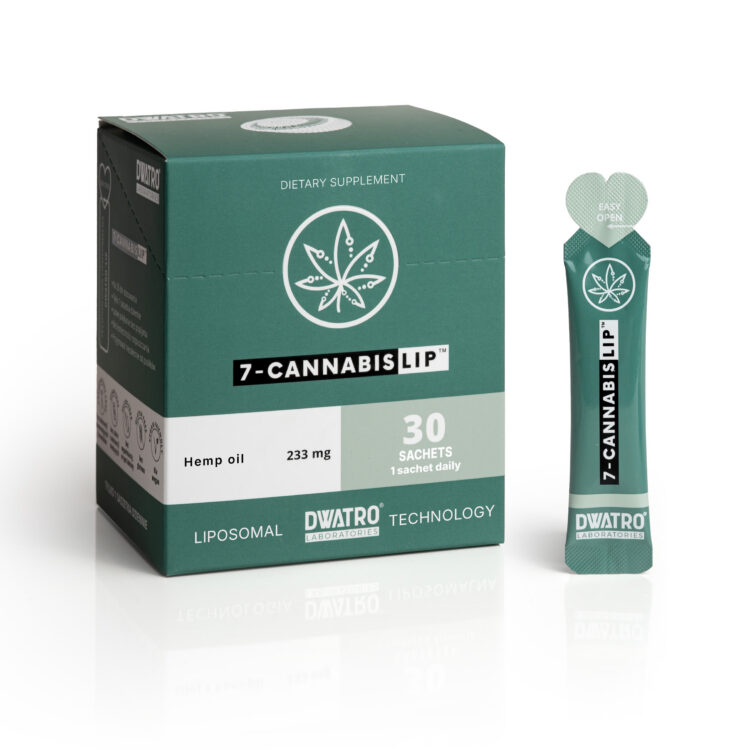
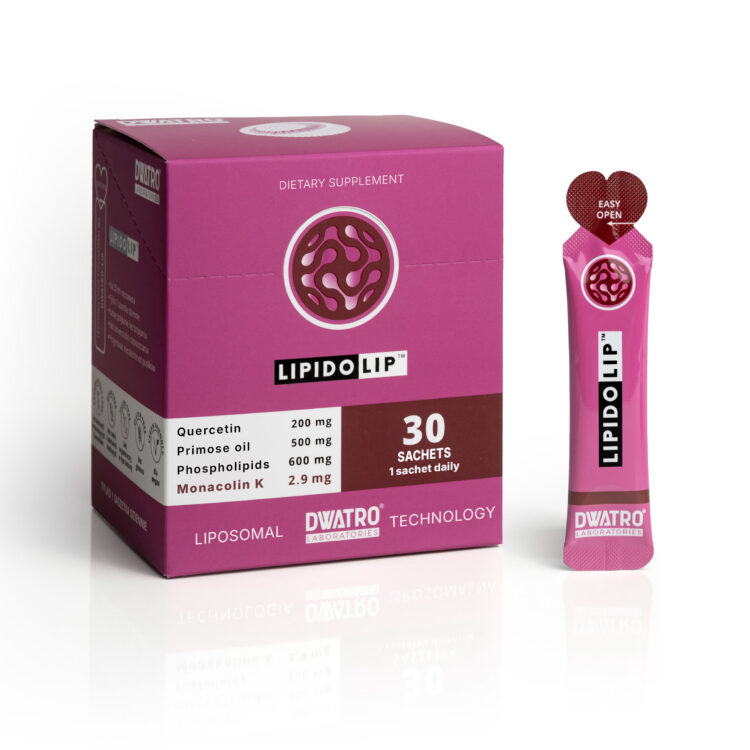
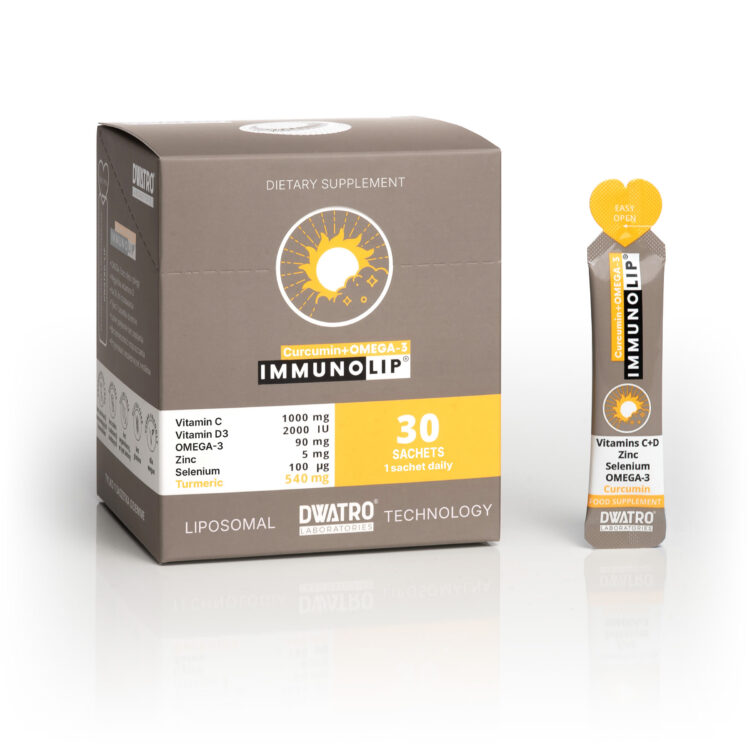
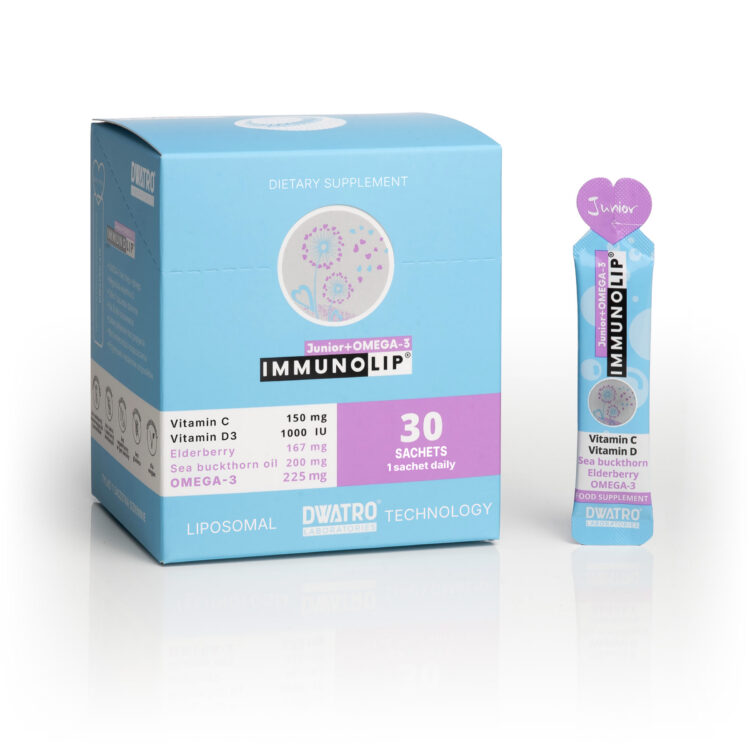
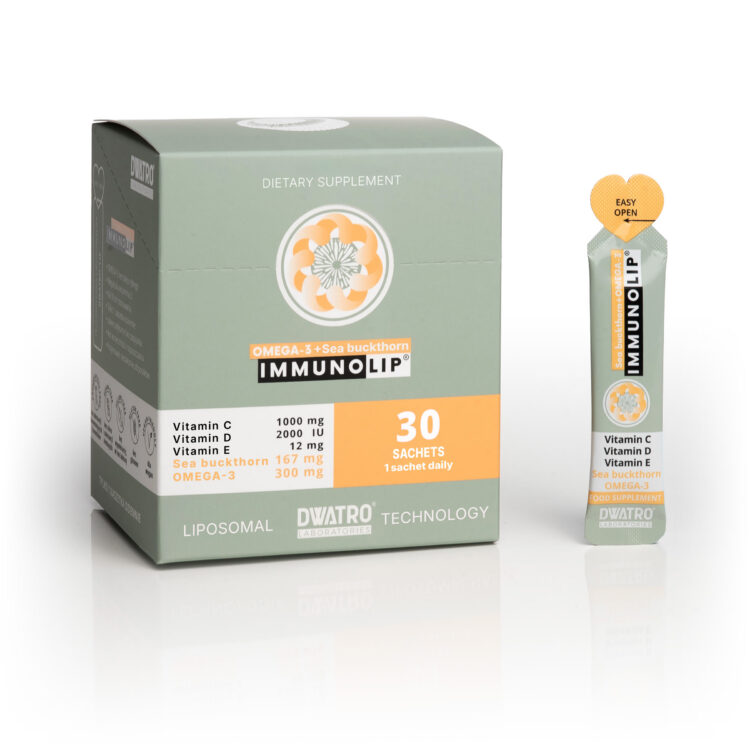
The DWATRO Laboratories brand develops supplements and dermo-supplements that support the condition of the skin by delivering ingredients that are key for fibroblasts. The DWATRO®LIP technology guarantees better bioavailability of vitamins, polyphenols, coenzymes and amino acids, which translates into a more effective action at the cellular level. DWATRO Laboratories formulas contain substances that support the production of collagen and the protection of elastin, such as vitamin C from acerola, EGCG, coenzyme Q10, zinc and hyaluronic acid. Thanks to this the supplements act in many directions – they protect the elastic fibres, strengthen the skin and support the natural regeneration of tissues.
The role of elastin in the regeneration and healing of tissues
Elastin plays an important role in the body's repair processes. Elastic fibres take part in the healing of wounds, allowing the skin to return to its natural structure after damage. During regeneration, fibroblasts produce elastin and tropoelastin, which become part of the tissue being rebuilt. Thanks to this the skin regains its elasticity and scars become less visible. Regenerative processes, however, depend to a large extent on age, the condition of the skin and the availability of nutrients, which is why appropriate supplementation, hydration and sun protection are of key importance for maintaining the efficiency of the elastin fibres.

Summary
Elastin is one of the key proteins responsible for a youthful appearance and for the efficiency of tissues. Its ability to stretch and return to its original shape makes it irreplaceable in the skin, the blood vessels and the internal organs. With age and under the influence of environmental factors its amount falls, which leads to a loss of elasticity and to sagging. Protecting elastin, supporting fibroblasts and supplying antioxidant ingredients are the basic elements of anti-ageing prevention. Modern technologies, such as the liposomal formulas of DWATRO Laboratories, make it possible to support regenerative and protective processes more effectively, helping to keep the skin springy and youthful-looking for longer.
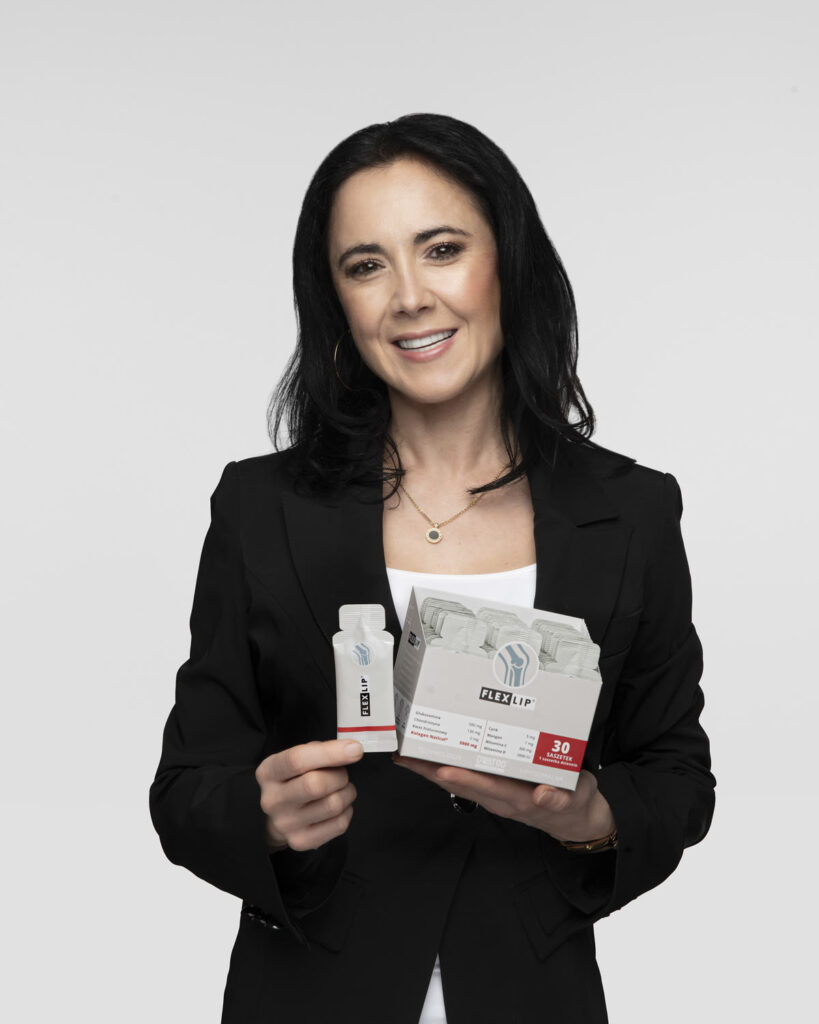
My name is Dorota Wątróbska-Świetlikowska, I am a pharmacist and a scientist holding a habilitated doctorate in pharmaceutical sciences. I decided to combine my scientific knowledge and my experience in order to create dietary supplements of the highest quality.
My passion and main area of research are submicron dispersion systems, such as submicron emulsions, liposomes and lipospheres. After obtaining my doctorate, I turned my attention to the practical aspects of parenteral nutrition, combining the needs of the patient with the possibilities of the pharmacist. What matters most to me is quality, safety and effectiveness , which is visible both in my scientific work and in my approach to creating the supplements of Dwatro Laboratories®.