Melanoma – a skin cancer that must not be taken lightly
Melanoma – a skin cancer that must not be taken lightly
What melanoma is
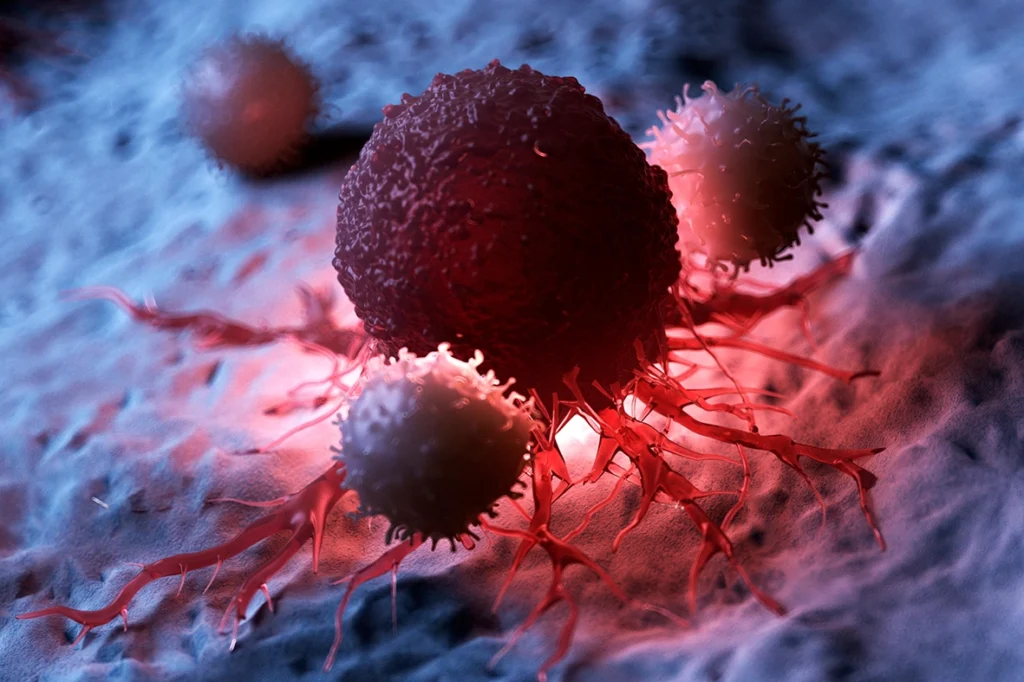
Melanoma is a malignant tumour originating from melanocytes, that is from the pigment cells of the skin responsible for the production of melanin. Although it accounts for only a few per cent of all skin cancers, it is one of the most dangerous because of its rapid rate of growth and its tendency to form metastases. Melanoma may develop on healthy skin or within existing pigmented naevi. The early recognition and removal of the lesion gives a high chance of a complete cure, but neglecting diagnosis significantly worsens the prognosis.
Causes and risk factors
The most important risk factor for the development of melanoma is excessive exposure to ultraviolet radiation, both natural and artificial. Frequent sunburn, especially in childhood, significantly increases the risk of the tumour occurring. Other factors include a fair complexion, a large number of naevi, genetic predispositions, a weakening of the immune system and the use of tanning beds. The risk also increases in people who have had melanoma in the past or who have it in the family.
Symptoms and the first warning signals
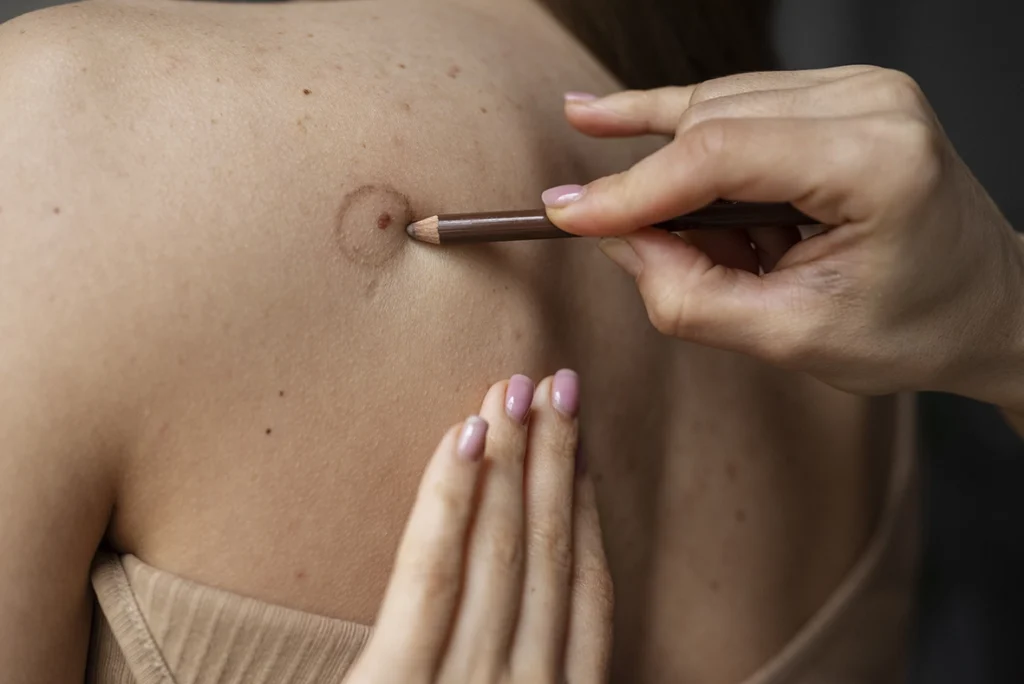
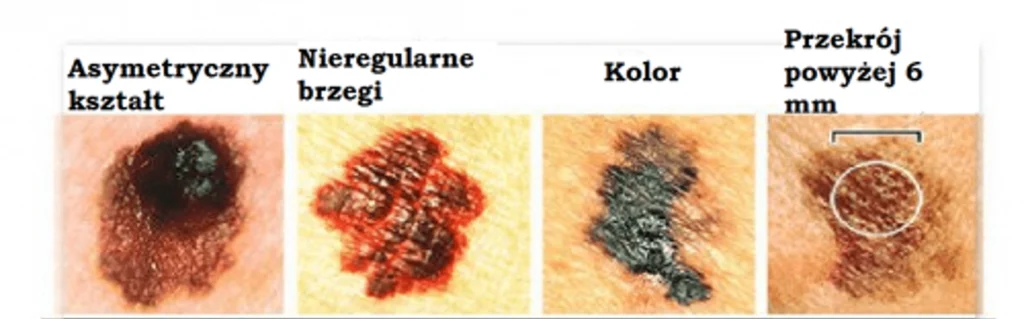
Melanoma most often develops on the skin, but it may also occur in the mucous membranes of the mouth, in the genital organs and even in the eye. A characteristic symptom is a change in the appearance of an existing naevus – of its shape, colour or size. The appearance of irregular edges, of asymmetry, of uneven pigmentation or of an enlargement of the lesion is an alarm signal. Naevi may also itch, bleed or flake. In diagnosis the ABCDE rule is used, where A stands for asymmetry, B – uneven borders, C – changes of colour, D – a diameter above 6 mm, and E – evolution, that is changes visible over time.
Diagnosis and examinations
Early diagnosis is of key importance in the detection of melanoma. The basic examination is dermatoscopy, that is the non-invasive analysis of naevi using a special optical device. If a tumour is suspected, the dermatologist refers the patient for excision of the lesion and for histopathological examination, which finally confirms the diagnosis. In advanced cases additional imaging examinations are performed, such as ultrasound of the lymph nodes, computed tomography or magnetic resonance imaging, in order to assess any metastases.

Treatment of melanoma
The basic method of treating melanoma is the surgical removal of the lesion together with a margin of healthy tissue. Early excision gives the greatest chances of a cure. In more advanced stages complementary treatment is used, such as immunotherapy, radiotherapy or targeted therapy. Immunotherapy makes use of the ability of the immune system to recognise and destroy cancer cells. New-generation drugs, such as checkpoint inhibitors, have significantly improved the treatment results of patients with metastatic melanoma.
Prognosis and prognostic factors
The prognosis in melanoma depends on the stage of advancement of the disease at the moment of diagnosis. The shallower the lesions and the earlier they are detected, the greater the chance of a cure. The five-year survival rate in the case of melanoma detected at an early stage exceeds 90%, whereas in advanced stages it falls below 20%. Regular dermatological check-ups and a quick reaction to any worrying changes are therefore of key importance.
Prevention and protection of the skin
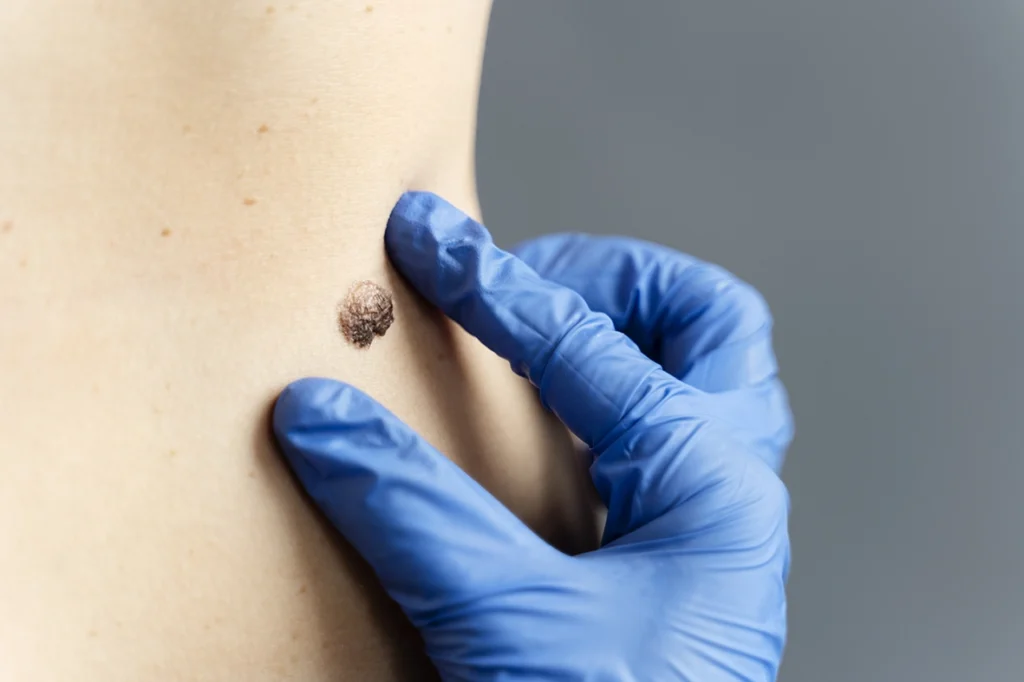
The most effective method of preventing melanoma is protecting the skin against excessive UV radiation. It is recommended to avoid sunbathing during the hours of greatest sunshine, to use creams with a high SPF filter and to wear headgear and protective clothing. The use of tanning beds, which emit strong UVA radiation that accelerates neoplastic processes, should also be avoided. Self-examination of the skin is equally important – regularly observing naevi and reporting to a dermatologist immediately in the case of any suspicions.
Supporting the body and the role of supplementation
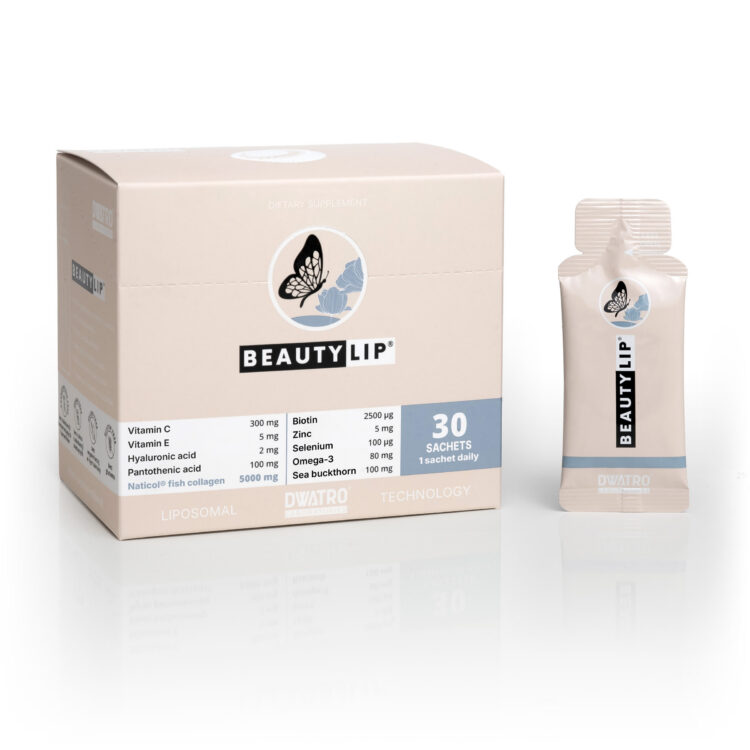
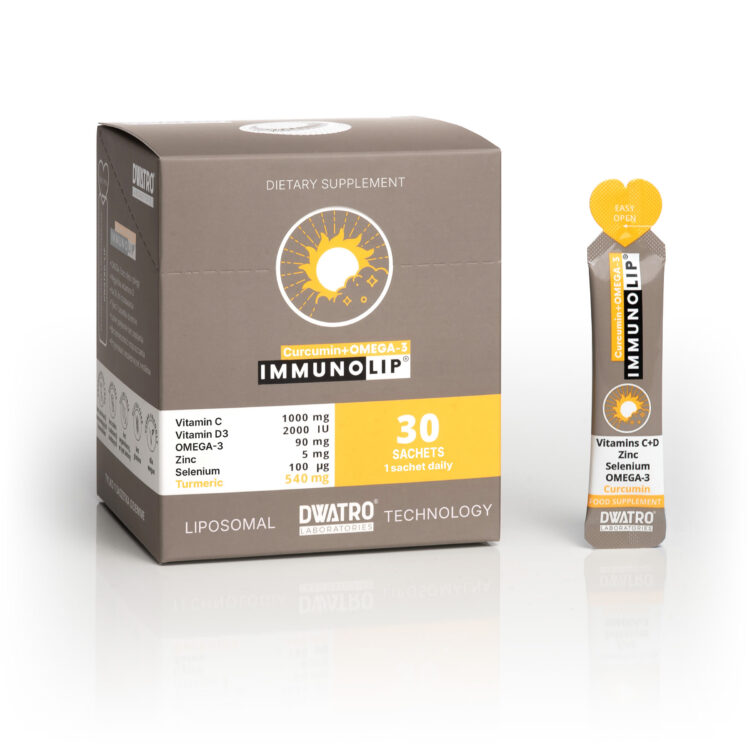
Although dietary supplements cannot prevent melanoma, appropriate supplementation supporting the immune system and cellular protection may constitute an important complement to prevention. Antioxidants such as vitamin C, vitamin E, selenium and zinc help to neutralise the free radicals responsible for damage to DNA. The DWATRO Laboratories brand offers modern supplements in liposomal technology, which increase the bioavailability of the ingredients and support the natural defence mechanisms of the body. These preparations may support the regeneration of cells, improve immunity and support detoxification processes.
The importance of preventive examinations
Regular dermatological examinations are the basis of the early detection of melanoma. People with a large number of naevi or with genetic predispositions should have dermatoscopy performed at least once a year. It is worth documenting the appearance of naevi in order to make it easier to catch changes over time. The early detection of melanoma allows for effective treatment and a complete cure, which is why prevention is of key importance for public health.
Summary
Melanoma is a highly malignant skin cancer that can develop rapidly and form metastases, but when detected early it is fully curable. Protection of the skin against UV radiation, regular dermatological examinations and awareness of one's own body are of key importance. Supporting the body through a healthy diet, avoiding stimulants and using antioxidants may additionally increase cellular resistance. The innovative DWATRO Laboratories supplements, based on liposomal technology, support the natural processes of regeneration and constitute a valuable element of health prevention. Melanoma is a disease that can be prevented – all it takes is vigilance, regular check-ups and a responsible approach to skin care.
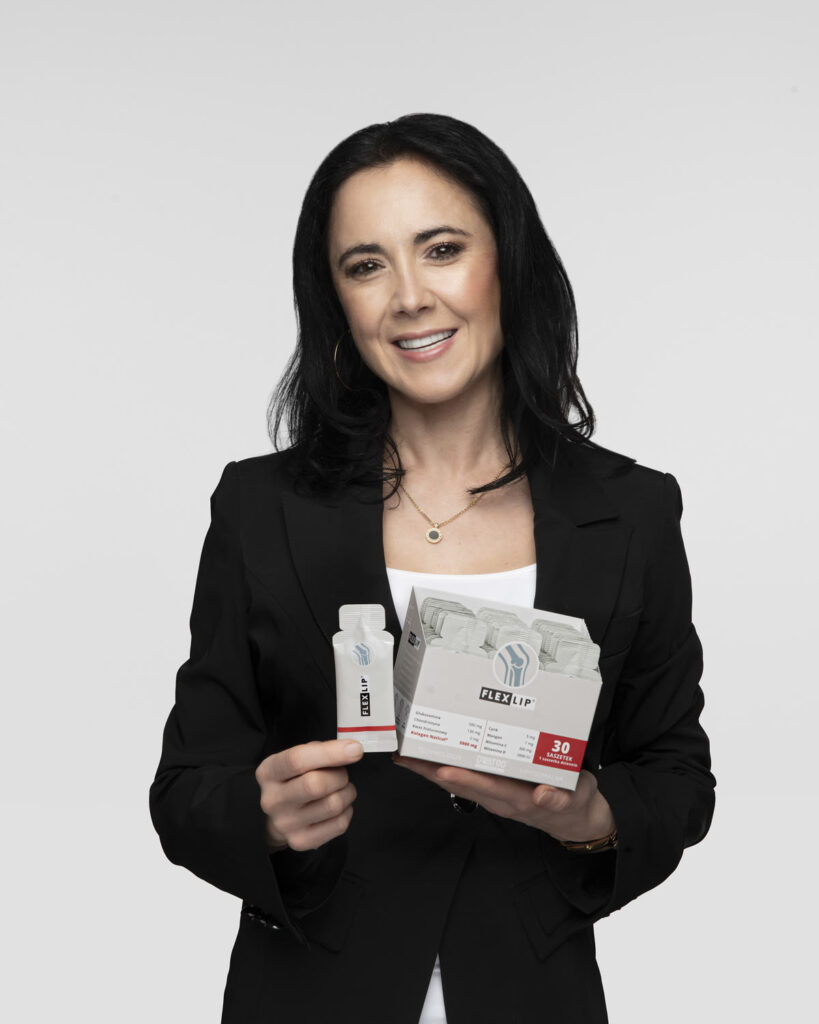
My name is Dorota Wątróbska-Świetlikowska, I am a pharmacist and a scientist holding the degree of habilitated doctor of pharmaceutical sciences. I decided to combine my scientific knowledge and my experience in order to create dietary supplements of the highest quality.
My passion and main area of research are submicron dispersion systems, such as submicron emulsions, liposomes and lipospheres. After obtaining my doctorate, I turned my attention to the practical aspects of parenteral nutrition, combining the needs of the patient with the possibilities of the pharmacist. What matters most to me is quality, safety and effectiveness, which is visible both in my scientific work and in my approach to creating Dwatro Laboratories® supplements.