Astaxanthin – definition, properties and applications

Astaxanthin – definition, properties and applications
What is astaxanthin?
Astaxanthin is a natural pigment from the carotenoid group, which gives a characteristic red or pink colour to many aquatic organisms, such as salmon, shrimp, crabs and flamingos. It is a lipophilic compound, that is, fat-soluble, which affects its bioavailability and the way it acts in the human body. It occurs mainly in the microalgae Haematococcus pluvialis, which are the richest source of this compound. Because of its strong antioxidant properties, astaxanthin has attracted enormous interest in supplementation, dietetics and preventive medicine.
Biological properties of astaxanthin
Astaxanthin is characterised by an exceptionally strong antioxidant action, considerably exceeding the action of vitamin C, vitamin E or coenzyme Q10. It neutralises free radicals, protecting cells against oxidative stress, which is of great importance in the prevention of lifestyle diseases. Thanks to its chemical structure it is able to cross the blood–brain barrier and the barrier of the retina of the eye, which makes it particularly important for the health of the nervous system and of eyesight.
Astaxanthin and eye health
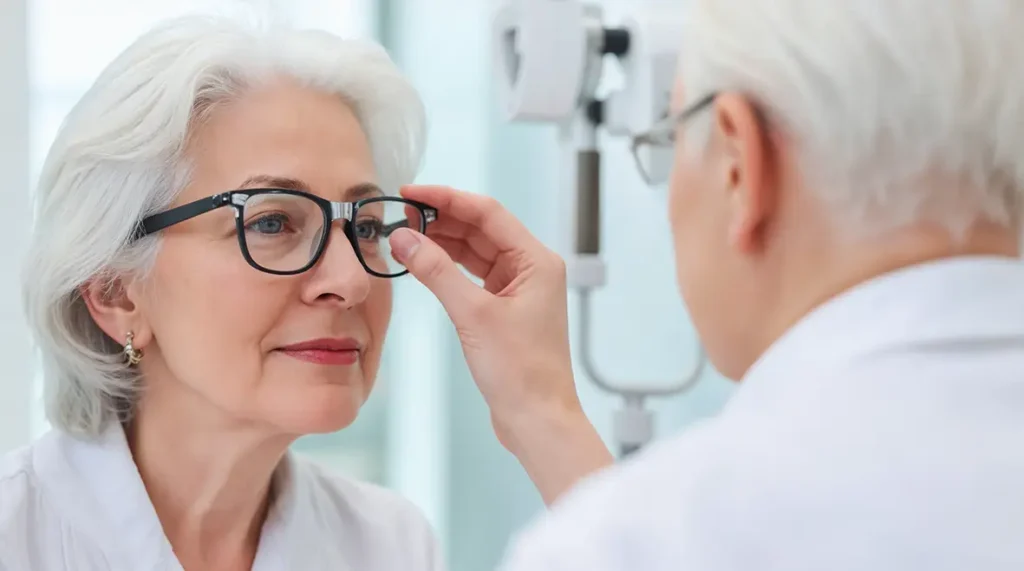
One of the most frequently described applications of astaxanthin is the protection of the organ of vision. Studies indicate that regular supplementation may reduce the symptoms of eye fatigue, improve visual acuity and support protection against macular degeneration. Its ability to neutralise free radicals and to protect the blood vessels in the retina is crucial in the context of the prevention of age-related eye diseases.
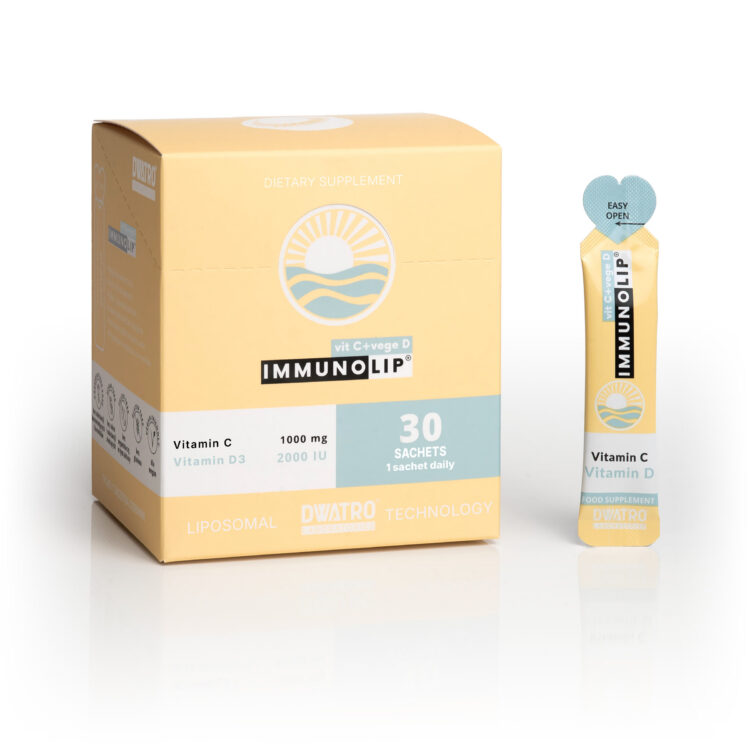
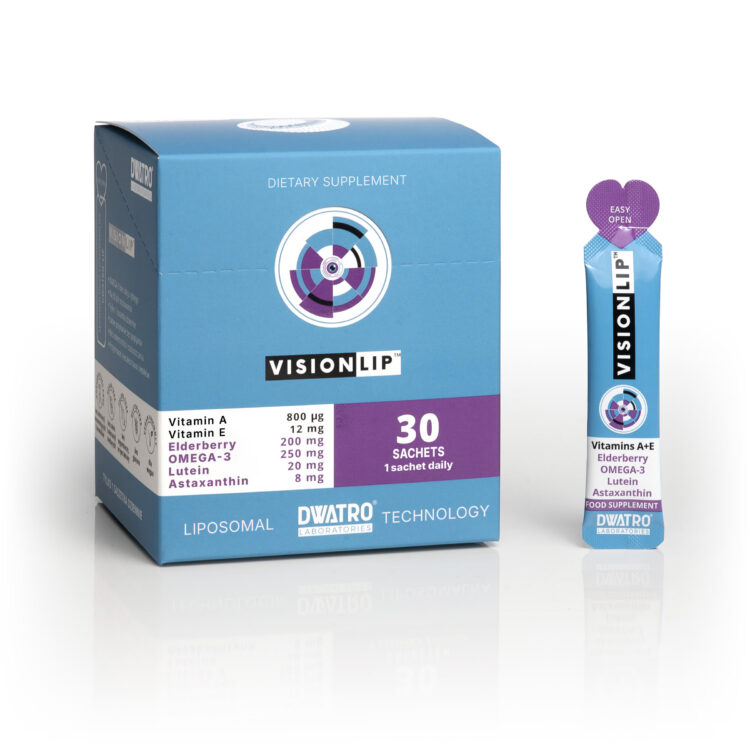
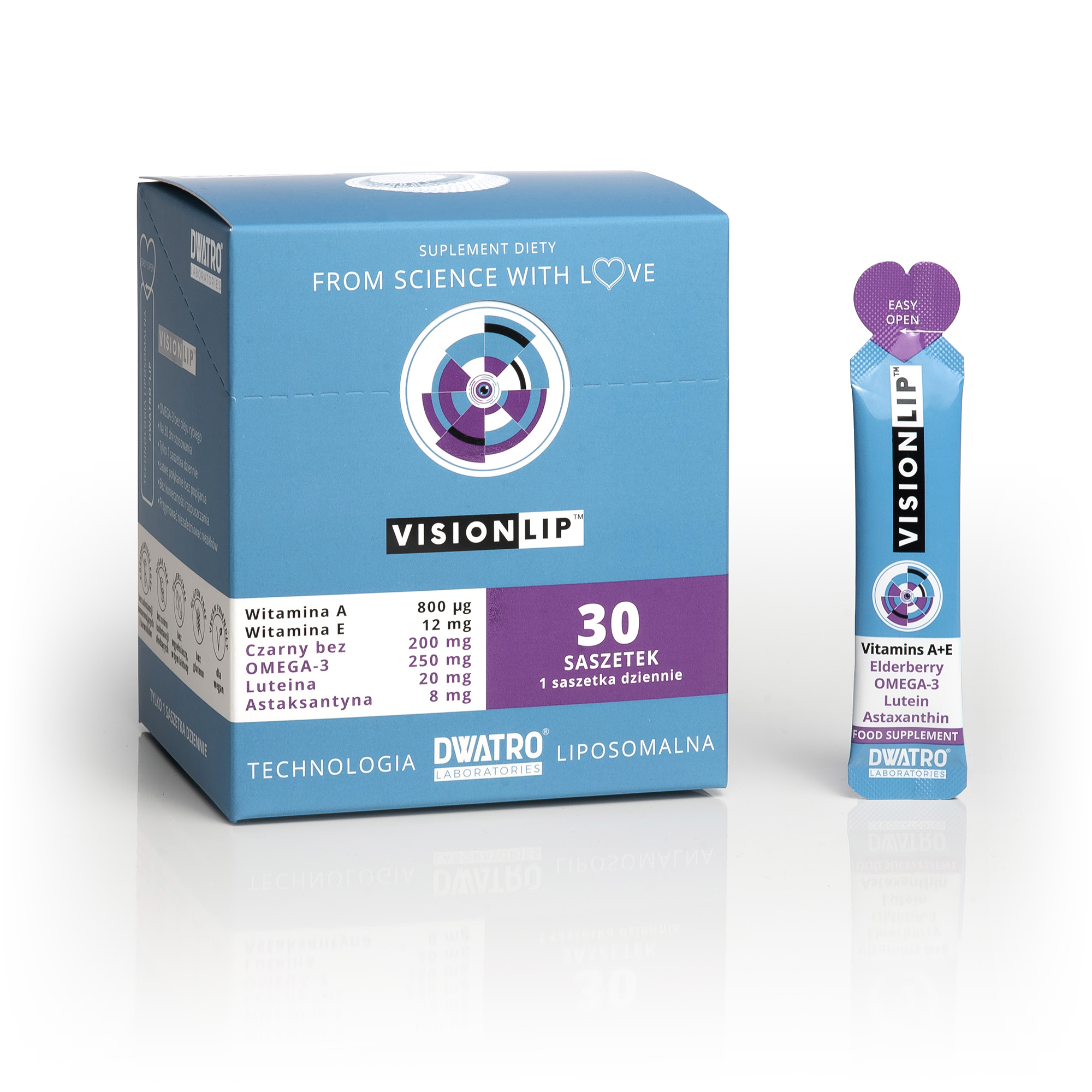
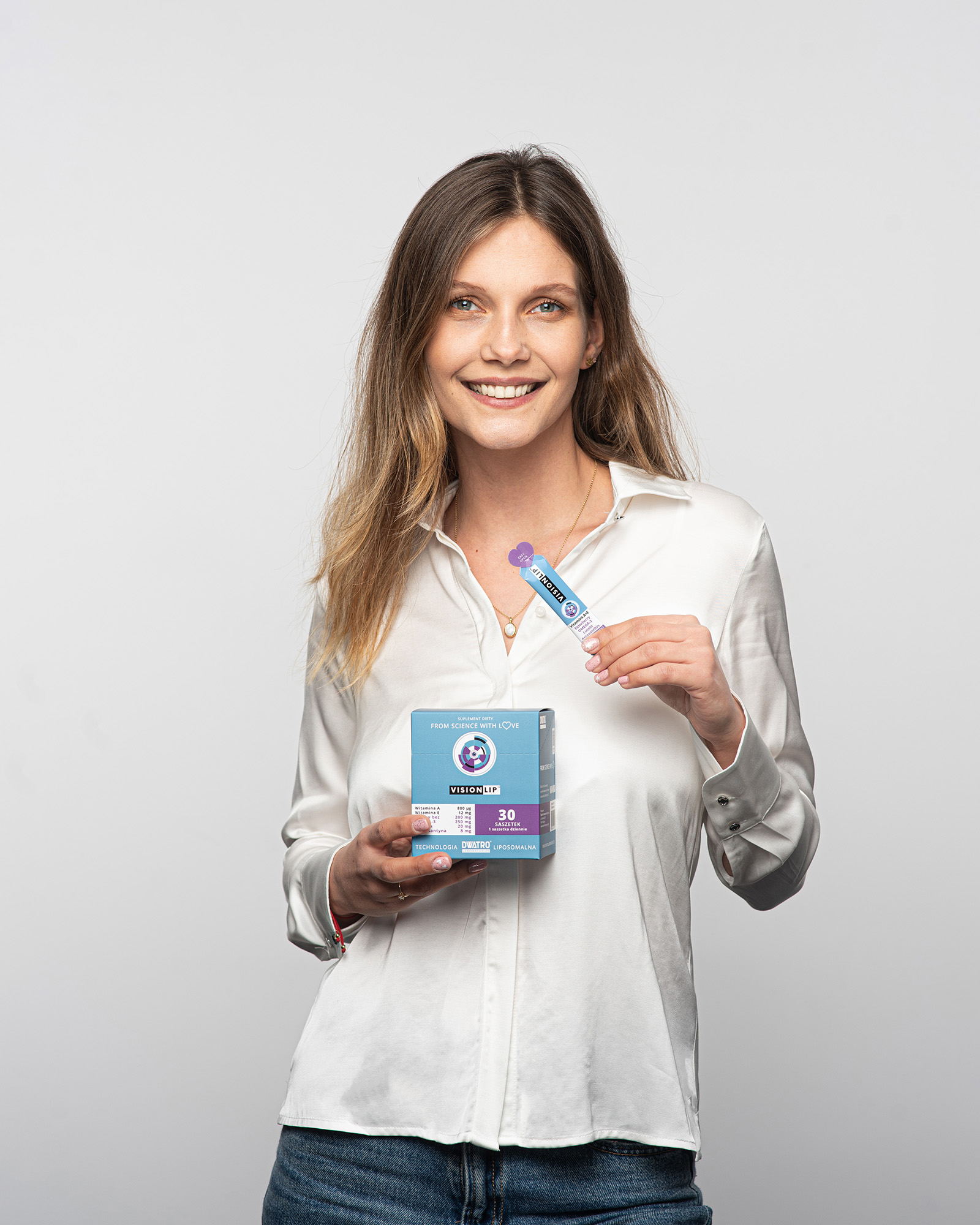
Vision Lip A unique combination of lutein, astaxanthin, omega-3, elderberry and vitamins A, E and C in the form of a liposomal gel.
Benefits for the skin and anti-aging
Astaxanthin is widely used in cosmetology and in supplements supporting skin health. Its action consists in protecting the skin against photoageing caused by UV radiation, in reducing wrinkles and in improving the elasticity of the skin. For this reason it is often called an “elixir of youth”, which works both from the inside (in the form of supplements) and from the outside (in the form of creams and serums).
Astaxanthin in sport and physical performance
Athletes are increasingly reaching for astaxanthin as a natural agent supporting recovery and physical performance. This compound improves the work of the mitochondria, that is, the energy centres of cells, which translates into better use of energy and a reduced feeling of fatigue. In addition, it limits muscle damage caused by intense exercise and supports muscle regeneration.
Effect on the cardiovascular system
Astaxanthin supports the protection of the blood vessels and the heart. It improves the elasticity of the vessel walls, reduces the level of “bad” LDL cholesterol and supports the regulation of blood pressure. Thanks to its anti-inflammatory and antioxidant action it reduces the risk of developing atherosclerosis, and thus of cardiovascular diseases.
Dietary sources of astaxanthin
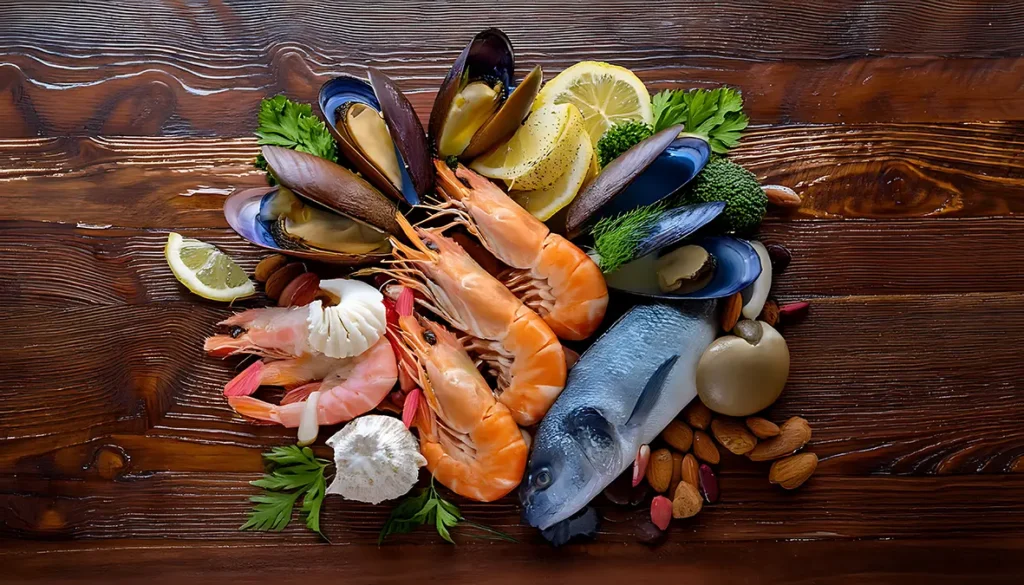
The natural sources of astaxanthin are above all seafood – salmon, shrimp, lobsters and crabs. However, because of the limited content of the compound in food, supplementation with Haematococcus pluvialis algae is the most effective way of supplying it to the body. These supplements are available in the form of oil capsules, which increases the bioavailability of the substance.
Supplementation and safety of use
Astaxanthin is regarded as a safe compound at the recommended doses (most often 4–12 mg per day). It does not show the side effects typical of some antioxidants, which means that it can be used long-term. It is important, however, to choose high-quality supplements from natural sources rather than synthetic equivalents.
Summary
Astaxanthin is an extremely valuable carotenoid with a broad spectrum of health-promoting action. Its antioxidant properties make it one of the strongest natural antioxidants, supporting eyesight, the heart, the skin and the performance of the body. Used in supplementation and in cosmetics, it is finding ever wider application in the prevention of lifestyle diseases and of ageing processes. Thanks to its natural origin and its high safety profile, astaxanthin is an excellent complement to a healthy lifestyle and a balanced diet.
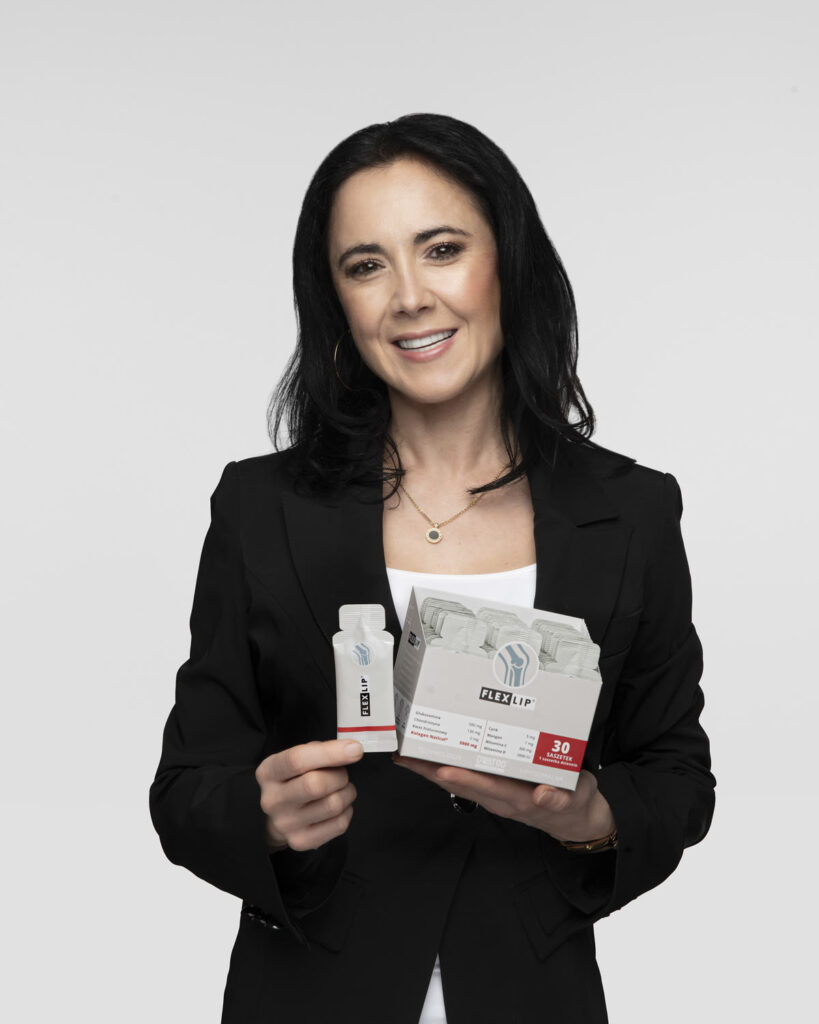
My name is Dorota Wątróbska-Świetlikowska, I am a pharmacist and a scientist with a postdoctoral degree (habilitation) in pharmaceutical sciences. I decided to combine my scientific knowledge and my experience in order to create dietary supplements of the highest quality.
My passion and main area of research are submicron dispersed systems, such as submicron emulsions, liposomes and lipospheres. After obtaining my doctorate I turned my attention to the practical aspects of parenteral nutrition, combining the needs of the patient with the possibilities available to the pharmacist. Quality, safety and efficacy are the most important things for me, which is visible both in my scientific work and in my approach to creating Dwatro Laboratories® supplements.