Vitamin D3 – guardian of immunity and of the body's balance

Vitamin D3 – guardian of immunity and of the body's balance
How vitamin D3 works in the human body
Vitamin D3, known as cholecalciferol, is a compound of exceptional importance for health. Although it is commonly called a vitamin, it in fact acts like a hormone, regulating many metabolic processes. It is responsible for the proper absorption of calcium and phosphorus, supports the mineralisation of bones and teeth, and also affects the immune, nervous and cardiovascular systems. It is produced naturally in the skin under the influence of UVB radiation, yet in Poland's climatic conditions this synthesis is insufficient for most of the year, which is why supplementation becomes indispensable.
The importance of vitamin D3 for the bones and the muscular system
Cholecalciferol plays a key role in calcium and phosphate metabolism. It stimulates the absorption of calcium in the intestines and its deposition in the bones, which prevents their demineralisation. A deficiency of vitamin D3 leads to a weakening of the skeletal system, increasing the risk of osteoporosis in adults and of rickets in children. It also supports proper muscle function, reduces the risk of falls and injuries in older people and contributes to maintaining good motor coordination.

D3 as a shield for the immune system
Vitamin D3 is one of the most important regulators of innate and acquired immunity. It affects the activity of T and B lymphocytes, which are responsible for fighting infections. Studies show that an adequate level of vitamin D3 reduces the risk of respiratory tract infections, colds and influenza, and may also ease the course of autoimmune diseases such as multiple sclerosis or rheumatoid arthritis. Regular supplementation with vitamin D3 supports the body during periods of lowered immunity, particularly in autumn and winter.
Effect on well-being and the nervous system
Cholecalciferol plays a significant role in the work of the brain. It supports the functioning of the neurotransmitters responsible for mood, concentration and memory. Numerous studies confirm that a deficiency of vitamin D3 may be linked with a worsening of mood, drowsiness and an increased risk of depression. Supplementation helps to stabilise the circadian rhythm, improves the quality of sleep and supports mental health.

Symptoms of vitamin D3 deficiency
A lack of an adequate amount of cholecalciferol in the body manifests itself as weakness, muscle and bone pain, a drop in immunity, a worsening of mood and problems with concentration. In children the deficiency leads to deformation of the skeleton, and in adults to increased bone fragility and chronic fatigue. In the longer term, a deficit of vitamin D3 may increase the risk of diabetes, hypertension and heart disease.
Sources of vitamin D3 in the everyday diet
The natural sources of vitamin D3 are above all oily sea fish, such as salmon, mackerel, herring and sardines. It is also found in egg yolks, liver, butter and dairy products. Fortified food is also used more and more often, for example margarines and plant-based milks enriched with vitamin D3. However, even a well-balanced diet does not cover the daily requirement, which is why supplementation is commonly recommended by specialists.

Supplementation – how to select the right dose
The recommended daily doses of vitamin D3 depend on age, body weight, lifestyle and exposure to the sun. Adults should take from 1000 to 4000 IU a day, and older people, those who are obese or who have limited contact with the sun – even more. An excess of vitamin D3 may lead to hypercalcaemia, which is why it is worth monitoring the level of 25(OH)D in the blood. The optimal concentration falls within the range of 30–50 ng/ml. Regular tests make it possible to select a dose adapted to individual needs.
Vitamin D3 and the heart and metabolism
In recent years more and more studies have confirmed the beneficial influence of vitamin D3 on the cardiovascular system. Cholecalciferol regulates blood pressure, supports the elasticity of the blood vessels and limits the inflammatory states that favour the development of atherosclerosis. It also helps to maintain a correct level of glucose and insulin, which is significant in the prevention of type 2 diabetes. An appropriate level of vitamin D3 may also support regenerative processes after intense physical exertion.
Innovative supplements from DWATRO Laboratories
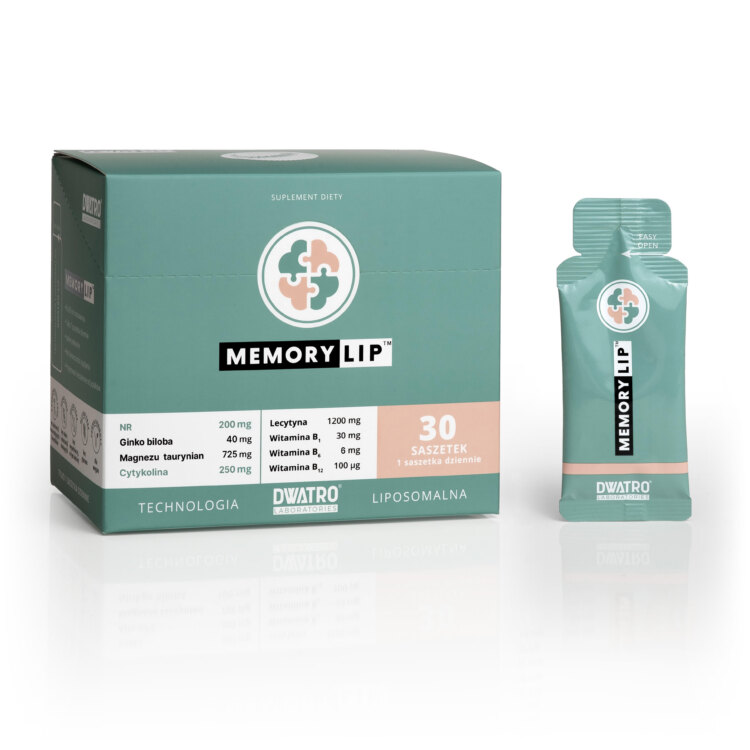
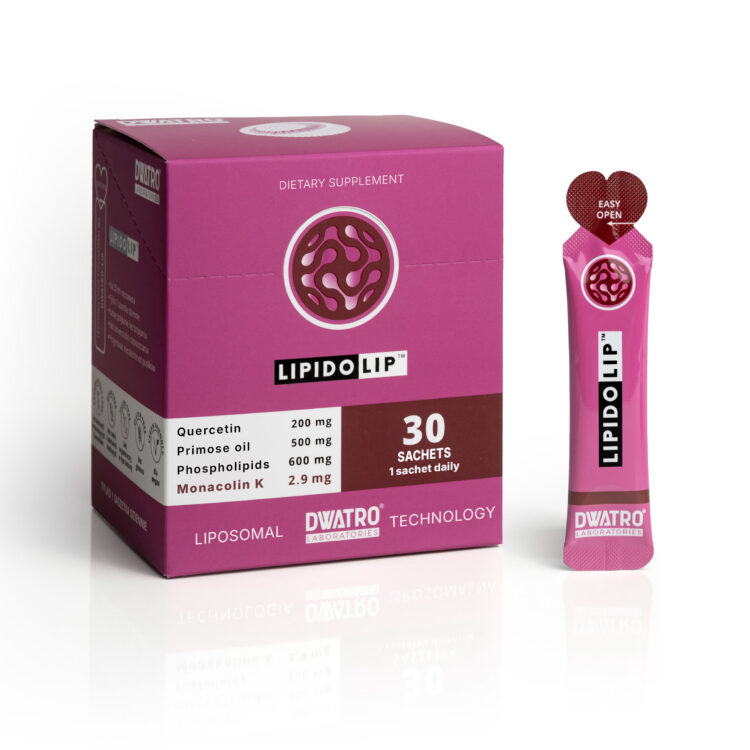
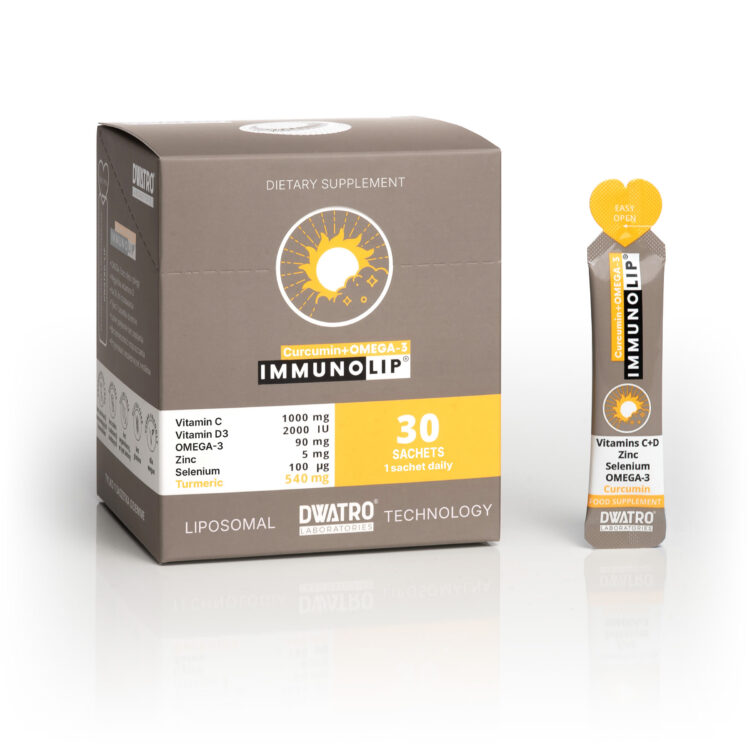
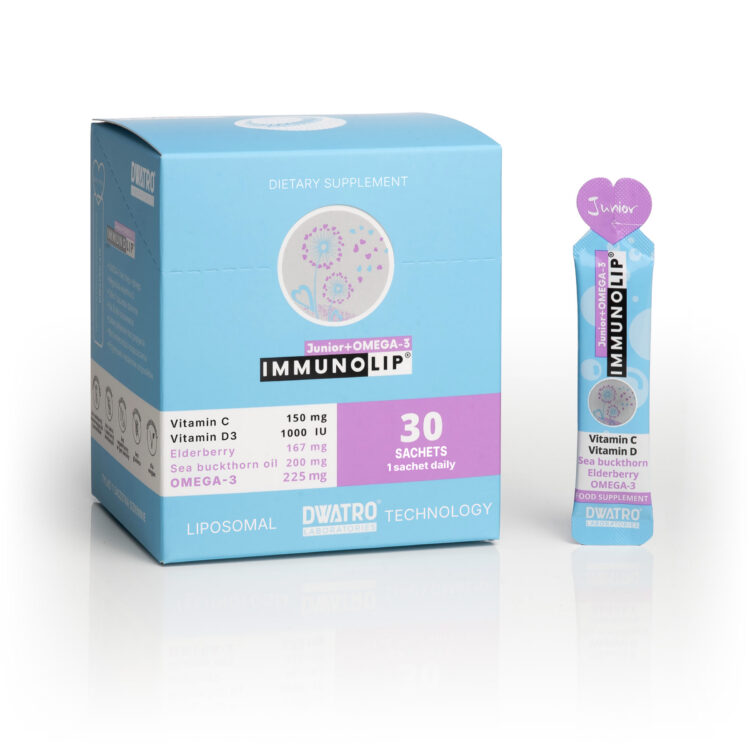
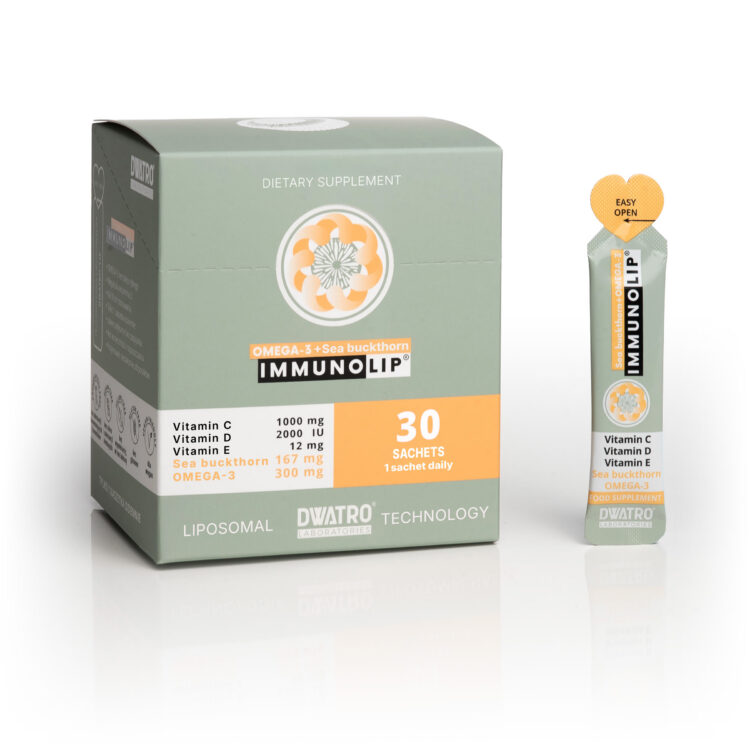
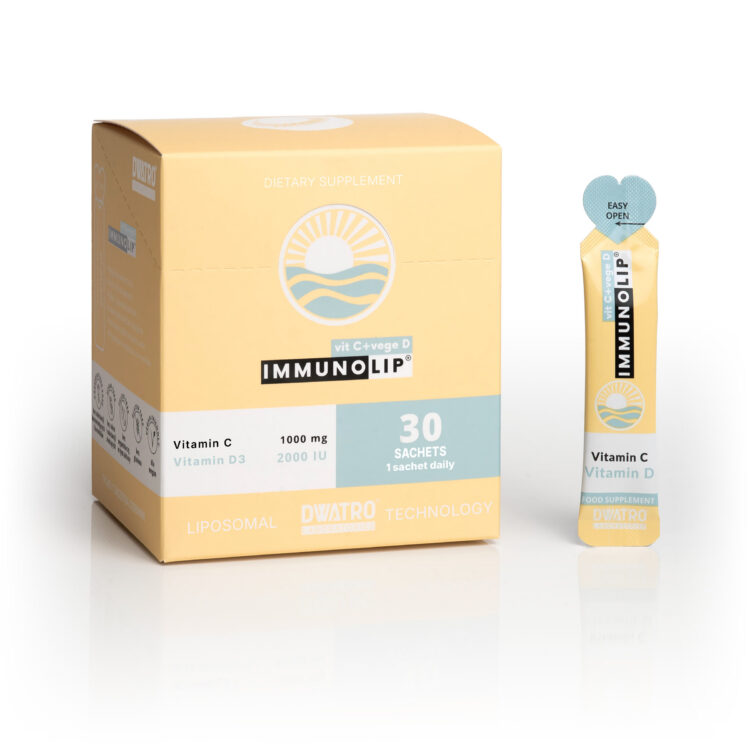
The DWATRO Laboratories brand has developed modern vitamin D3 supplements in liposomal technology, which significantly increases absorption and the effectiveness of their action. The liposomal form provides better transport of cholecalciferol into the cells, which makes it possible to achieve a stable level of the vitamin in the body. DWATRO Laboratories preparations often combine vitamin D3 with vitamin K2 MK-7, which ensures optimal use of calcium and supports the health of the bones and of the circulatory system. Such comprehensive formulas constitute effective and safe support for people of every age.
Prevention and the importance of regular tests
Maintaining a proper level of vitamin D3 requires not only supplementation, but also a healthy lifestyle. Regular walks in the sun, a balanced diet and avoiding excessive stress support the natural production of this vitamin. It is worth having the level of 25(OH)D tested at least once a year in order to assess the effectiveness of supplementation. Appropriate prevention makes it possible to avoid many chronic conditions and to keep in good shape all year round.
Summary
Vitamin D3 is one of the most important micronutrients for human health. It supports immunity, the bones, the nervous system and the heart, and its deficiency may lead to serious health consequences. Regular supplementation, particularly in the autumn and winter period, is crucial for maintaining metabolic balance and good well-being. The innovative DWATRO Laboratories preparations with vitamin D3 in liposomal technology provide maximum bioavailability and safety of use. Taking care of a proper level of vitamin D3 is an investment in immunity, strength and longevity.

My name is Dorota Wątróbska-Świetlikowska, I am a pharmacist and a scientist holding a habilitated doctorate in pharmaceutical sciences. I decided to combine my scientific knowledge and experience in order to create dietary supplements of the highest quality.
My passion and main area of research are submicron dispersion systems, such as submicron emulsions, liposomes and lipospheres. After obtaining my doctorate, I turned my attention to the practical aspects of parenteral nutrition, combining the needs of the patient with the possibilities of the pharmacist. Quality, safety and effectiveness are the most important things for me , which is visible both in my scientific work and in my approach to creating supplements from Dwatro Laboratories®.