What is astaxanthin?
What is astaxanthin?
Definition, properties and significance in supplementation
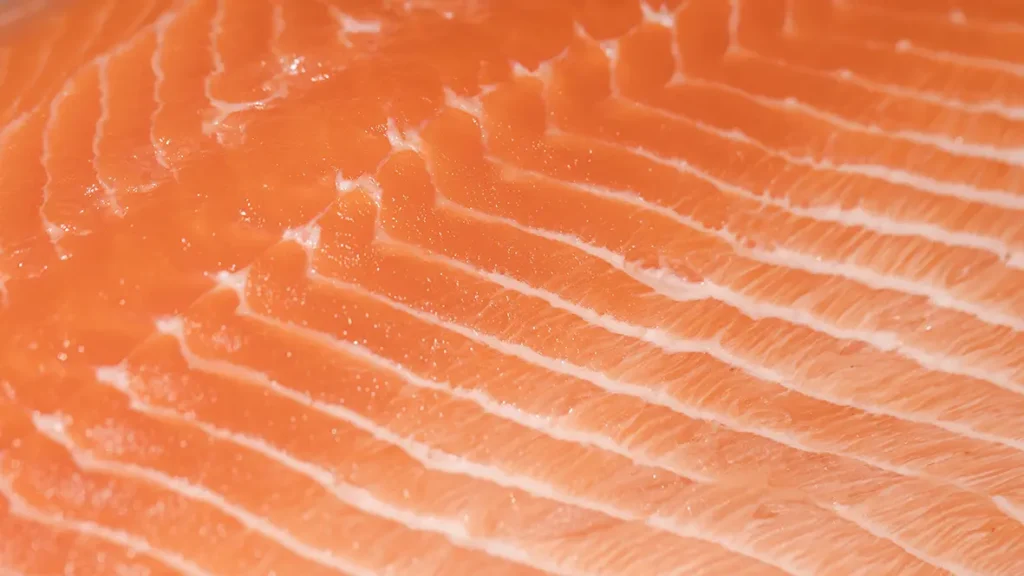
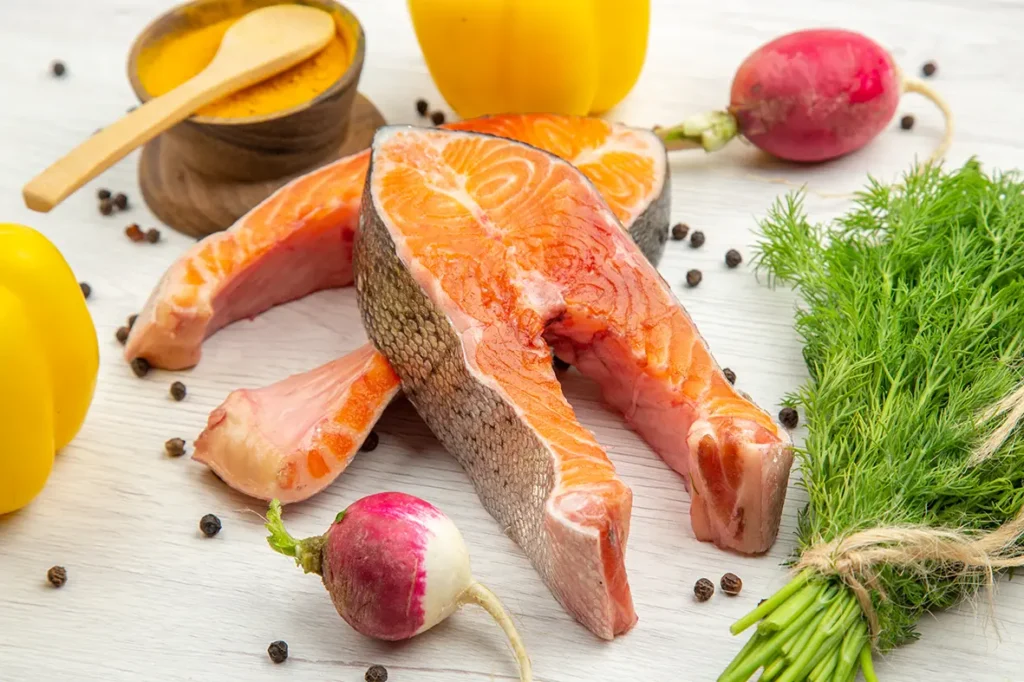
Astaxanthin is a natural pigment from the carotenoid group, which occurs in algae, crustaceans and fish such as salmon and trout, among others. It is responsible for the characteristic red-pink colouring of the flesh of these organisms, but its colour is not its greatest asset. Astaxanthin is regarded as one of the strongest natural antioxidants, considerably surpassing in this respect the popular vitamins C and E or beta-carotene.
Thanks to its unique properties, astaxanthin is finding ever wider application in dietary supplementation, cosmetology, dermatology and even in sports medicine and ophthalmology. It is also the subject of numerous scientific studies into its influence on human health, on ageing processes and on cell regeneration.
Where does astaxanthin occur?
Natural and industrial sources
The natural sources of astaxanthin are:
- microalgae (especially Haematococcus pluvialis – the richest source of this substance),
- Phaffia rhodozyma yeast,
- certain species of shrimp and lobster,
- crabs, spiny lobsters,
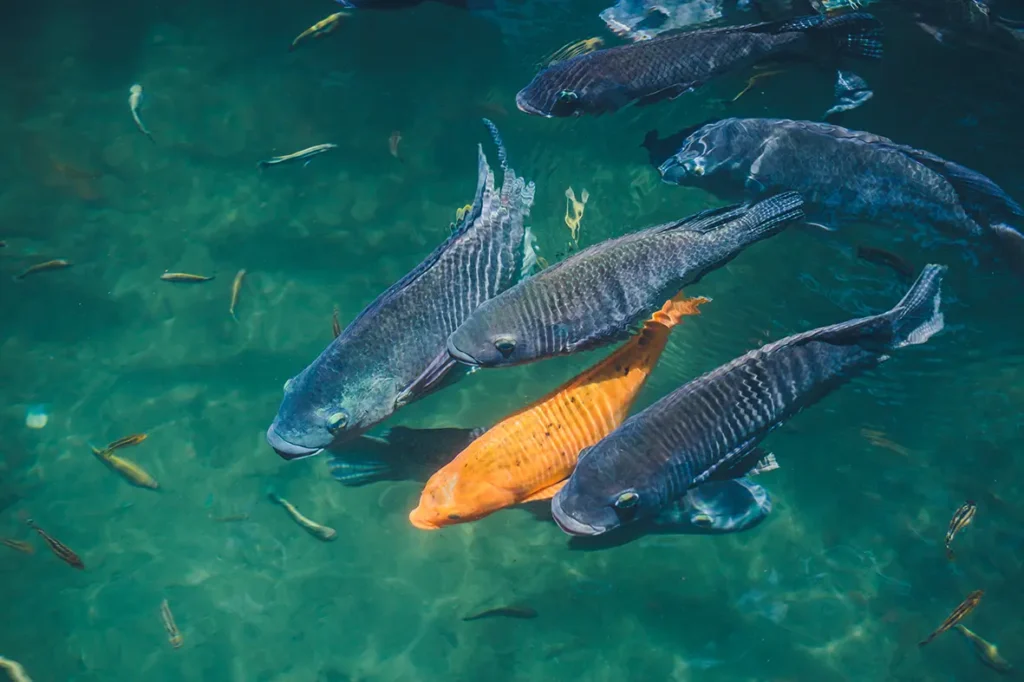
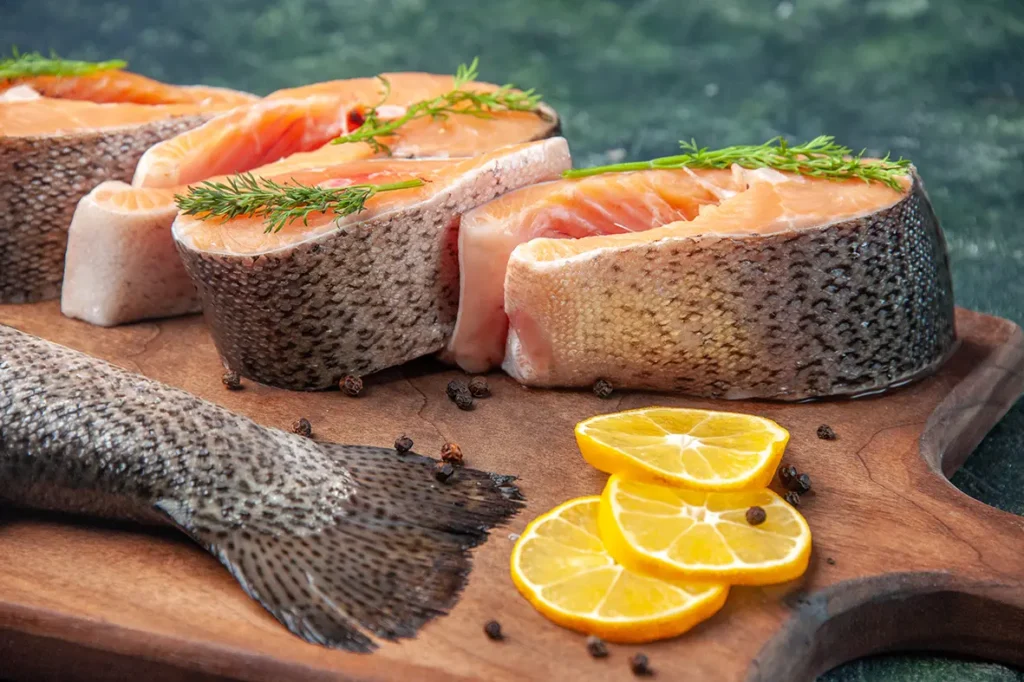
- the flesh of wild salmon and trout.
In the supplement industry, the most important form is astaxanthin derived from Haematococcus pluvialis algae, cultivated under special conditions – e.g. in closed photobioreactors. Astaxanthin of this kind is biologically pure, well absorbed and stable, and at the same time free from heavy metal contamination, which is of enormous importance for consumer safety.
The biological properties of astaxanthin
Astaxanthin displays strong properties that are:
- antioxidant – it neutralises oxygen free radicals, protecting cells against oxidative stress,
- anti-inflammatory – it reduces inflammation at the cellular level,
- immunomodulating – it supports the natural immune mechanisms,
- cardioprotective – it has a beneficial effect on the lipid profile and on the elasticity of blood vessels,
- neuroprotective – it supports cognitive functions and the protection of the nervous system,
- photoprotective – it protects the skin against harmful UV radiation.
Research also suggests that astaxanthin may have a positive effect on physical performance, improve muscle regeneration and increase endurance during exertion – which is why it is popular among athletes.
Astaxanthin, skin health and protection against ageing
Thanks to its antioxidant and anti-inflammatory properties, astaxanthin is regarded as an effective ingredient supporting a healthy appearance of the skin. Regular supplementation may:
- reduce the visibility of wrinkles,
- improve the elasticity and firmness of the skin,
- increase the level of hydration,
- support cell regeneration after exposure to UV radiation,
- act as natural sun protection from within.
Importantly, astaxanthin penetrates into the deep layers of the skin and neutralises the oxidative damage caused by the sun, smog and other environmental factors. This means that it appears more and more often as an ingredient in modern anti-aging cosmetics.
Astaxanthin in supplementation – how does it work and when is it worth using?
Dietary supplements with astaxanthin are usually available in the form of capsules containing an oil extract from algae. The dosage depends on the aim of supplementation, but doses of 4 to 12 mg a day are most commonly used.
It is recommended in particular for people:
- exposed to oxidative stress (e.g. older people, smokers, people working at a computer),
- leading an active lifestyle and taking part in sport,
- with skin problems (e.g. acne, eczema, photoageing),
- in the prevention of cardiovascular diseases,
- as supportive care in neurodegenerative diseases.
Unlike many other antioxidants, astaxanthin does not display pro-oxidant properties even at high doses, which means that it is safe and stable in the way it acts.
Does astaxanthin have side effects?
Clinical studies have shown that astaxanthin is well tolerated by the body, even with long-term use. It shows neither toxicity nor any mutagenic effect. In some people, at very high doses, it may cause a slight colouring of the skin (yellowish-orange), which is the result of it being deposited in the tissues – in the same way as with an excess of beta-carotene.
It is not recommended for people allergic to crustaceans or algae without prior consultation with a doctor, because of the possibility of cross-allergic reactions.
Astaxanthin and DWATRO Laboratories
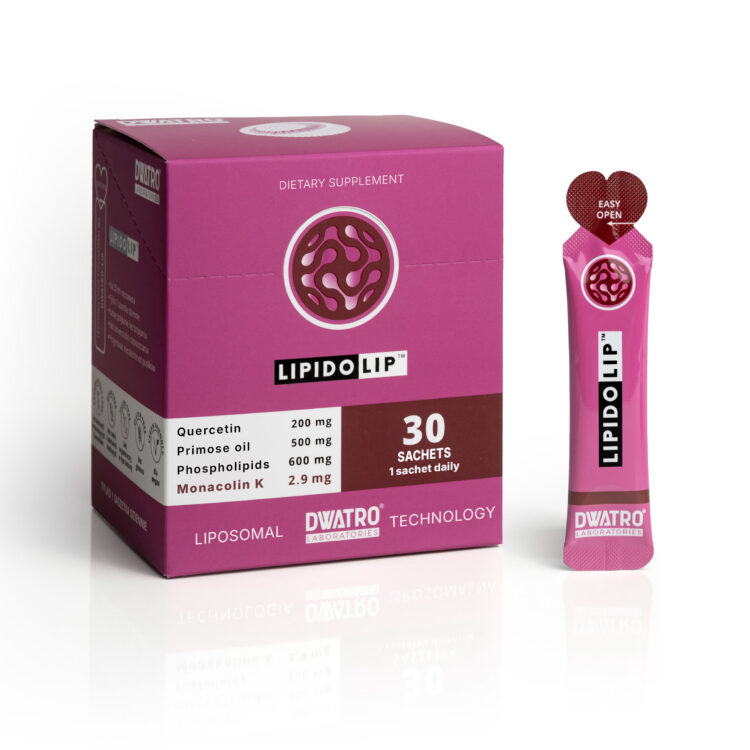
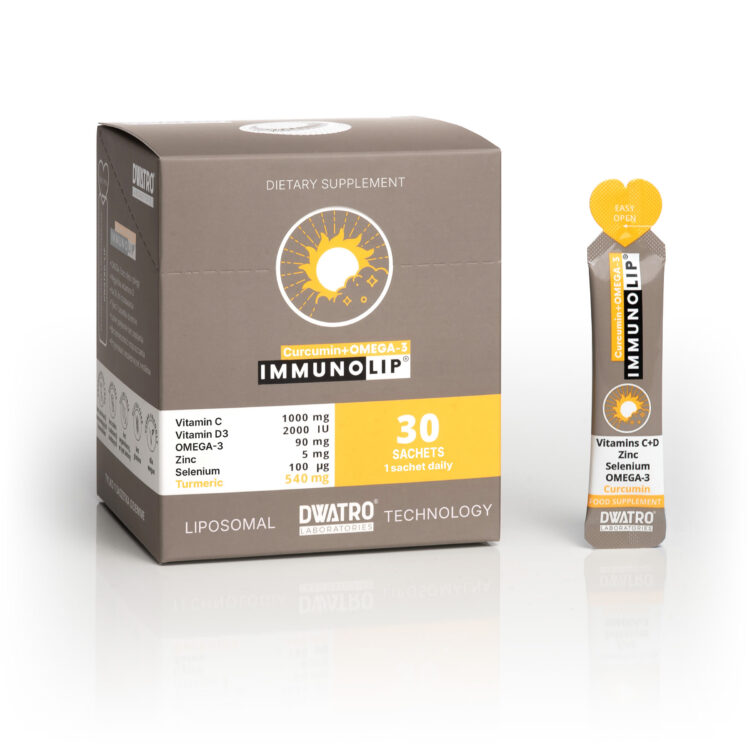
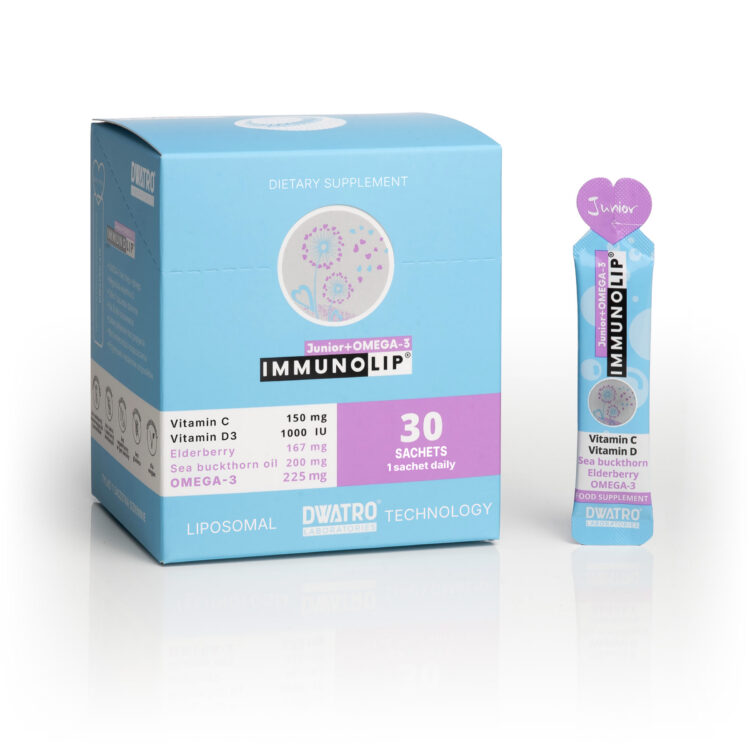
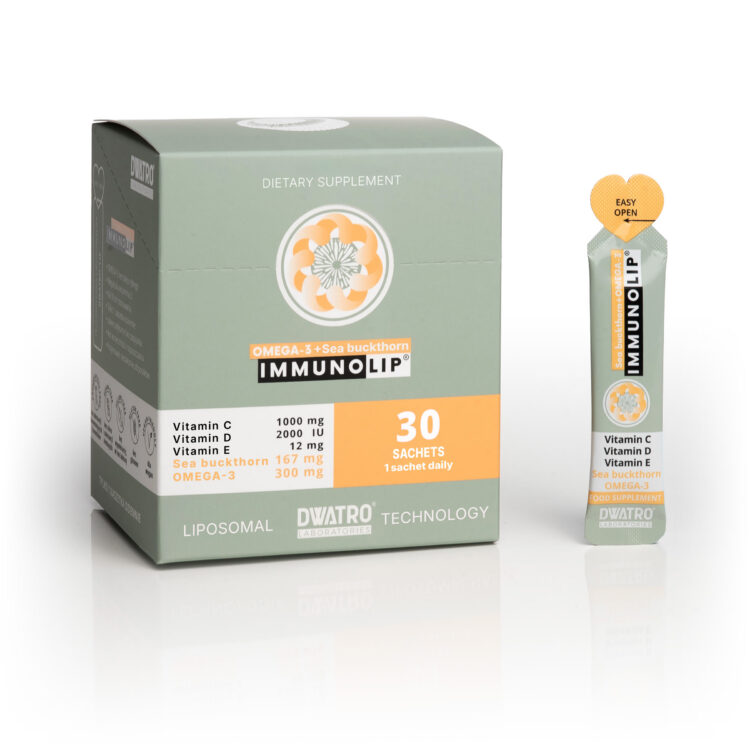
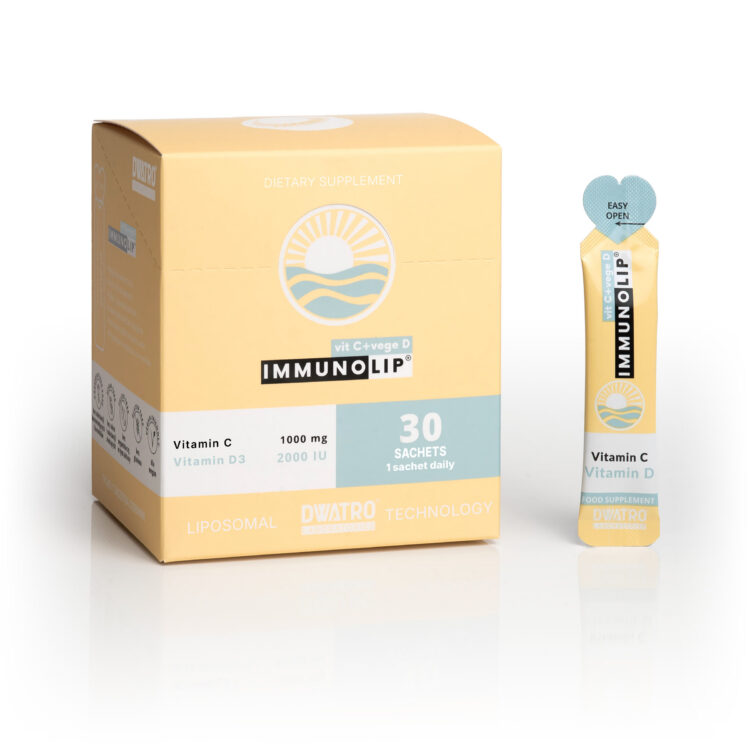
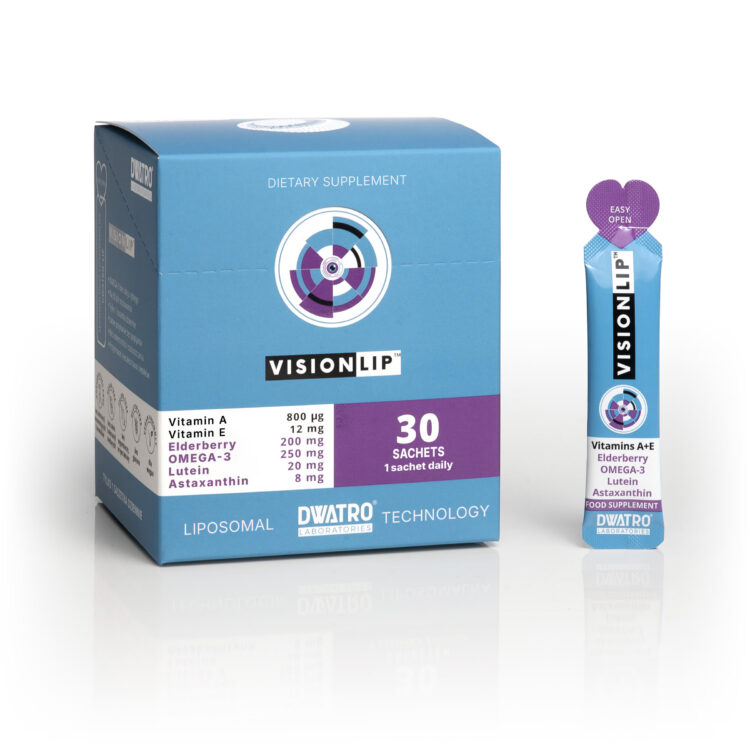
In the context of the DWATRO Laboratories philosophy, which focuses on high bioavailability, natural ingredients and synergy of action, astaxanthin fits in perfectly as a complement to supplementation with collagen, liposomal vitamins or new-generation antioxidants. Thanks to its broad protective action, it supports the whole body – from the skin, through the circulatory system, all the way to the brain – acting at the cellular level.
As an active ingredient with strong biological potential, astaxanthin can be valuable support in everyday health prevention and in keeping a youthful appearance for longer.
A correct diagnosis requires a thorough medical history, observation of the symptoms and the support of an allergy specialist.
Summary
Astaxanthin is one of the most valuable natural carotenoids, which thanks to its exceptional antioxidant properties finds application not only in protecting the skin, but also in the prevention of lifestyle diseases. Its broad spectrum of action, high effectiveness and safety mean that it is increasingly being reached for by people who are aware of the influence of lifestyle on health.
In an age of an excess of toxins, UV radiation and oxidative stress – astaxanthin is becoming not merely a fashionable addition, but concrete, scientifically confirmed support for the body. Its natural origin, the absence of side effects and its proven effectiveness make it an ideal ingredient of the modern supplementation that DWATRO Laboratories also promotes.
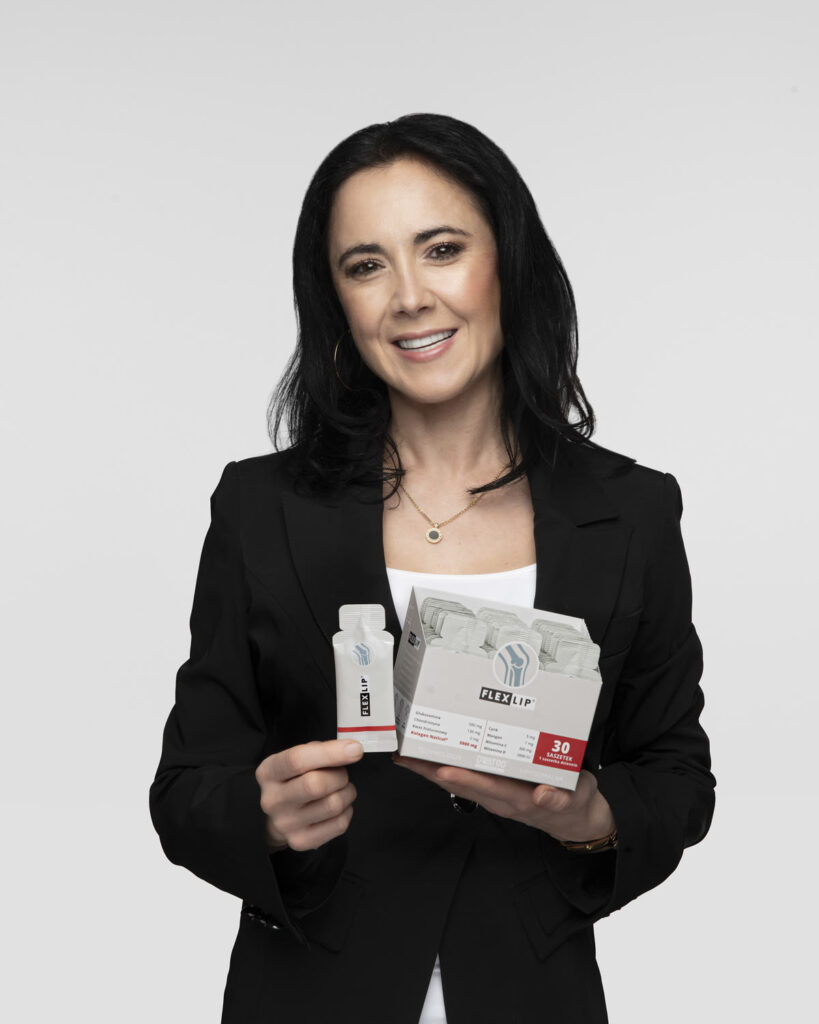
My name is Dorota Wątróbska-Świetlikowska, I am a pharmacist and a scientist holding a habilitated doctorate in pharmaceutical sciences. I decided to combine my scientific knowledge and my experience in order to create dietary supplements of the highest quality.
My passion and main area of research are submicron dispersion systems, such as submicron emulsions, liposomes and lipospheres. After obtaining my doctorate, I turned my attention to the practical aspects of parenteral nutrition, bringing together the needs of the patient and the possibilities open to the pharmacist. Quality, safety and efficacy matter most to me , which is visible both in my scientific work and in my approach to creating Dwatro Laboratories® supplements.