Digestive enzymes – the key to proper digestion and the effective absorption of nutrients
Digestive enzymes – the key to proper digestion and the effective absorption of nutrients
What digestive enzymes are
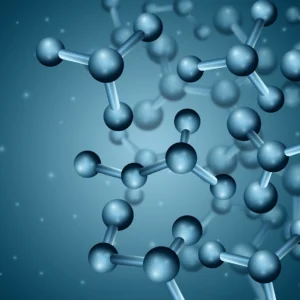
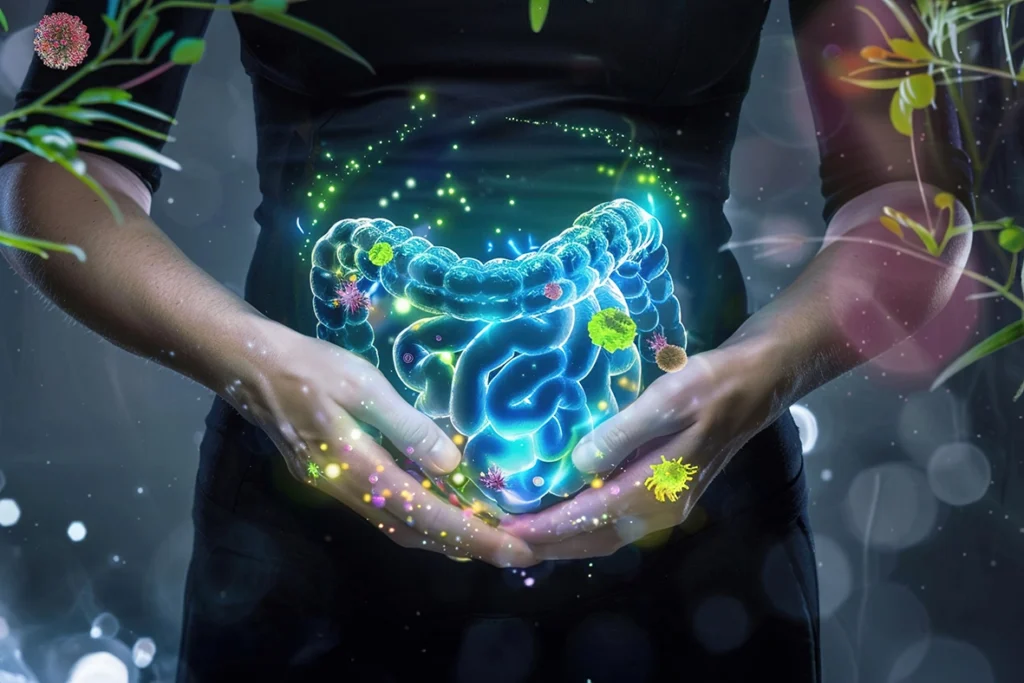
Digestive enzymes are biologically active proteins responsible for breaking food down into smaller particles that the body can absorb. Their task is to break proteins, fats and carbohydrates down into amino acids, fatty acids and glucose. Thanks to this, nutrients can reach the bloodstream and be used by the cells. Without enzymes the process of digestion would be not only ineffective but practically impossible. They are produced in many organs – from the salivary glands, through the stomach, all the way to the pancreas and the intestines, forming a complex and extremely precise system.
The main types of digestive enzymes and their importance
The body produces many types of enzymes, each of which is responsible for a different stage of digestion. Proteases break down proteins, lipases deal with fats, and amylases with carbohydrates. Lactose is digested by lactase, starch by salivary and pancreatic amylase, and fats by pancreatic lipase and bile. Enzymes act sequentially – each successive stage of digestion depends on the previous one, which is why even a small enzyme deficiency can disturb the whole process. This is precisely why digestive enzymes are of key importance for intestinal comfort and proper metabolism.

How digestive enzymes are produced and why they are sometimes lacking
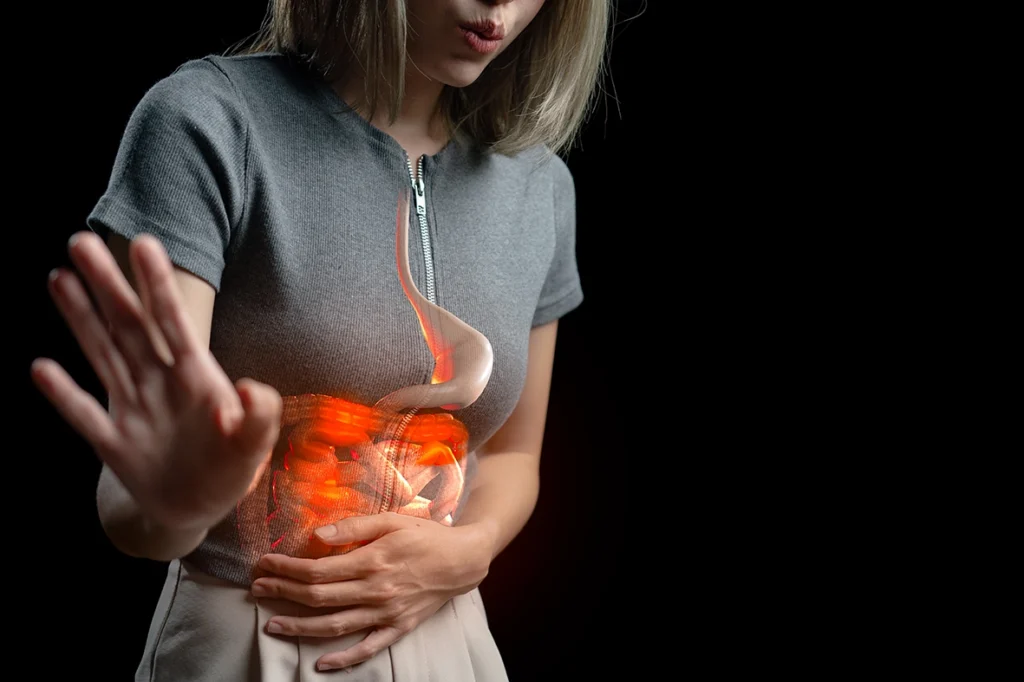
The production of digestive enzymes depends on the condition of the pancreas, the stomach and the intestines, as well as on the quality of the diet and the balance of the microbiome. A lack of appropriate stimulation, chronic stress, diseases of the digestive tract or eating large amounts of highly processed food can lead to weakened enzyme production. Enzyme deficiencies manifest themselves as bloating, gas, a feeling of heaviness after a meal, indigestion and disturbed bowel movements. In the longer term they can lead to malnutrition, because the body is not able to make full use of food.
The role of enzymes in the absorption of nutrients
Digestive enzymes are responsible not only for breaking food down but also for converting substances into forms that can be absorbed in the small intestine. If enzymes are lacking, even a perfectly composed diet will not translate into good nourishment of the cells. An enzyme deficiency can limit the absorption of protein, vitamins, minerals and essential fatty acids. The body becomes overloaded, energy falls, immunity deteriorates, and the skin and hair may look weakened. This is precisely why enzymes are one of the foundations of healthy digestion.

Encapsulation in cosmetology and dermo-supplementation
In cosmetology, encapsulation is used to transport vitamin C, retinol, fatty acids and peptides deep into the skin. The shell protects the substance against oxidation and makes it possible to release it directly in the layers of the dermis. Thanks to this, the effectiveness of the active ingredients is considerably higher than in traditional creams. In dermo-supplementation this technology is used in oral supplements, providing a systemic action – from within, at the cellular level.
Digestive enzymes of plant and animal origin
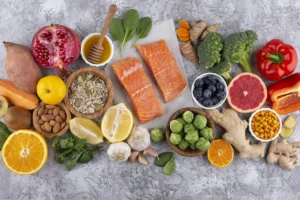
In supplementation, enzymes of animal origin are used, such as pepsin and trypsin, as well as plant enzymes, among them bromelain from pineapple and papain from papaya. Plant enzymes are characterised by a broad range of action and by stability across different pH conditions, which is why they are increasingly chosen in products that support digestion. Fermented plant ingredients and extracts are also rich in enzymes, and they naturally strengthen metabolic and digestive processes.
The influence of lifestyle on enzyme production
The way we eat has an enormous influence on how digestive enzymes work. Eating meals too quickly, eating under stress, not chewing and a diet poor in fresh plant products weaken enzyme production. Intestinal balance and a healthy microbiome, on the other hand, strengthen enzymatic processes. Physical activity, hydration and regular meals support the secretion of enzymes and improve digestion.
Why enzyme supplementation is sometimes necessary
Enzyme supplementation may be essential in the case of weakened pancreatic function, intestinal problems, food intolerances or in a situation of increased load on the digestive system. Modern enzyme preparations help to break down demanding products such as dairy, gluten, animal proteins or fatty meals. Supplementation can also improve the digestive comfort of people who feel discomfort after eating or whose intestinal motility is slowed down.
Modern technologies and the effectiveness of enzymes
Enzymes are sensitive to stomach acid, which is why protecting them is crucial. Appropriate shells, delayed-release capsules and encapsulation technology allow enzymes to reach the small intestine in an active form. Thanks to this their action is fuller and more predictable. In premium supplementation, liposomal technologies and phospholipid dispersions are also used, which increase the stability and activity of enzymes.
Digestive enzymes in DWATRO Laboratories formulas
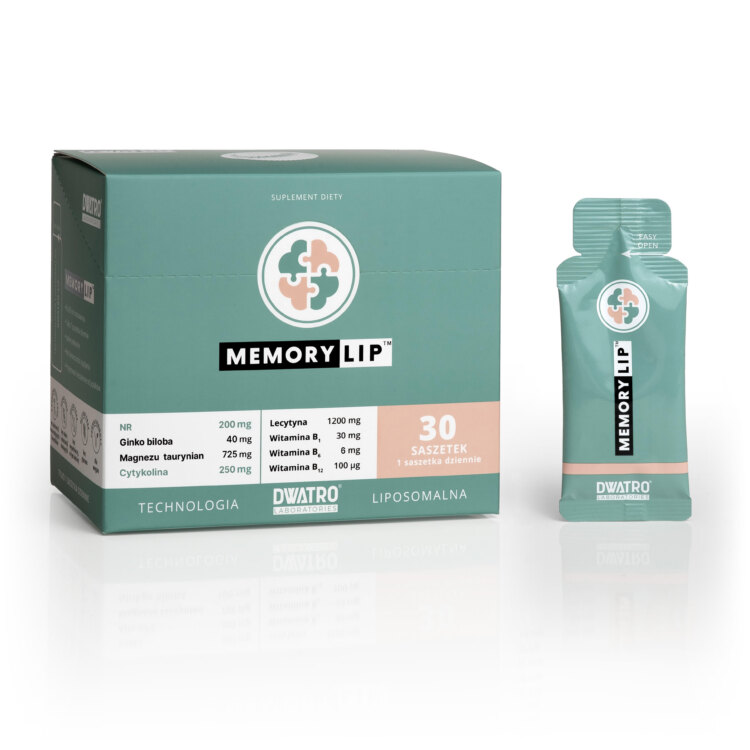
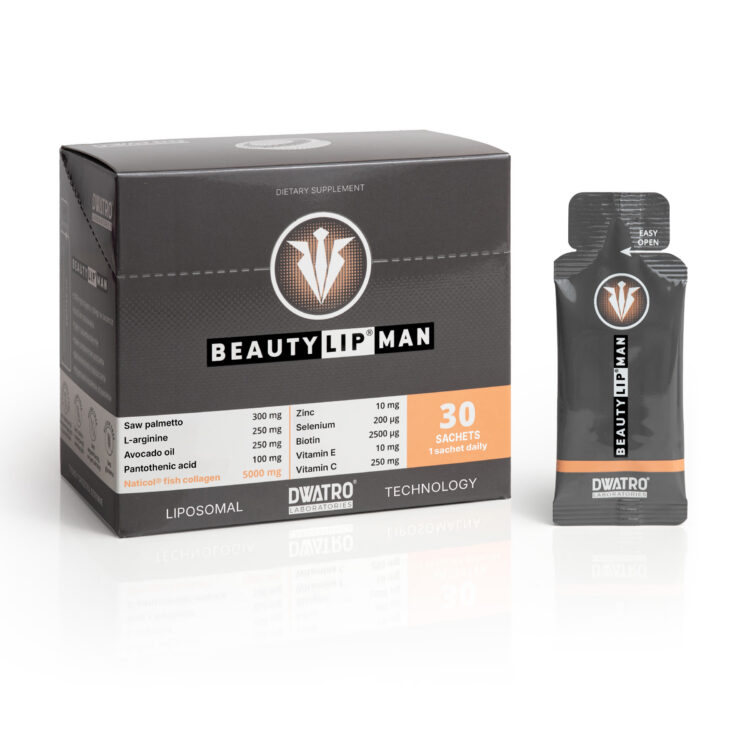
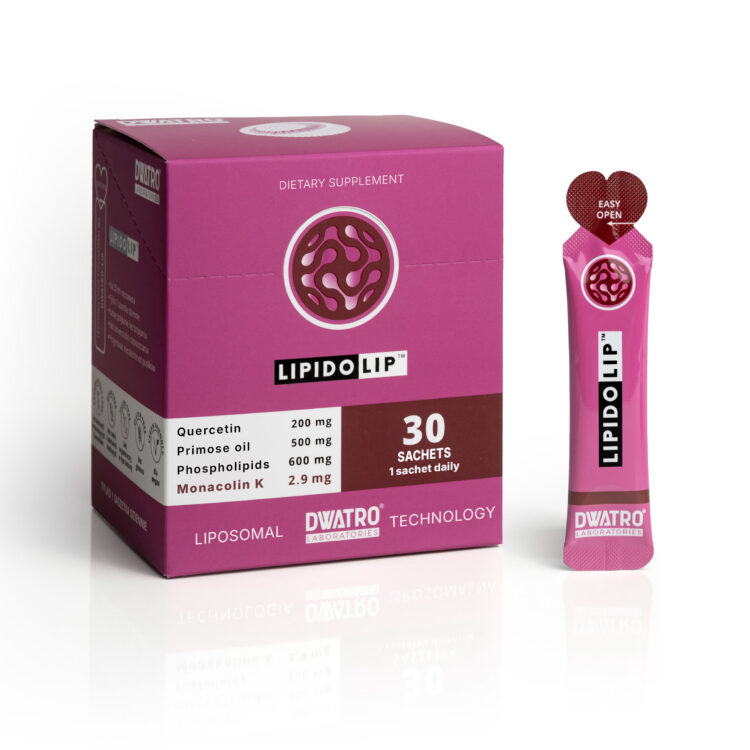
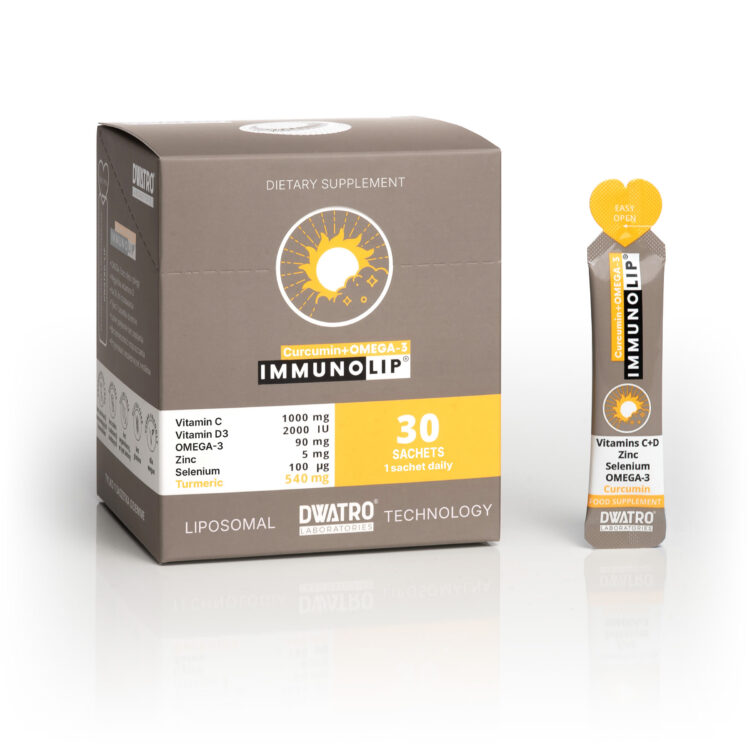
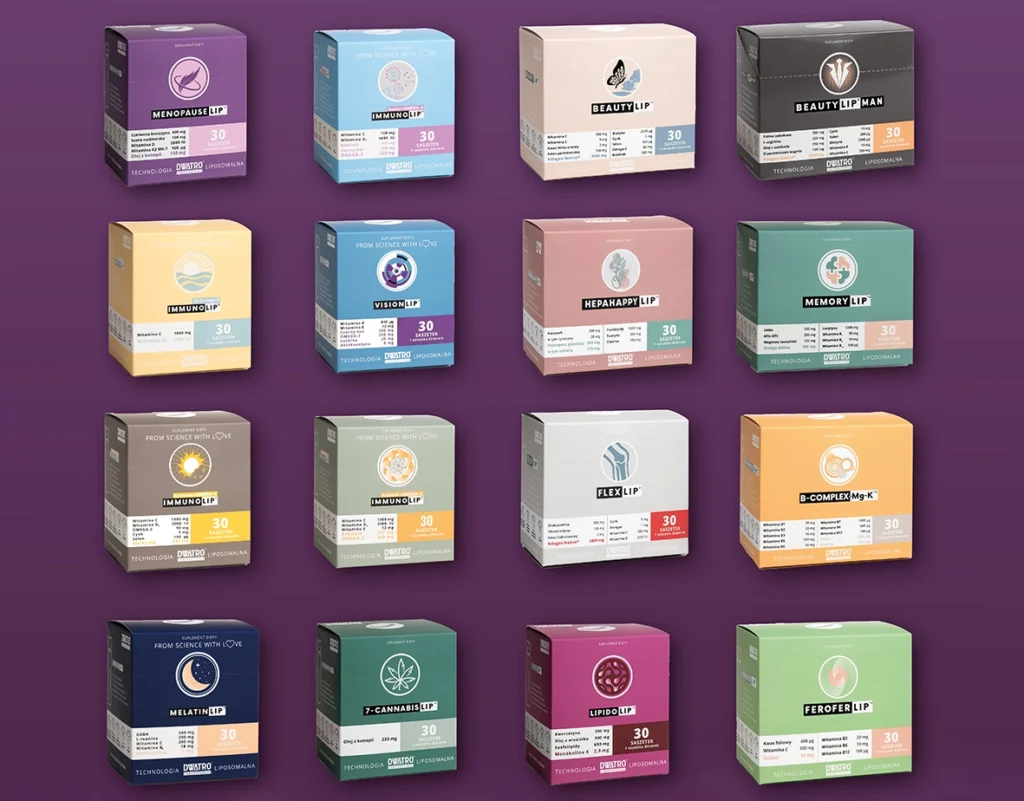
In its products the DWATRO Laboratories brand uses enzymes of plant and microbiological origin, which are characterised by high activity across different pH ranges. Thanks to the DWATRO®LIP technology, enzymes can additionally be stabilised with phospholipid carriers, which increases their effectiveness in the intestines and raises the bioavailability of nutrients. Combining enzymes with antioxidants, vitamins or plant extracts means that DWATRO supplements act in many directions – they support digestion, the regeneration of the intestines and the improvement of metabolic comfort.
Summary
Digestive enzymes are the foundation of a healthy digestive system and of the efficient absorption of nutrients. They make the proper breakdown of food possible, improve intestinal comfort and support cellular metabolism. Their activity depends on lifestyle, diet and the condition of the pancreas and the intestines. Modern preparations, such as those offered by DWATRO Laboratories, use technologies that improve the stability and bioavailability of enzymes, thanks to which their action is more effective and more predictable. Supporting enzymes is an investment in healthy digestion, better energy and general well-being.

My name is Dorota Wątróbska-Świetlikowska, I am a pharmacist and a scientist holding a habilitated doctorate in pharmaceutical sciences. I decided to combine my scientific knowledge and my experience in order to create dietary supplements of the highest quality.
My passion and main area of research are submicron dispersion systems, such as submicron emulsions, liposomes and lipospheres. After obtaining my doctorate, I turned my attention to the practical aspects of parenteral nutrition, combining the needs of the patient with the possibilities of the pharmacist. What matters most to me is quality, safety and effectiveness , which is visible both in my scientific work and in my approach to creating the supplements of Dwatro Laboratories®.