Antioxidants – definition, role and use in health prevention
Antioxidants – definition, role and use in health prevention
What are antioxidants?
Antioxidants (free radical scavengers) are chemical compounds that protect the body against oxidative stress, that is against the harmful action of free radicals. Free radicals arise, among other things, as a result of cellular respiration, air pollution, UV radiation, cigarette smoking or chronic stress. When their amount exceeds the body's capacity to neutralise them, cell damage occurs – which promotes ageing of the skin, reduced immunity and even the development of chronic diseases.
Antioxidants neutralise these reactive molecules, restoring the body's balance. That is precisely why they are present in many nutraceutical formulas offered by DWATRO Laboratories, which puts its emphasis on advanced support for cellular health.
Types of antioxidants – natural and supplemented
Antioxidants can be divided into two main groups: endogenous ones, that is those produced by the body, and exogenous ones, which are supplied from outside – mainly with food or with dietary supplements.
Endogenous antioxidants:
- Glutathione – one of the most important internal antioxidants, playing a key role in detoxification.
- Superoxide dismutase (SOD), catalase, glutathione peroxidase – enzymes that neutralise excess free radicals.
- Coenzyme Q10 – performs a dual function: an energy-related one and an antioxidant one.
Exogenous antioxidants:
- Vitamins: C, E, A – known for their strong protective action and for supporting immunity.
- Carotenoids: beta-carotene, lutein, zeaxanthin, lycopene – they protect, among other things, eyesight and the skin.
- Polyphenols: quercetin, resveratrol, catechins, curcumin – strong plant compounds with an anti-inflammatory action.
- Minerals: zinc, selenium – essential for the correct working of antioxidant enzymes.
These ingredients are found in the diet, but because of the quality of food and the everyday stress on the body, more and more use is made of supplements that contain them in concentrated, well-absorbable forms.
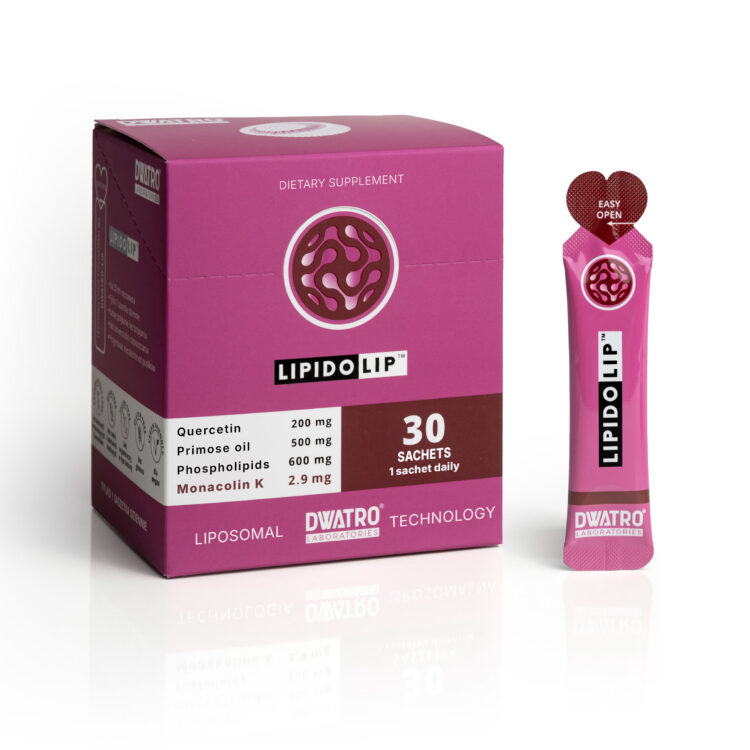
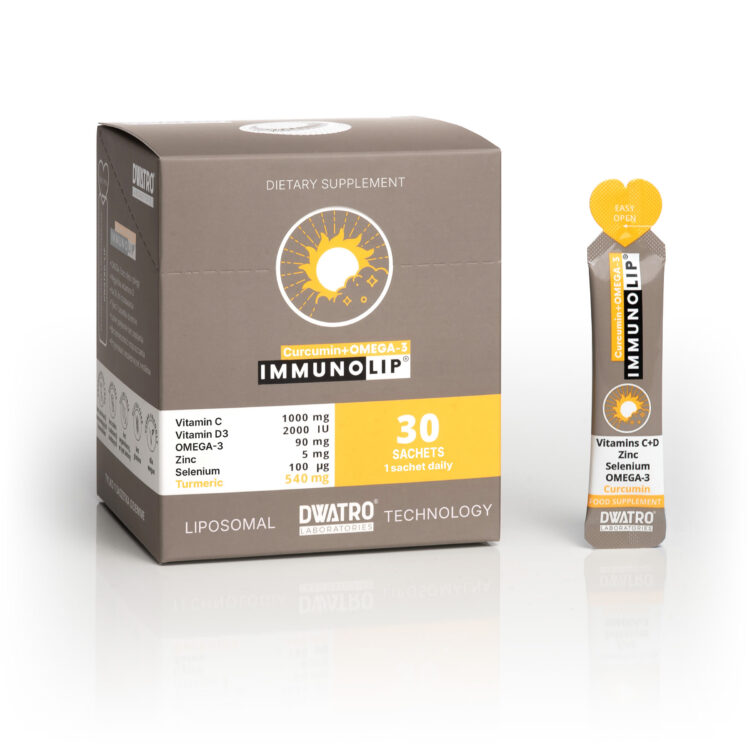
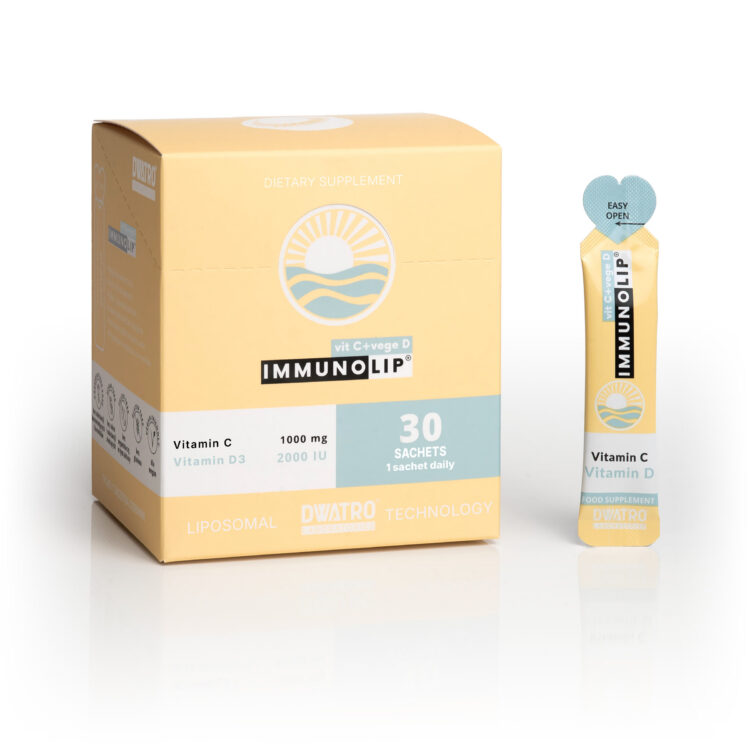
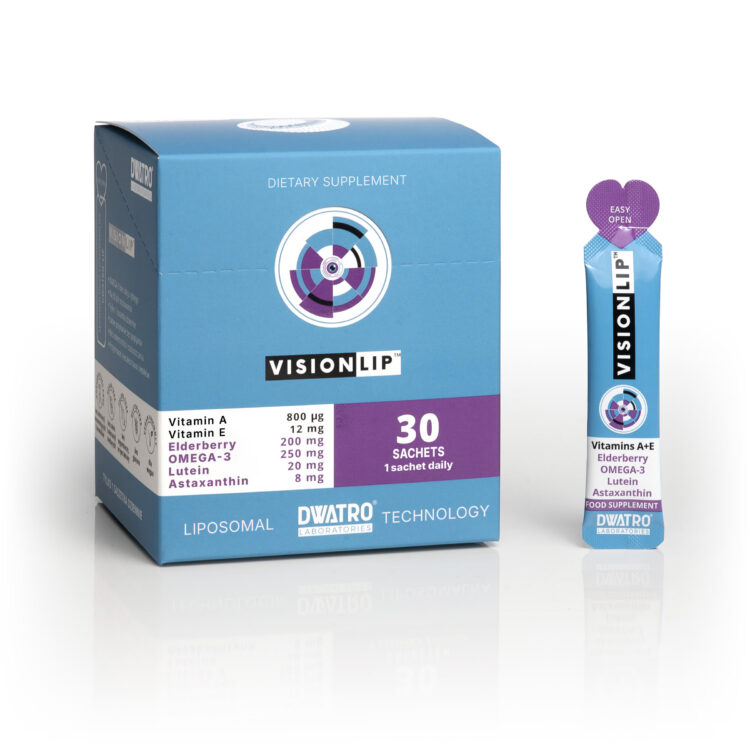
In the DWATRO Laboratories range, many preparations contain combinations of the above ingredients, especially the exogenous ones, which naturally support the body's antioxidant system.
How do antioxidants work?
The mechanism of action of antioxidants consists in donating an electron to a free radical without themselves becoming reactive. In this way they interrupt oxidation reactions, protecting cells against damage.
Some antioxidants have additional functions:
- Vitamin C regenerates vitamin E.
- Polyphenols bind heavy metals, preventing the formation of new free radicals.
- Some compounds, such as coenzyme Q10, also act as energy carriers in the mitochondria.
The use of antioxidants in prevention
1. Strengthening immunity
Vitamin C, zinc and selenium play a key role in the work of the immune system. Their presence in supplements that support immunity is no accident – regular supplementation may reduce susceptibility to infections and shorten the duration of illness.
2. Slowing down the ageing processes
Antioxidants protect the skin and tissues against oxidative damage. Substances such as coenzyme Q10, vitamin E or lycopene are often used in anti-aging preparations. Using them regularly has a beneficial effect on the firmness of the skin and on the reduction of fine wrinkles.
3. Support for the circulatory system
Resveratrol, flavonoids or coenzyme Q10 support the elasticity of blood vessels and may lower the level of "bad" LDL cholesterol. They have a protective effect on the heart, reducing the risk of atherosclerosis and hypertension.
4. Protection of eyesight
Lutein and zeaxanthin are natural blue light filters – they protect the retina and support the prevention of age-related macular degeneration (AMD). That is why they are ingredients of preparations dedicated to people working at a computer or aged 50+.
5. Regeneration after physical exertion
Intensive training increases the production of free radicals. Moderate supplementation with antioxidants supports regeneration, limiting muscle damage. An excess, however, may weaken training adaptation – appropriate dosing is important.

Where to get antioxidants from?
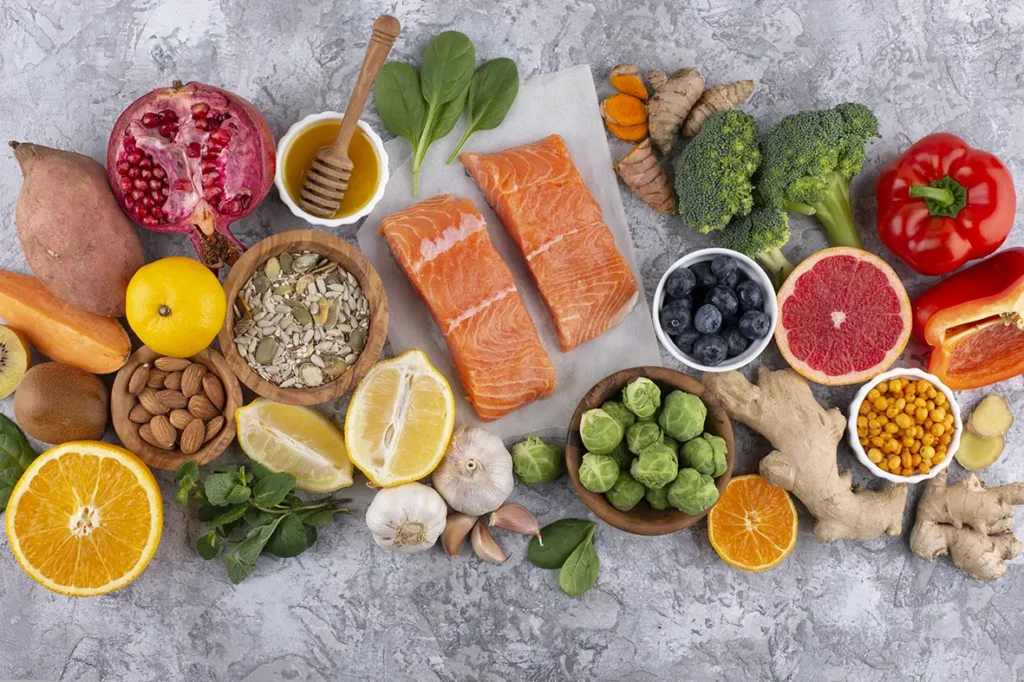
The best source is food products – vegetables, fruit, herbs, nuts and seeds. However, the diet does not always supply them in a sufficient amount or in a well-absorbable form.
That is why people reach more and more often for:
- Preparations with vitamin C in a buffered or liposomal form.
- Capsules with coenzyme Q10, especially for people aged 40+.
- Supplements containing standardised plant extracts (turmeric, grapes, green tea).
- Eye complexes with lutein and zinc.
Products of this type are used in everyday prevention, in supporting the condition of the body and in supplementing the diet in difficult circumstances – e.g. in shift work, when staying in a polluted environment or with weakened immunity.
What to pay attention to when choosing a supplement?
- Chemical form – e.g. sodium ascorbate vs. ascorbic acid; ubiquinol vs. ubiquinone.
- Bioavailability – liposomal preparations, or ones with added fats, are absorbed better.
- Composition and synergy – good products combine ingredients that regenerate one another (e.g. vitamins C and E).
- No unnecessary additives – it is worth choosing products without artificial colourings, preservatives and sugars.
Summary
Antioxidants play a key role in protecting health – not only by fighting free radicals, but also by supporting immunity and regeneration and by delaying the ageing processes. In an age of environmental pollution, stress and a diet poor in micronutrients, their importance is growing.
Although the best source is natural food products, appropriately selected supplements can effectively support the body in its everyday struggle with oxidative stress. Used in moderation and consciously, they are a valuable complement to a lifestyle oriented towards health and longevity.
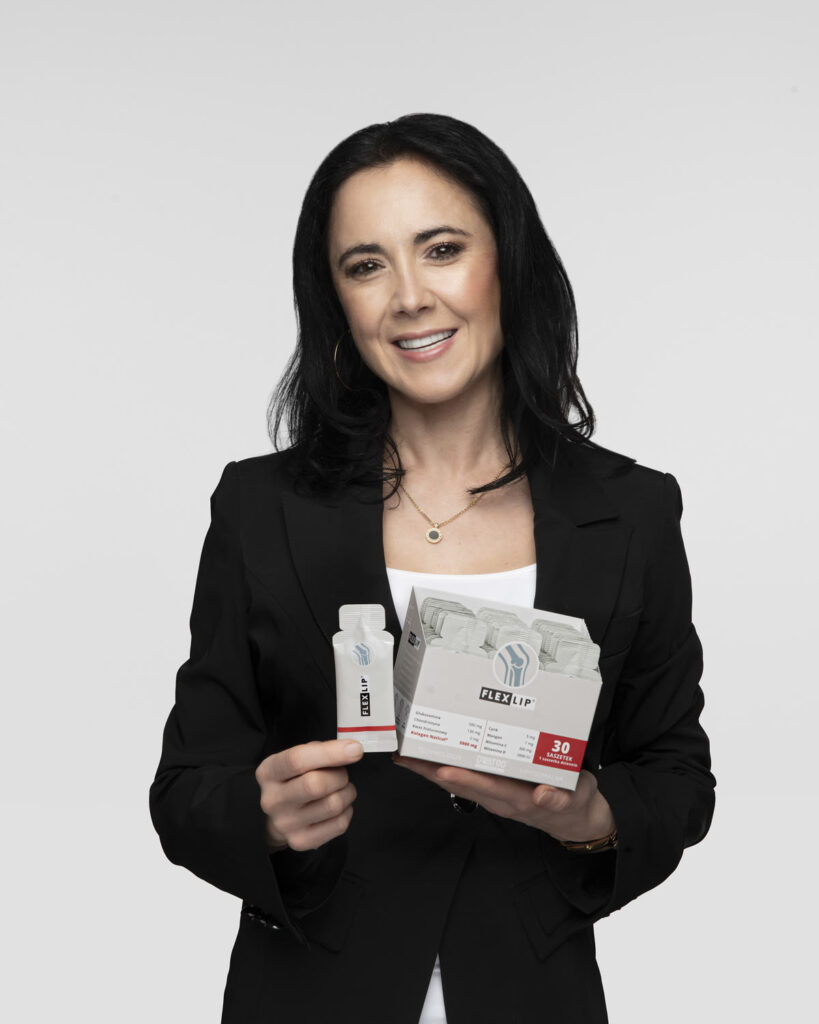
My name is Dorota Wątróbska-Świetlikowska, I am a pharmacist and a scientist holding a habilitated doctorate in pharmaceutical sciences. I decided to combine my scientific knowledge and my experience in order to create dietary supplements of the highest quality.
My passion and main area of research are submicron dispersion systems, such as submicron emulsions, liposomes and lipospheres. After obtaining my doctorate, I turned my attention to the practical aspects of parenteral nutrition, bringing together the needs of the patient and the possibilities open to the pharmacist. Quality, safety and efficacy matter most to me , which is visible both in my scientific work and in my approach to creating Dwatro Laboratories® supplements.