Flavonoids – bioactive plant compounds of key importance for health
Flavonoids – bioactive plant compounds of key importance for health
What are flavonoids and why are they so important?
Flavonoids are a broad group of natural chemical compounds belonging to the polyphenols, commonly occurring in the plant world. It is they that are responsible for the intense colours of fruits, vegetables and flowers, and at the same time they perform a protective function for plants, shielding them against UV radiation, pathogens and environmental stress. For the human body flavonoids are of enormous biological importance, because they support the defence mechanisms of cells, regulate inflammatory processes and influence metabolic balance. Their action is subtle, yet long-lasting, which is why they are regarded as one of the pillars of health prevention.
How do flavonoids act on the body?
Once consumed, flavonoids interact with many biochemical pathways. They act as strong antioxidants, neutralising free radicals and protecting cellular structures against damage. At the same time they modulate the activity of the enzymes responsible for detoxification and for the regulation of inflammatory states. Flavonoids also influence the functioning of blood vessels, improving their elasticity and supporting proper blood flow. Their action does not rely on a single mechanism, but on the synergy of many processes which together strengthen the body's resistance to stress factors.
The main classes of flavonoids
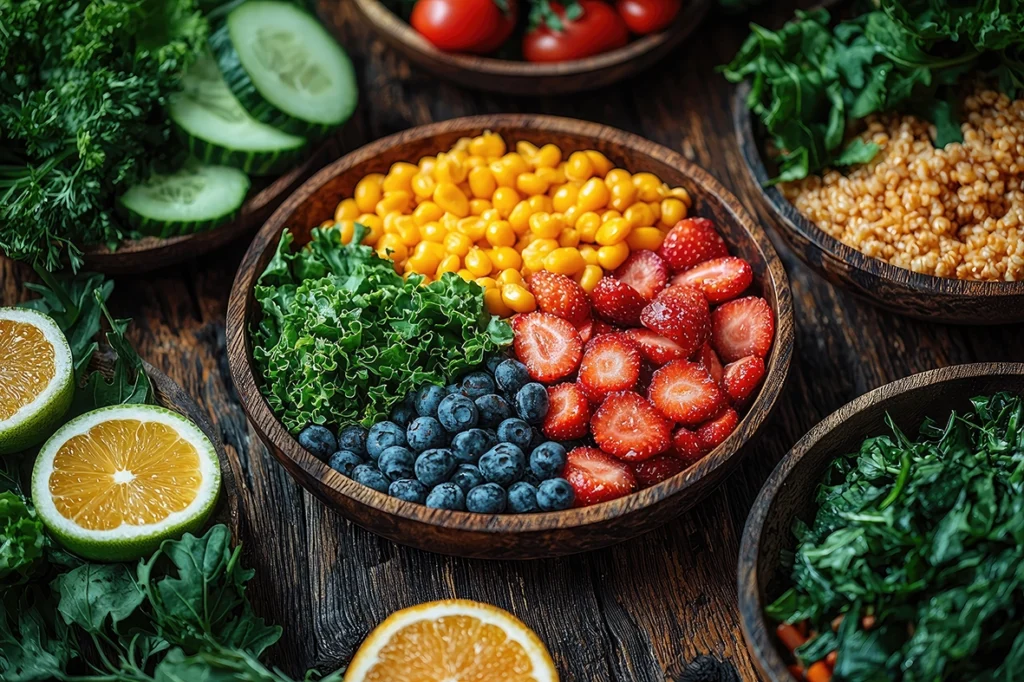
Flavonoids are divided into several subgroups differing in chemical structure and in their range of action. The most important include flavonols, flavones, flavanones, isoflavones and anthocyanins. Flavonols, such as quercetin, are known for their anti-inflammatory action and their protective effect on blood vessels. Flavanones occur mainly in citrus fruits and support metabolism. Anthocyanins, which give fruits their red and purple colour, show strong antioxidant properties and support the health of the eyes and of the brain. Each group of flavonoids brings different benefits, which is why the diversity of a plant-based diet is of key importance.
Flavonoids and oxidative stress
Oxidative stress is one of the main factors accelerating ageing processes and favouring the development of lifestyle diseases. Flavonoids effectively limit its consequences, stabilising reactive oxygen species and protecting DNA, lipids and proteins against damage. Importantly, flavonoids not only neutralise free radicals, but also stimulate the body's internal antioxidant systems, which ensures long-lasting cellular protection.
The importance of flavonoids for the circulatory system
One of the best documented areas of flavonoid action is support for the cardiovascular system. These compounds improve the functioning of the vascular endothelium, reduce the aggregation of blood platelets and protect LDL lipoproteins against oxidation. Regular consumption of flavonoids is associated with a lower risk of hypertension, atherosclerosis and circulatory disorders. Thanks to this, flavonoids are considered an important element of a diet supporting a healthy heart.
Flavonoids and the functioning of the brain
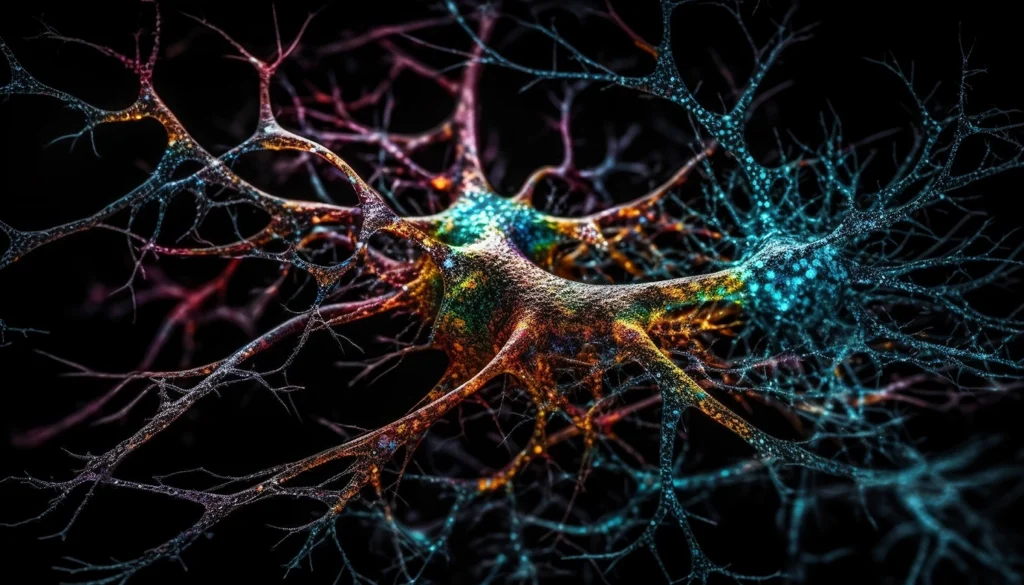
More and more studies point to the beneficial influence of flavonoids on the nervous system. These compounds improve cerebral microcirculation, support neuroplasticity and protect neurons against oxidative stress. Flavonoids may influence cognitive processes such as memory and concentration, and support the resistance of the brain to degenerative processes. Their action is particularly important in the context of the ageing of the nervous system.
The influence of flavonoids on the skin
The skin is one of the organs most exposed to the action of free radicals and UV radiation. Flavonoids support its protection, strengthen the epidermal barrier and slow down ageing processes. Thanks to their anti-inflammatory and antioxidant properties they contribute to improving the elasticity of the skin, evening out its tone and reducing the signs of fatigue. Flavonoids also support the synthesis of collagen, which translates into a better structure of the skin.
Bioavailability of flavonoids and the importance of technology
One of the challenges connected with flavonoids is their limited bioavailability. Many of these compounds undergo rapid metabolism or are poorly absorbed. For this reason modern supplementation increasingly makes use of technologies improving absorbability, such as encapsulation, phospholipid complexes or liposomal dispersions. Thanks to them, flavonoids can reach cells more effectively and display the full extent of their biological action.
Flavonoids in DWATRO Laboratories supplements
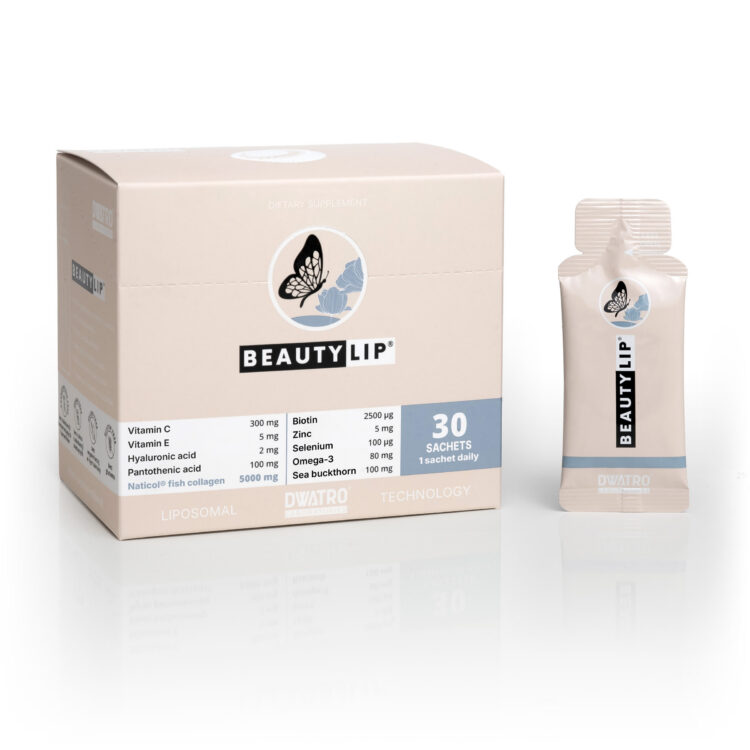
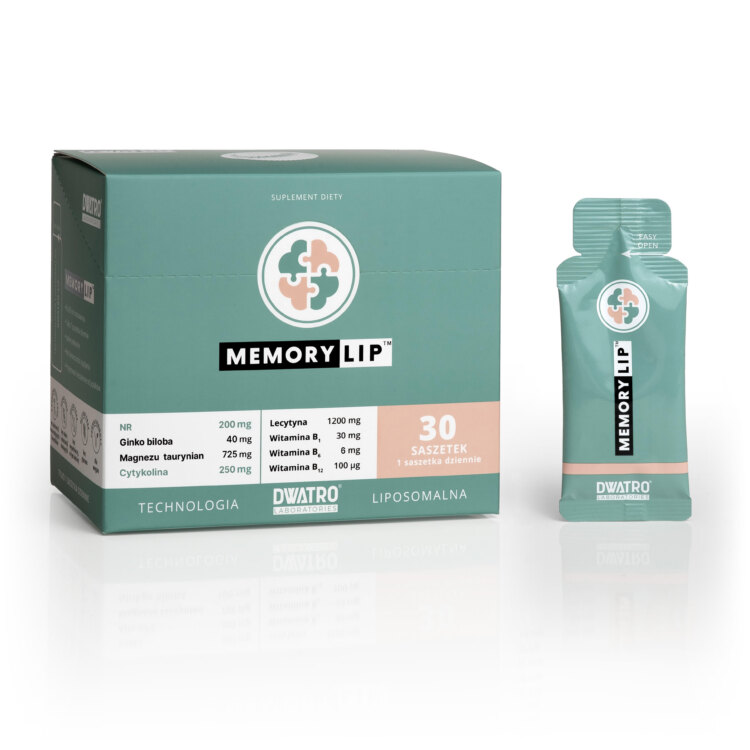
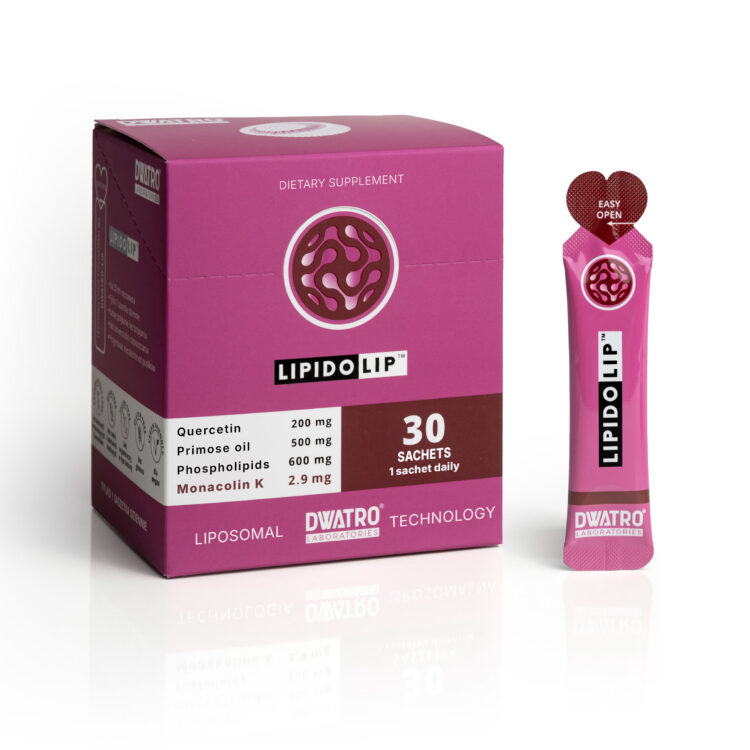
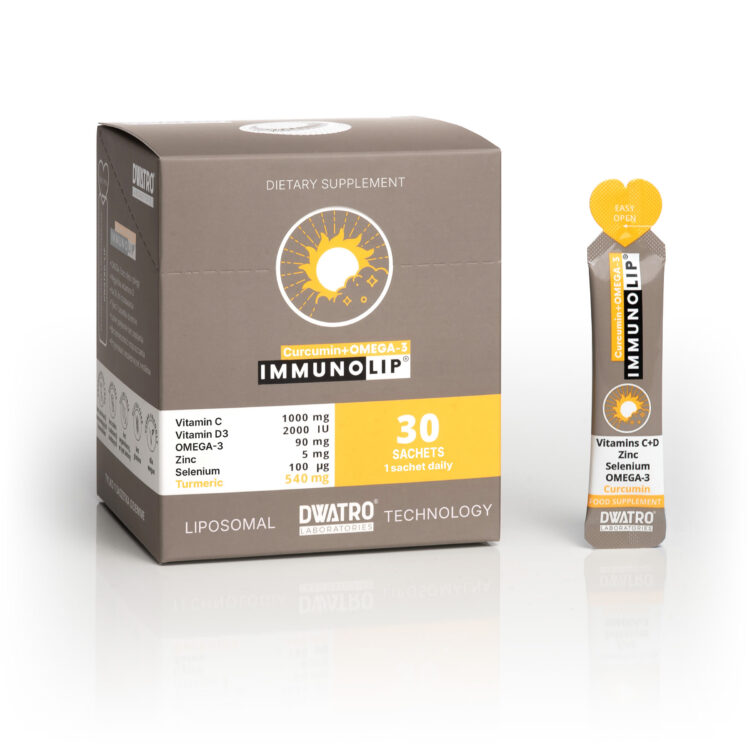
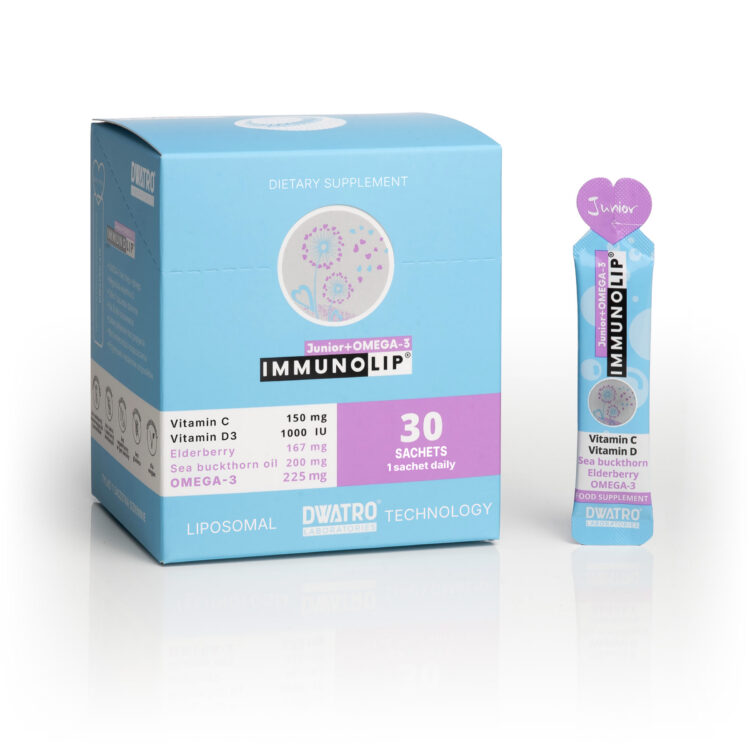
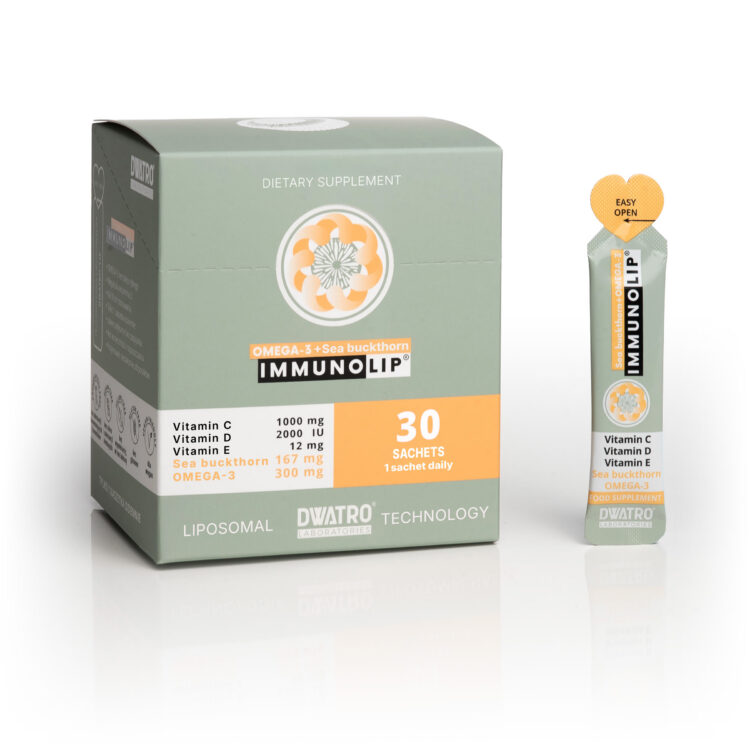
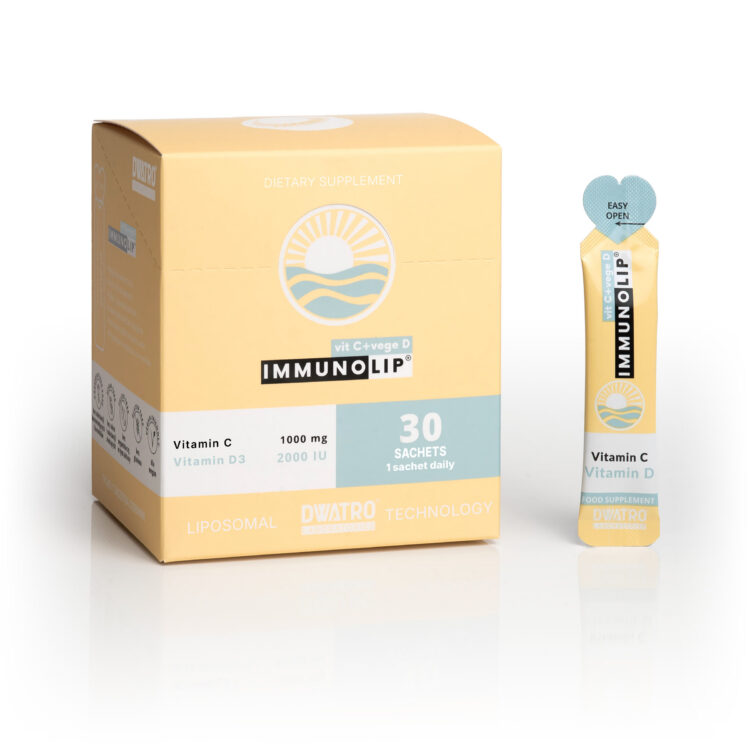
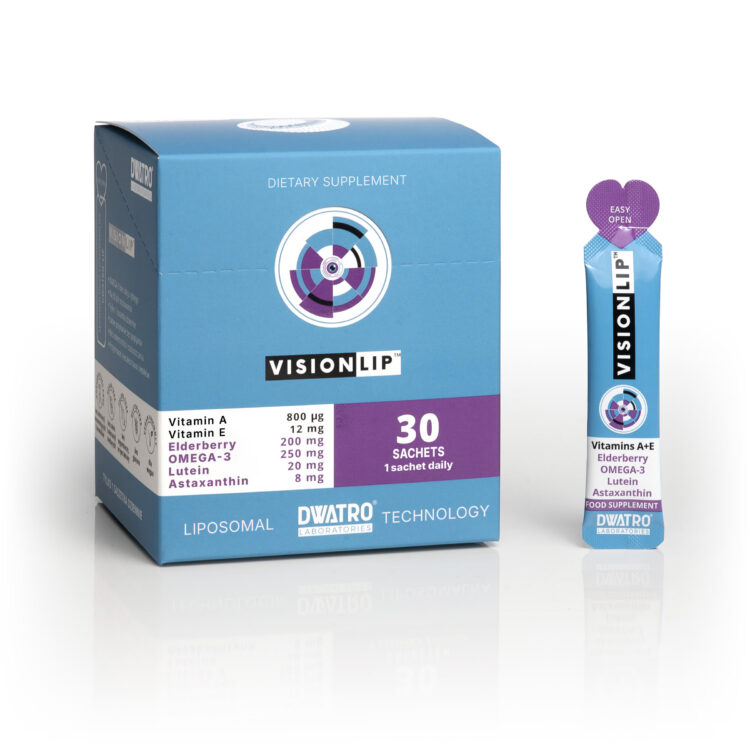
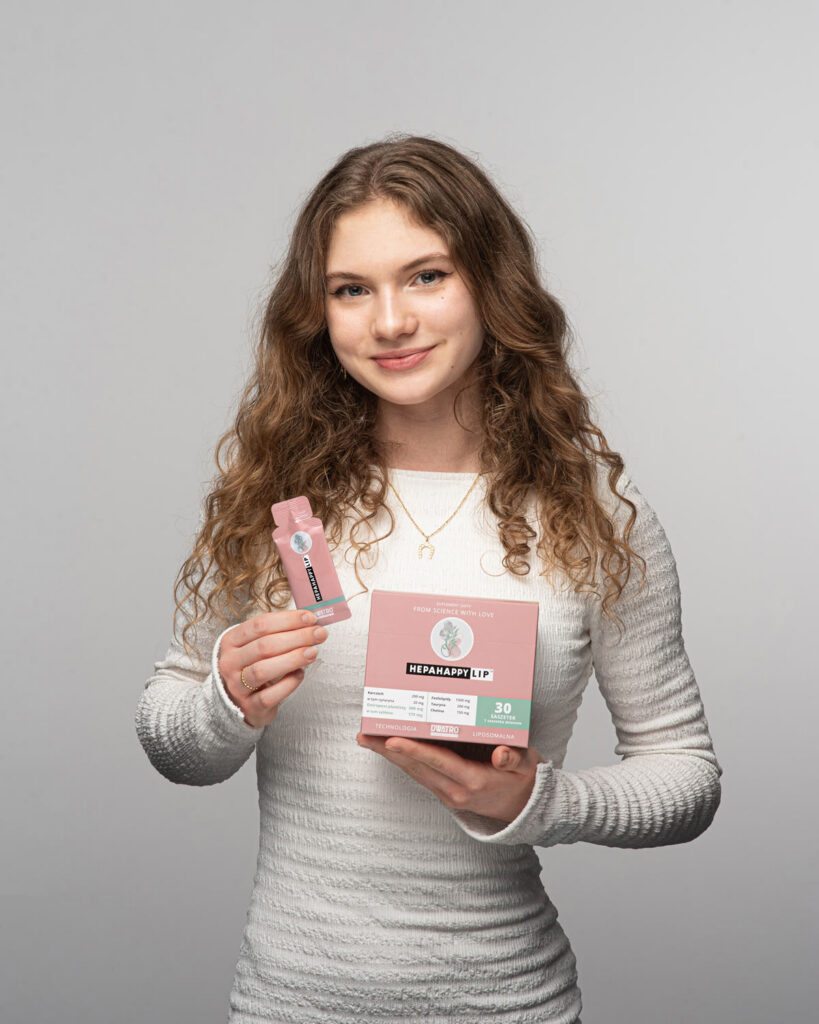
The brand DWATRO Laboratories uses flavonoids derived from high-quality plant extracts in its advanced supplementation formulas. Thanks to DWATRO®LIP technology, bioactive plant compounds are characterised by increased stability and bioavailability. DWATRO Laboratories products combine flavonoids with vitamin C, zinc, collagen and other ingredients supporting cellular health, immunity and the condition of the skin.
Flavonoids and the intestinal microbiome
Flavonoids also act on the intestinal microbiome, influencing the composition and activity of intestinal bacteria. Some of them are metabolised by the microflora, and the metabolites that are formed show additional health-promoting action. Thanks to this, flavonoids support intestinal balance, which translates into better digestion, immunity and regulation of inflammatory processes throughout the body.

Summary
Flavonoids are an exceptionally important group of phytochemicals which support the body on many levels – from protecting cells against oxidative stress, through support for the circulatory system and the brain, to improving the condition of the skin. Their effectiveness depends on regular consumption and on appropriate bioavailability. Modern supplementation technologies, such as the liposomal DWATRO®LIP systems, make it possible to use the potential of flavonoids more fully. They constitute one of the key elements of contemporary health prevention and of conscious care for the long-term health of the body.
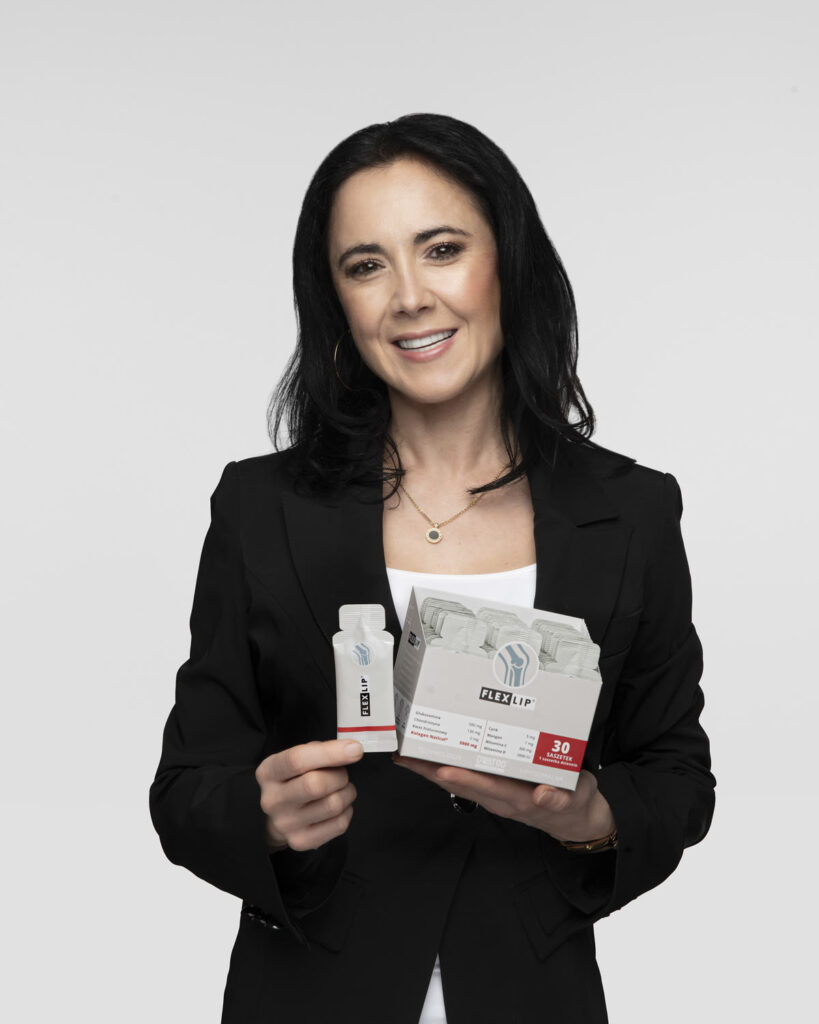
My name is Dorota Wątróbska-Świetlikowska, I am a pharmacist and a scientist holding the degree of habilitated doctor of pharmaceutical sciences. I decided to combine my scientific knowledge and experience in order to create dietary supplements of the highest quality.
My passion and main area of research are submicron dispersion systems, such as submicron emulsions, liposomes and lipospheres. After obtaining my doctoral degree, I turned my attention to the practical aspects of parenteral nutrition, combining the needs of the patient with the possibilities available to the pharmacist. What matters most to me is quality, safety and effectiveness, which is visible both in my scientific work and in my approach to creating supplements by Dwatro Laboratories®.