What are amino acids? The key to how the body functions and to supplementation
What are amino acids? The key to how the body functions and to supplementation
An introduction to the world of amino acids
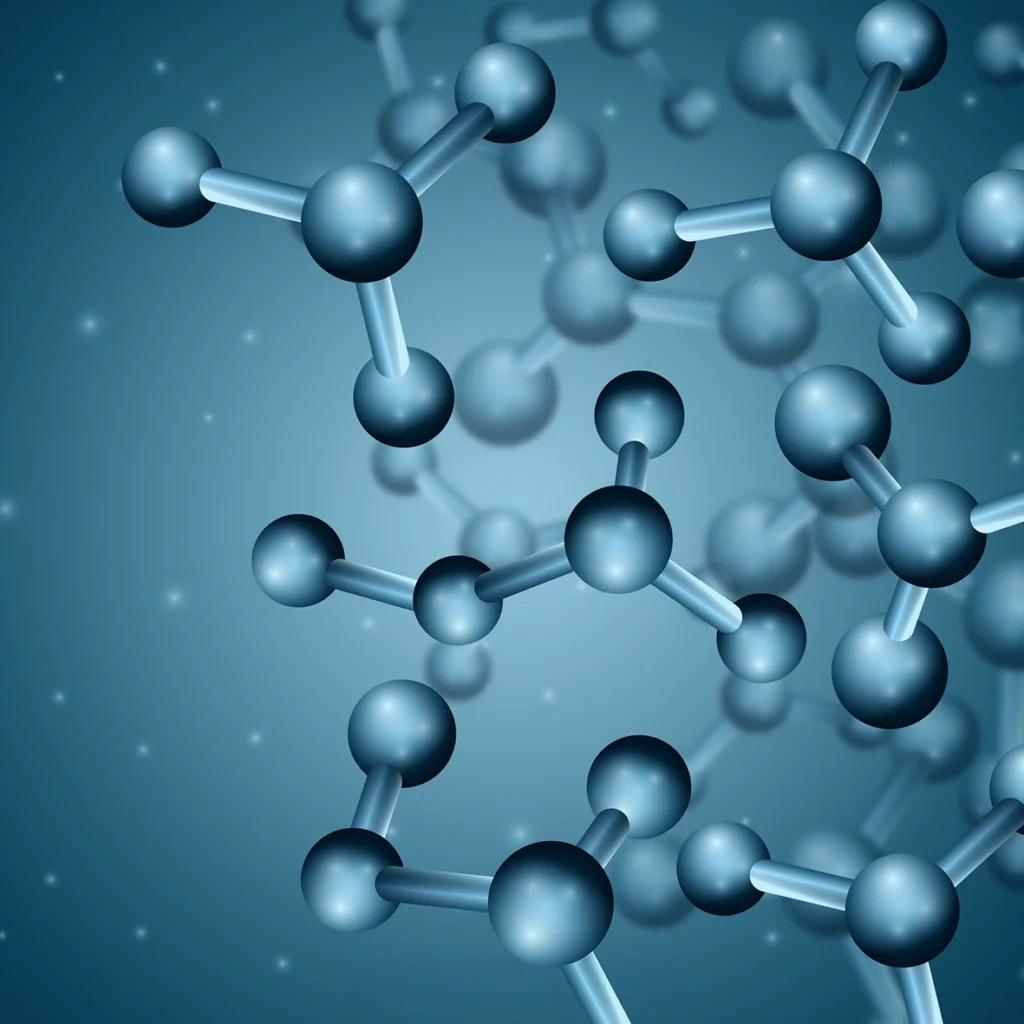
Amino acids are organic chemical compounds that form the basic building material of proteins – substances essential to the life of every cell. Without amino acids it would be impossible not only to build muscle, but also for the nervous system to work properly, or for hormones and digestive enzymes to be produced. From the perspective of biology and medicine, amino acids are the foundations of how the body functions.
In total, more than 500 amino acids have been identified, but 20 standard ones are crucial for humans, of which 9 are exogenous amino acids – that is, ones that have to be supplied with food, because the body is unable to synthesise them on its own.
Classification of amino acids – exogenous and endogenous
Exogenous amino acids
Exogenous amino acids include, among others, leucine, isoleucine, valine, lysine, methionine, phenylalanine, threonine, tryptophan and histidine. They are essential for maintaining health and for the proper regeneration of the body. Deficiencies of these compounds may lead to weakness, metabolic disorders and even to reduced immunity.
Endogenous amino acids
Endogenous amino acids, in turn, such as alanine, asparagine or glutamine, can be synthesised by the body on its own. Their presence is still important – particularly in conditions of stress, illness or intense physical exertion, where the requirement increases.
Conditionally exogenous amino acids
It is also worth mentioning the group of conditionally exogenous amino acids, which include arginine, cysteine and tyrosine. Under normal conditions the body produces sufficient amounts of them, but in the case of injuries, illnesses or increased physical exertion, additional support from the diet or from supplementation may be necessary.
The role of amino acids in the body
Amino acids perform many important physiological functions:
- Building proteins: they are the basic structural component of tissues, muscles, skin, hair and nails.
- Production of enzymes and hormones: they make digestion and the regulation of metabolic processes possible, among other things.
- Supporting the immune system: some amino acids, such as glutamine, play an important role in the defence against pathogens.
- Regulation of neurotransmitters: tryptophan and tyrosine are precursors of serotonin and dopamine, which are responsible for mood and concentration.
- Transport of nutrients: they take part in transporting minerals and vitamins in the bloodstream.
In the world of sport, amino acids – and especially the so-called BCAAs (leucine, isoleucine, valine) – have gained particular popularity. They help muscles regenerate faster, reduce the feeling of fatigue and support the building of muscle mass. BCAAs are often supplemented in the form of powder, capsules or isotonic drinks.
Another amino acid that is popular among athletes is glutamine, which supports immunity and regeneration after intense training sessions. Arginine, on the other hand, supports blood flow and the production of nitric oxide, improving physical performance.
Sources of amino acids in the diet
Amino acids occur naturally in protein-rich products. Their richest sources are:
- Meat and fish – e.g. chicken, beef, salmon
- Eggs and dairy – eggs, curd cheese, hard cheese
- Legumes – lentils, beans, chickpeas
- Nuts and seeds – almonds, flaxseed
- Soy products – tofu, tempeh, soy milk
- Wholegrain cereals – oats, quinoa
It is worth making sure that meals are varied, so as to supply all the essential amino acids. A plant-based diet can also be complete, provided that proteins are combined appropriately (e.g. legumes + cereals).
Amino acids in dietary supplements
Amino acid supplements are widely used in sports and clinical dietetics, and among people following an elimination diet. Their usual forms are:
- BCAAs and EAAs (amino acid complexes)
- Single-ingredient preparations (e.g. L-glutamine only)
- Protein hydrolysates – forms that are absorbed more quickly
- Preparations for children and seniors – supporting development or regeneration
It is important, however, that their use should be justified and preferably discussed with a dietitian or a doctor.
Summary
Amino acids are not only the building blocks of proteins – they are key regulators of metabolic, immunological and neurological processes. Their role cannot be overestimated, both in everyday functioning and in situations that call for intensive regeneration of the body. Regardless of lifestyle – active, professional or convalescent – it is worth ensuring an appropriate supply of amino acids from the diet or from supplementation. This is one of the pillars of health and of the body's good condition.

My name is Dorota Wątróbska-Świetlikowska, I am a pharmacist and a scientist holding a habilitated doctorate in pharmaceutical sciences. I decided to combine my scientific knowledge and my experience in order to create dietary supplements of the highest quality.
My passion and main area of research are submicron dispersion systems, such as submicron emulsions, liposomes and lipospheres. After obtaining my doctorate, I turned my attention to the practical aspects of parenteral nutrition, bringing together the needs of the patient and the possibilities open to the pharmacist. Quality, safety and efficacy matter most to me , which is visible both in my scientific work and in my approach to creating Dwatro Laboratories® supplements.