Sugar – what it is and how it affects the human body

Sugar – what it is and how it affects the human body
The definition of sugar and its basic types
Sugar is a general term for a group of simple carbohydrates which fulfil the role of a source of energy for the body. Most often this term refers to sucrose, that is a disaccharide composed of glucose and fructose, which is obtained mainly from sugar cane and sugar beet. Apart from it there are other simple sugars, such as glucose and fructose, and also complex sugars present in plant products. Sugar is of significant technological and culinary importance – it is responsible not only for a sweet taste, but also for the structure and shelf life of many dishes.
The role of sugar in metabolism
Sugars constitute the basic energy fuel for the body. Glucose is the main substrate used by the cells to produce energy in the process of cellular respiration. It supports the correct work of the brain, the muscles and other organs. However, an excessive supply of sugar, especially in a highly processed form, leads to metabolic disorders, insulin resistance and the development of lifestyle diseases. The proper balance between the consumption and the expenditure of energy is crucial for maintaining health.

The consumption of sugar in the modern diet
The contemporary diet abounds in simple sugars, mainly because of the popularity of sweetened drinks, sweets and ready-made products. The World Health Organization recommends that the amount of simple sugars should not exceed 10 per cent of the total daily energy, and optimally it should be below 5 per cent. Unfortunately, in many countries the average consumption is considerably higher, which favours the development of overweight, obesity and type 2 diabetes.
The health effects of an excess of sugar
Excessive consumption of sugar carries numerous consequences. It leads to rapid fluctuations in the level of glucose in the blood, which causes attacks of hunger and a greater risk of overeating. A long-term diet rich in simple sugars increases the risk of obesity, diabetes, diseases of the cardiovascular system and tooth decay. The metabolic burden resulting from an excess of sugar also favours inflammatory states, which may accelerate the processes of ageing and the development of chronic diseases. Some studies also indicate a connection between a high consumption of sugar and problems with concentration and sleep.

Natural sources of sugars
Sugars occur naturally in fruit, vegetables, milk and honey. In these products they are part of a complex food matrix containing fibre, vitamins and minerals, which soften their effect on the body. Glucose and fructose in fruit are absorbed more slowly than sucrose in sweets, which reduces the risk of sudden spikes of sugar in the blood. That is precisely why natural sources of sugars are considerably more beneficial for health than refined sugar.
Alternatives to sugar
The growing awareness of consumers means that interest in healthy substitutes for sugar is increasing. Natural sweeteners include honey, maple syrup, date syrup and molasses. There are also low-calorie sweetening substances, such as stevia, erythritol and xylitol, which make it possible to limit the amount of calories in the diet. These alternatives do not cause sudden fluctuations in the level of glucose, which makes them safer for people with insulin resistance and diabetes.

Sugar and the health of the oral cavity
One of the most obvious effects of an excess of sugar is the development of tooth decay. Bacteria present in the oral cavity metabolise sugars, producing acids that destroy tooth enamel. The regular consumption of sweet snacks and drinks leads to the demineralisation of the teeth and, as a consequence, to the formation of cavities. Appropriate oral hygiene, the use of fluoride and the limitation of sugar in the diet are the foundation of dental prevention.
Supplementation and the role of DWATRO Laboratories
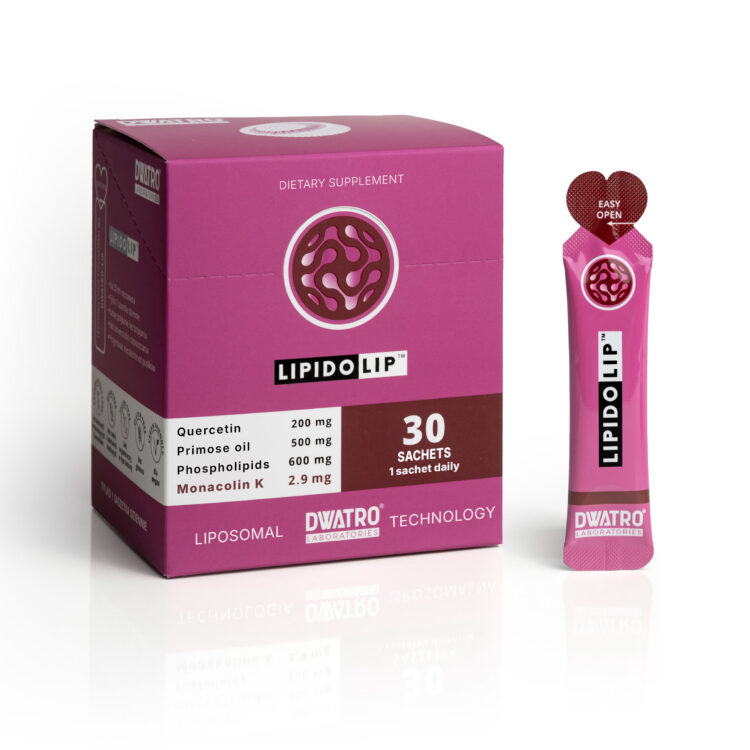
Although sugar in itself is not a component requiring supplementation, its excess in the diet often leads to deficiencies of vitamins and minerals. That is why it is worth reaching for preparations supporting metabolic balance. The DWATRO Laboratories brand offers supplements based on liposomal technology, which improve the bioavailability of components such as B group vitamins, magnesium and chromium. These substances support the regulation of the level of glucose in the blood, reduce the appetite for sweets and assist energy metabolism. Thanks to this, supplementation can be a support in limiting the negative effects of an excessive consumption of sugar.
Psychological aspects of sugar consumption
The consumption of sugar is connected not only with physiology, but also with psychology. A sweet taste activates the reward system in the brain, which means that sugar acts in an addictive way. Many people reach for sweet things in stressful situations, which leads to a vicious circle of emotional eating. Awareness of this mechanism helps in better controlling the diet and building healthy eating habits.

Summary
Sugar is a natural component of the human diet and a basic source of energy, but its excess leads to numerous health problems. The contemporary diet often contains too large amounts of refined sugar, which contributes to the development of lifestyle diseases. Sensibly limiting its consumption, choosing natural sources of sugars and using healthy substitutes are the key to maintaining metabolic balance. By supporting the body with appropriate supplementation, for example with DWATRO Laboratories preparations, one can additionally reduce the negative effects of an excess of sugar. A conscious approach to the role of sugar in the diet is not only a question of aesthetics, but above all health prevention and an investment in a better quality of life.

My name is Dorota Wątróbska-Świetlikowska, I am a pharmacist and a scientist holding the title of habilitated doctor of pharmaceutical sciences. I decided to combine my scientific knowledge and my experience in order to create dietary supplements of the highest quality.
My passion and main area of research are submicron dispersion systems, such as submicron emulsions, liposomes and lipospheres. After obtaining my doctorate, I turned my attention to the practical aspects of parenteral nutrition, combining the needs of the patient with the capabilities of the pharmacist. The most important things for me are quality, safety and efficacy , which is visible both in my scientific work and in my approach to creating supplements by Dwatro Laboratories®.