What are allergens?

What are allergens?
Definition, biological significance and impact on health
Allergens are substances that can trigger an allergic reaction in particularly sensitive people. Although they are harmless for most people, in those who are allergic they can set off an excessive reaction of the immune system. Allergens may be molecules contained in food, in plant pollen, in house dust mites, in animal hair, in medicines or in cosmetics. The common feature of all allergens is their ability to stimulate the immune system, which treats them as a potential threat.
Allergens and the immune system – how does a reaction come about?
At the moment of contact with an allergen, the body of an allergic person reacts excessively – producing IgE antibodies, which lead to the release of histamine and other inflammatory mediators. It is precisely these substances that cause the symptoms of allergy, such as:
- sneezing,
- hay fever,
- rashes,
- itching,
- swelling,
- shortness of breath,
- watering eyes.
In extreme cases anaphylactic shock occurs, which poses a direct threat to life and requires immediate medical intervention.

The most commonly occurring allergens
Allergens can be divided into several groups depending on the source of their origin:
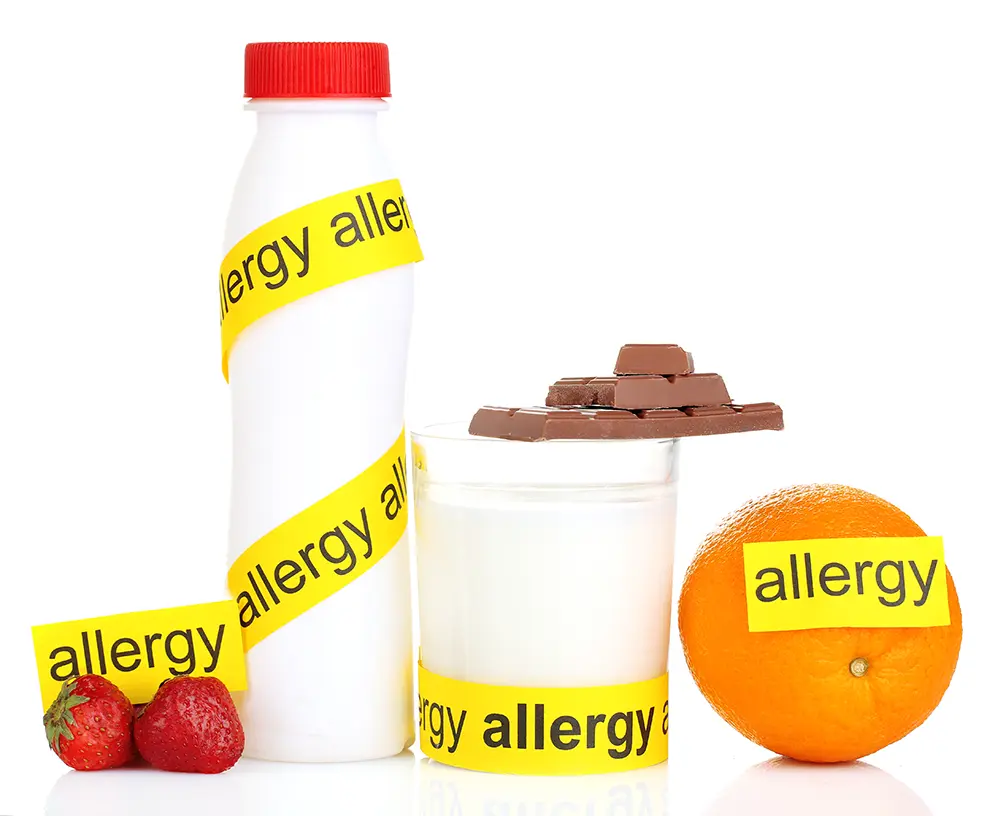
1. Food allergens
These are food components that most often cause allergies. They include, among others:
- cow's milk proteins,
- peanuts,
- crustaceans (e.g. prawns),
- fish,
- eggs,
- soy,
- gluten (gluten-containing cereals),
- celery,
- mustard
In Europe there is a list of the 14 food ingredients that most often cause allergies, which have to be clearly marked on the labels of food products – in accordance with the EU regulation.
2. Inhalant allergens:
These are substances suspended in the air:
- plant pollen (grasses, trees, weeds),
- house dust mites,
- mould spores (Alternaria, Cladosporium),
- animal hair and dander (cats, dogs),
- bird down and feathers.
3. Contact allergens:
These are chemical or natural compounds that cause allergies through contact with the skin:
- metals (e.g. nickel in jewellery),
- preservatives and dyes in cosmetics,
- latex,
- detergents and cleaning products.
4. Drug allergens (e.g. antibiotics)
Some medicines, especially antibiotics, can act as strong allergens, provoking unwanted immune reactions in sensitive people. The most common example is penicillin, but an allergy may also occur to other groups of medicines, such as:
- cephalosporins,
- sulfonamides,
- non-steroidal anti-inflammatory drugs (e.g. ibuprofen, ketoprofen),
- local anaesthetics (e.g. lidocaine),
- contrast agents used in imaging diagnostics.
Reactions to medicines may take a variety of courses – from mild skin symptoms (urticaria, itching, erythema) to severe systemic reactions, including anaphylactic shock, which may occur within the first minutes after the medicine has been administered and requires immediate medical help.
Importantly, some pseudo-allergic reactions (e.g. after aspirin) are not typical IgE-dependent immune reactions, but they can be equally violent. Moreover, a drug allergy may develop even after several days of taking the active substance, which makes diagnosis more difficult.
People with a confirmed allergy to a particular substance should always inform doctors and pharmacists of this fact. In many cases it is possible to use an alternative medicine from a different pharmacological group, and in emergency situations – to carry out desensitisation (gradual hyposensitisation under hospital supervision).
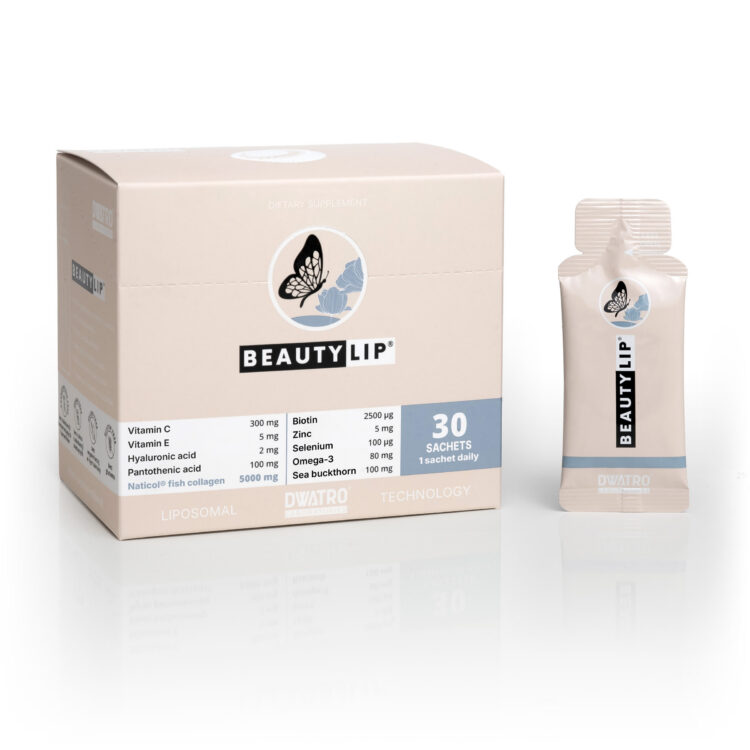
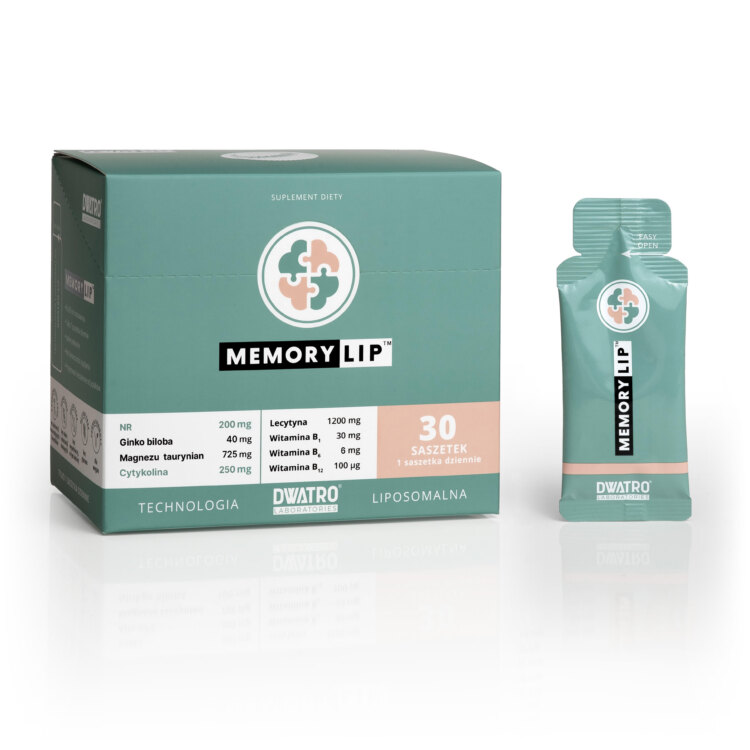
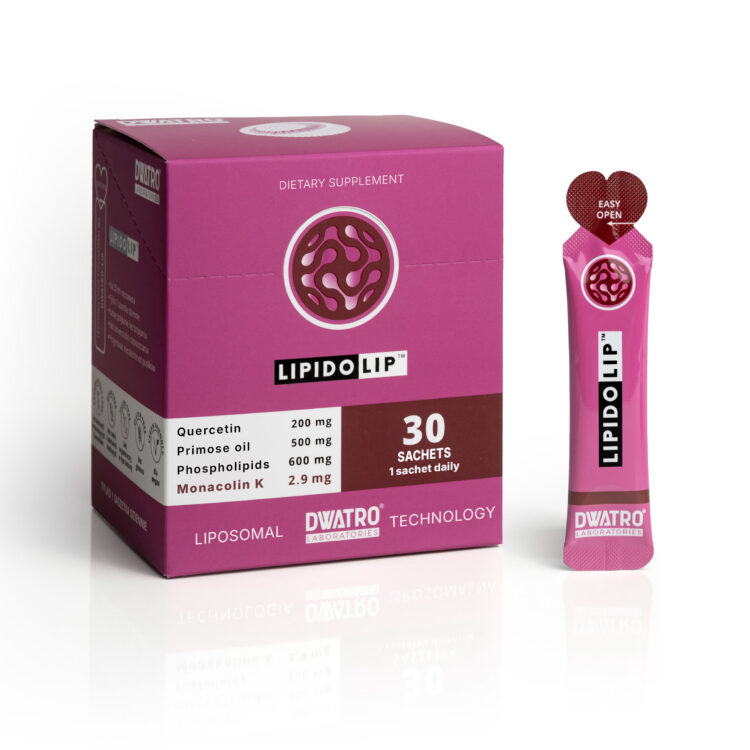
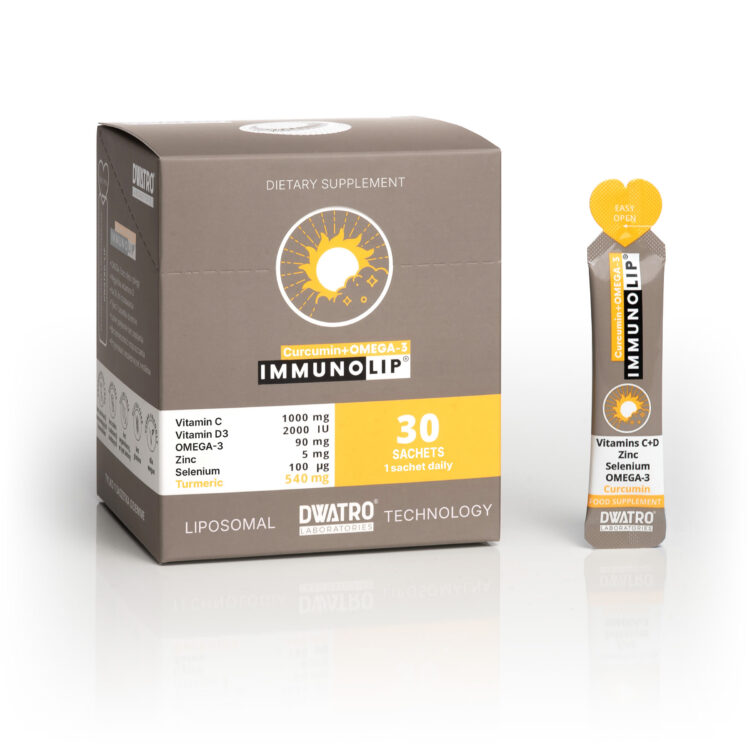
In the context of dietary supplements and cosmetics, it is also important to avoid preservatives or excipients with a known allergenic potential – e.g. azo dyes, parabens or artificial flavourings. Modern formulas – such as those developed by DWATRO Laboratories – often eliminate such risky ingredients, which makes them safer for people with a history of drug allergy.

Allergy symptoms – how can you recognise them?
The symptoms caused by allergens are varied and depend on the type of exposure and on the individual reactivity of the body. The most common symptoms include:
- itching of the skin and rashes (e.g. urticaria),
- swelling of the face, tongue and eyelids,
- sneezing, a blocked nose, a watery runny nose,
- conjunctivitis,
- difficulty breathing,
- bronchial spasm,
- digestive problems (nausea, diarrhoea, abdominal pain) after eating a food allergen.
Allergy diagnostics
It should be stressed that their quality depends on the source, on the extraction process and on any chemical modifications. DWATRO Laboratories uses exclusively purified forms of lipids of plant origin, free from contaminants and suitable for vegans.
In order to identify specific allergens, the following methods are used:
- skin prick tests (prick tests) – the most common examination in allergy clinics,
- patch tests – when a contact allergy is suspected,
- measurement of IgE antibodies in the blood (total and specific),
- elimination diet and food challenges – in the case of food allergies.
A correct diagnosis requires a thorough medical history, observation of the symptoms and the support of an allergy specialist.
How can you avoid contact with allergens?
The treatment of allergies is based on eliminating the sensitising factor and, if it proves necessary, on pharmacological treatment. Here are a few practical tips:
At home:
- regular airing and vacuuming,
- removing carpets, curtains and upholstered furniture in the case of a dust mite allergy,
- using air purifiers with a HEPA filter,
- washing bedding at a temperature of 60°C.
In the diet:
- reading the labels of food products carefully,
- avoiding restaurants where there is no certainty about the ingredients,
- consulting a dietitian when following an elimination diet.
Treatment:
- antihistamines (e.g. loratadine, cetirizine),
- glucocorticosteroids (in sprays, in ointments),
- bronchodilators,
- allergen immunotherapy (so-called desensitisation).

Allergens in cosmetics and supplements
In the case of dietary supplements and cosmetics – e.g. in the DWATRO Laboratories range – allergens may come from natural ingredients (e.g. plant extracts) or from preservatives. That is why it is very important to:
- read the INCI composition carefully (in cosmetics),
- track the presence of potential allergens (e.g. in collagens or liposomal preparations),
- look for information about the absence of allergens (e.g. “the product does not contain gluten, lactose, soy or nuts”) – this is an increasingly common element of quality certification.
Summary
Allergens are ubiquitous substances which for most of the population remain harmless, but which for allergic people represent a serious health challenge. Their presence in the surroundings, in food, in the air, in medicines, cosmetics and supplements means that consciously avoiding contact with these factors is crucial for maintaining comfort of life and for preventing dangerous immune reactions.
Understanding the mechanism by which allergens act makes it possible to protect yourself better against their effects. An allergy is not just a passing runny nose or a rash — in many cases it can lead to chronic inflammation, to complications of the respiratory or digestive system, or even to a threat to life in the form of anaphylaxis. This is precisely why a rapid diagnosis, based on allergy tests, and appropriate elimination and pharmacological management are so important.
Modern diagnostics makes it possible to detect precisely even minor hypersensitivities, and modern therapies – including specific immunotherapy (desensitisation) – allow many patients to regain their comfort of life. No less important, however, is everyday vigilance and the conscious choice of products.
In the context of a healthy lifestyle, the composition of the cosmetics, medicines and supplements we choose is becoming increasingly important. Products formulated with sensitive people in mind – free from allergens, artificial additives and sensitising preservatives – are becoming not merely a convenience, but an outright necessity. Dietary supplements such as those created by DWATRO Laboratories meet these expectations – offering clean, tested compositions that minimise the risk of allergic reactions and support the body in a safe way.
In an era of rising rates of lifestyle diseases – including allergies – education and a conscious approach to prevention are of key importance. A knowledge of allergens, the ability to identify them, avoiding exposure and choosing safe products form the foundation of modern health prevention.

My name is Dorota Wątróbska-Świetlikowska, I am a pharmacist and a scientist holding a habilitated doctorate in pharmaceutical sciences. I decided to combine my scientific knowledge and my experience in order to create dietary supplements of the highest quality.
My passion and main area of research are submicron dispersion systems, such as submicron emulsions, liposomes and lipospheres. After obtaining my doctorate, I turned my attention to the practical aspects of parenteral nutrition, bringing together the needs of the patient and the possibilities open to the pharmacist. Quality, safety and efficacy matter most to me , which is visible both in my scientific work and in my approach to creating Dwatro Laboratories® supplements.