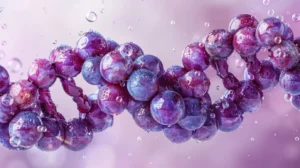
Phosphatidylcholine – a key phospholipid for cell membranes and the work of the liver
Phosphatidylcholine – a key phospholipid for cell membranes and the work of the liver
Phosphatidylcholine as the foundation of cell structure
Phosphatidylcholine is one of the most important phospholipids building the cell membranes in the human body. It constitutes the basic element of the lipid bilayer which separates the interior of the cell from the external environment and determines its integrity, elasticity and capacity for communication. It is precisely phosphatidylcholine that is responsible for the fluidity of cell membranes, enabling the proper transport of nutrients, biochemical signals and products of metabolism.
Why is phosphatidylcholine so important biologically?
Phosphatidylcholine performs not only a structural function but also a metabolic one. It is a source of choline – an ingredient indispensable for the synthesis of acetylcholine, one of the key neurotransmitters. It also takes part in the metabolism of lipids and in detoxification processes. An appropriate level of phosphatidylcholine determines the proper functioning of the cells of the liver, the brain, the nervous system and the circulatory system. Its deficiency leads to disturbances in the work of cell membranes, which affects the functioning of the entire body.

Phosphatidylcholine and liver health
One of the best known areas of the action of phosphatidylcholine is support for the liver. This compound takes part in the rebuilding of hepatocyte membranes and assists the regenerative processes in this organ. Phosphatidylcholine plays a key role in the transport of fats, preventing their excessive accumulation in the liver. It also supports the production of bile, which facilitates the digestion of lipids and the removal of toxins. For this reason phosphatidylcholine is often used as an element of support in cases of metabolic burden, a high-fat diet or long-term oxidative stress.
The role of phosphatidylcholine in the nervous system
The nervous system is particularly sensitive to the quality of cell membranes, because nerve conduction and communication between neurons depend on their integrity. Phosphatidylcholine provides choline, which is indispensable for the synthesis of acetylcholine responsible for memory, concentration and muscle control. A proper level of this phospholipid supports cognitive functions, emotional stability and the ability of the nervous system to adapt to stress.
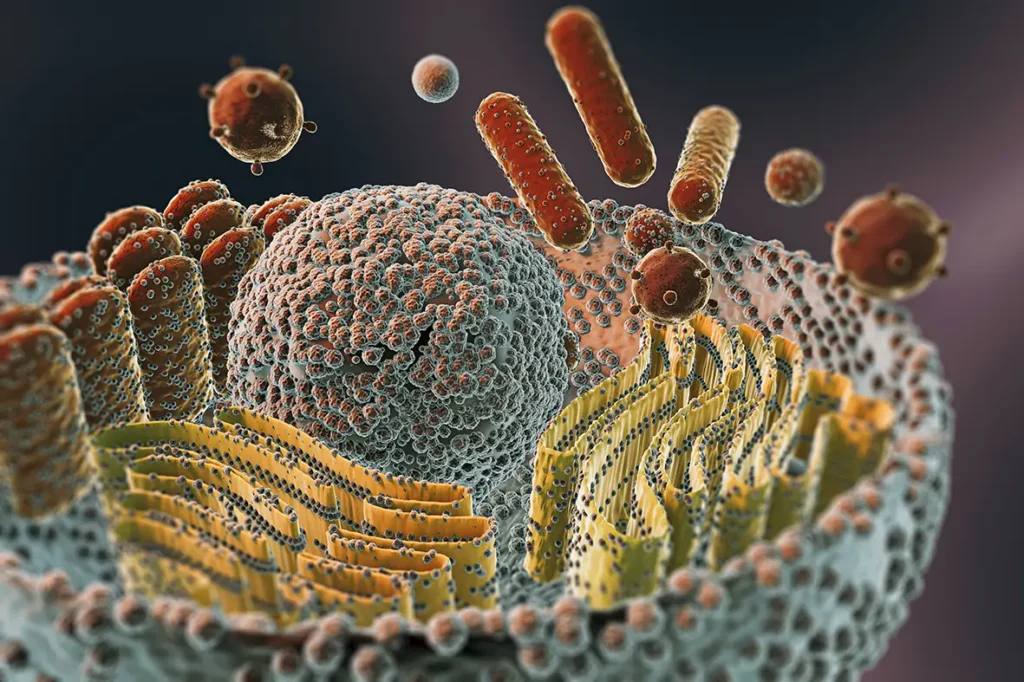
Phosphatidylcholine and lipid metabolism
Phosphatidylcholine takes part in the transport and transformation of lipids in the body. It is indispensable for the proper functioning of lipoproteins, which carry cholesterol and fatty acids in the blood. Thanks to this it supports lipid balance and prevents disorders connected with an abnormal metabolism of fats. Its presence is of importance both for the health of the blood vessels and for maintaining a proper body weight.
The importance of phosphatidylcholine for the intestines and digestion
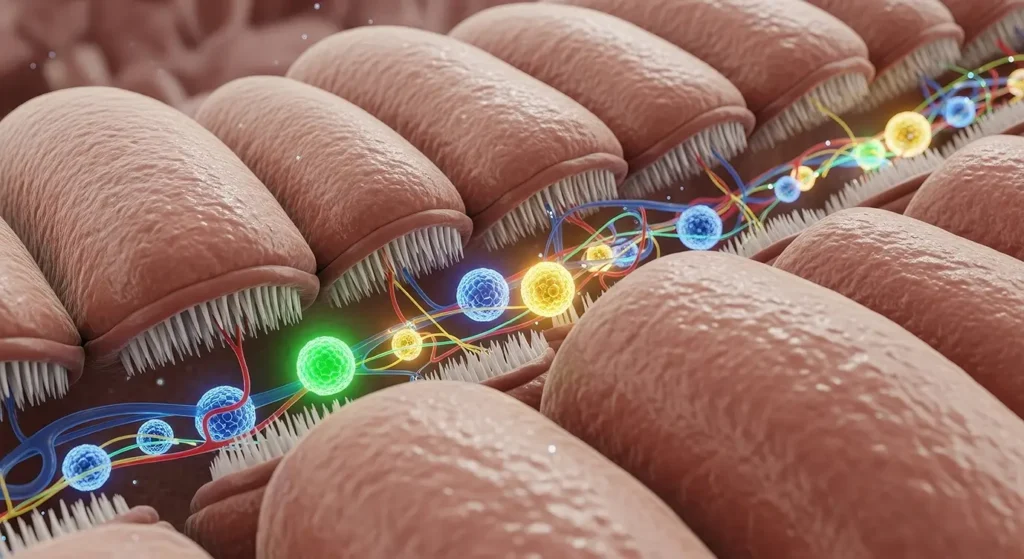
The mucous membranes of the intestines also contain phosphatidylcholine, which supports their tightness and their resistance to irritating factors. An appropriate amount of this phospholipid helps to maintain the intestinal barrier, protecting the body against the penetration of toxins and pathogens. Phosphatidylcholine also takes part in the emulsification of fats, which improves their digestion and the absorption of fat-soluble ingredients such as vitamins A, D, E and K.
Phosphatidylcholine and regenerative processes
In the course of regeneration cells intensively rebuild their membranes, which is why the demand for phosphatidylcholine increases in states of heightened stress, illness, convalescence or intense physical effort. Providing an appropriate amount of phosphatidylcholine supports repair processes, stabilises cellular structures and improves the resistance of tissues to damage.
Phosphatidylcholine in modern supplementation
In supplementation phosphatidylcholine is most often obtained from soy or sunflower lecithin. Its effectiveness depends, however, to a large extent on the form of administration. Classic forms may undergo partial degradation in the digestive tract, which is why technologies increasing bioavailability are used more and more often. The liposomal form and phospholipid dispersions allow better absorption and better use of phosphatidylcholine at the cellular level.

Phosphatidylcholine in DWATRO Laboratories products
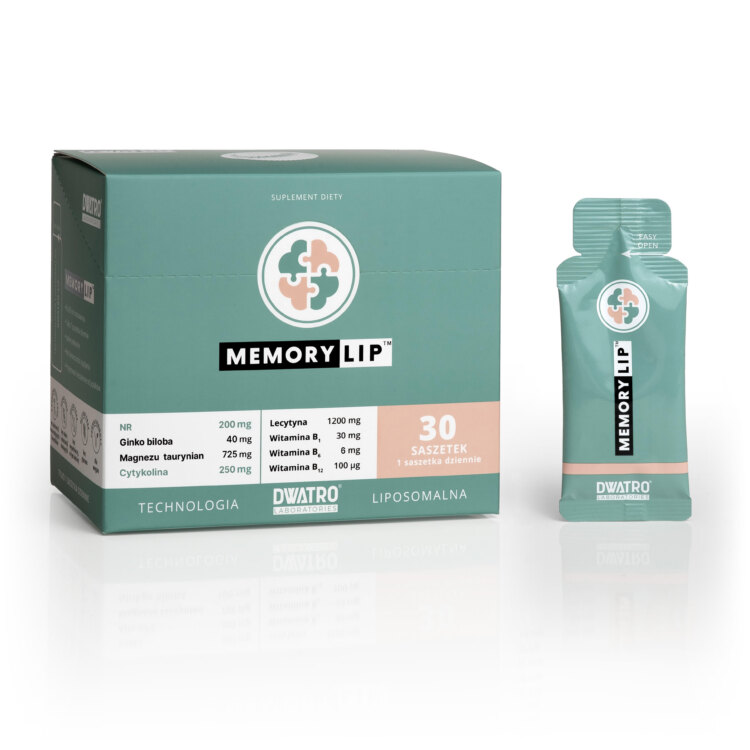
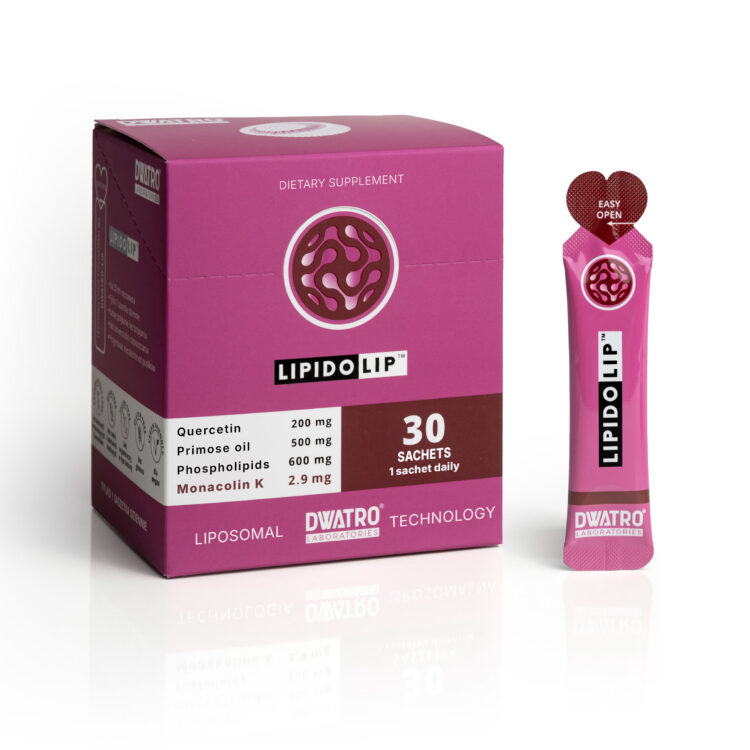
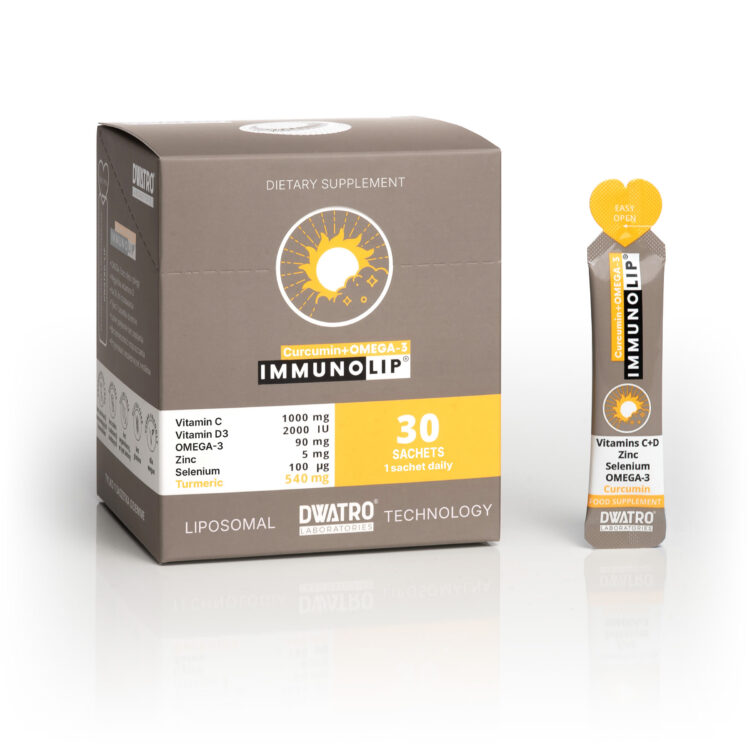
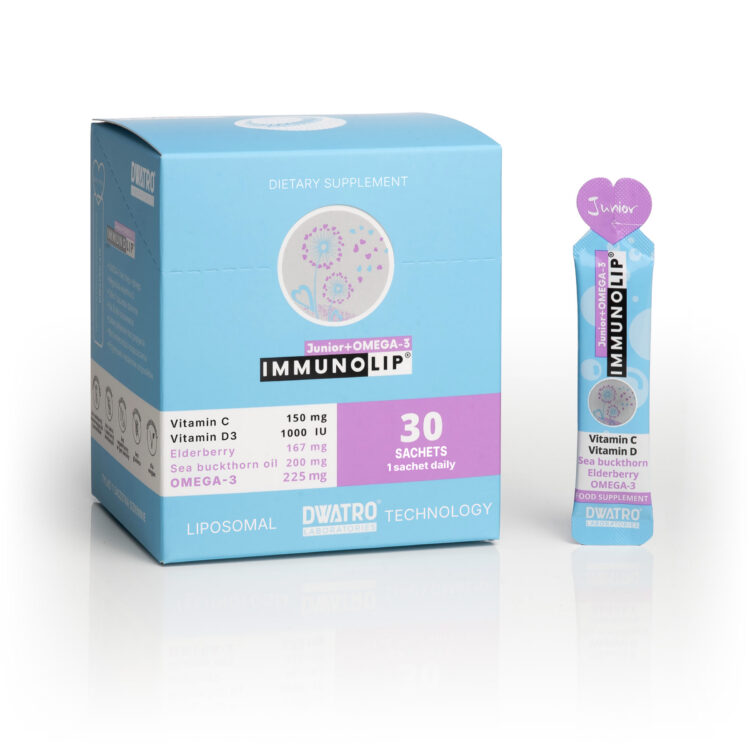
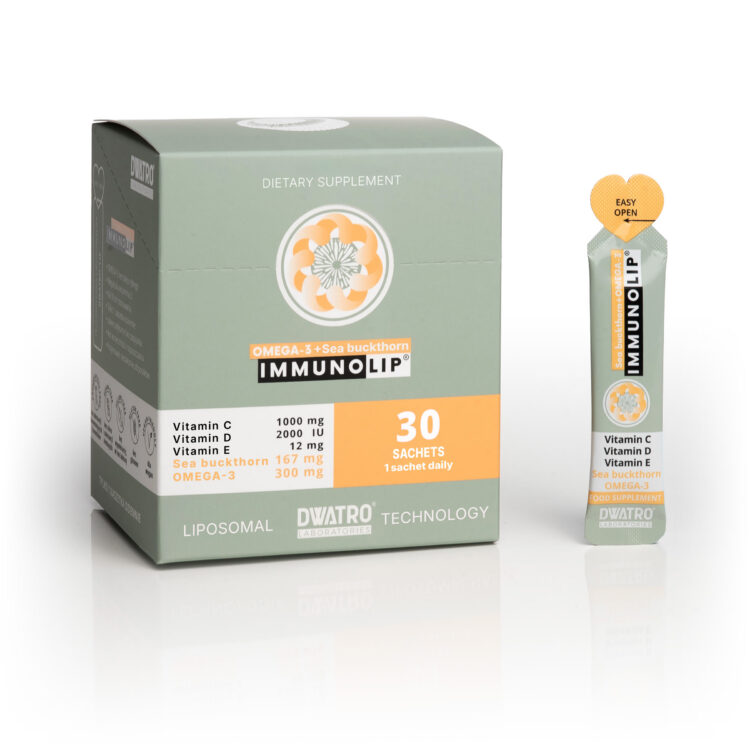
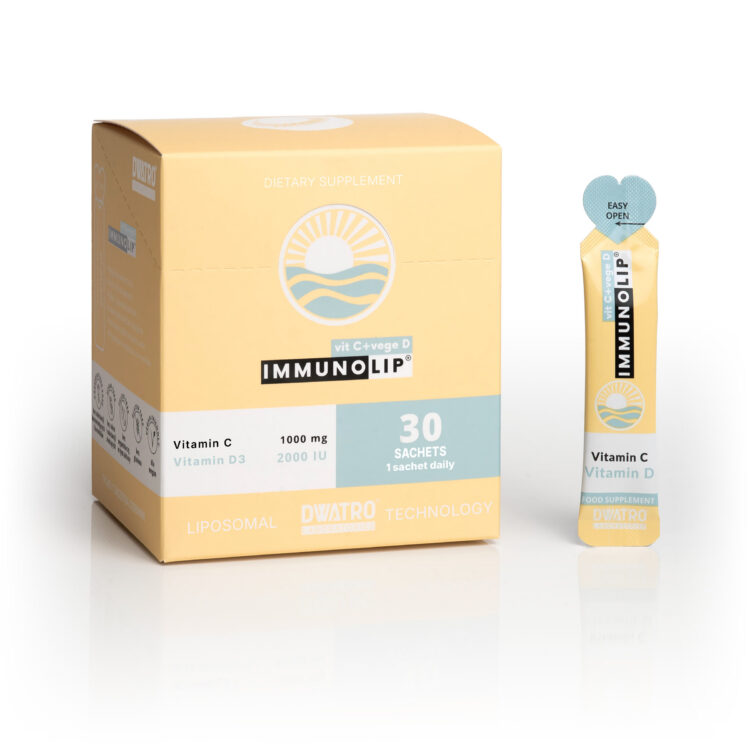
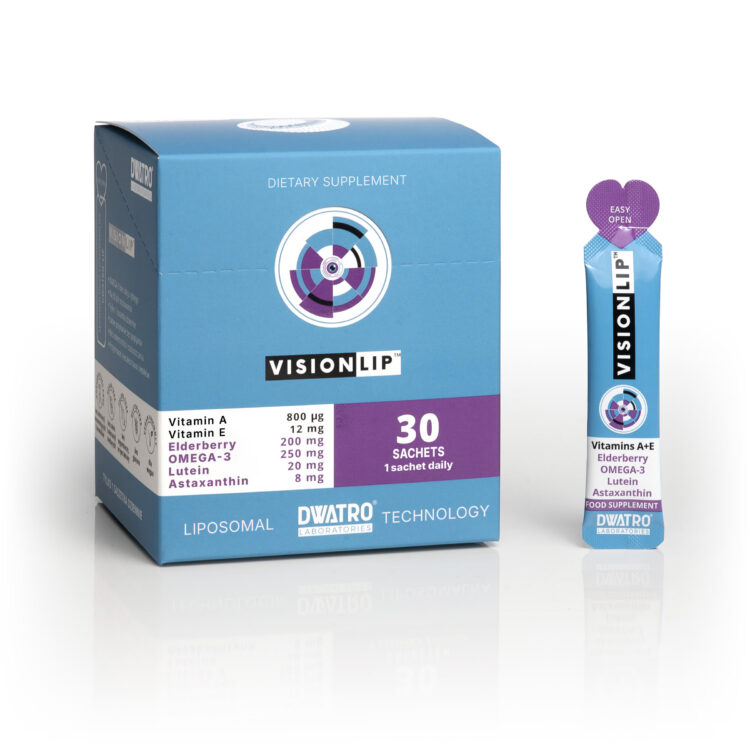
The brand DWATRO Laboratories uses phosphatidylcholine as a key element of DWATRO®LIP technology, in which it plays the role of a carrier of active ingredients. Thanks to high-quality phospholipids it is possible to create stable liposomal dispersions which increase the bioavailability of vitamins, polyphenols and coenzymes. At the same time phosphatidylcholine itself provides the body with support for cell membranes, the liver and the nervous system, making supplementation more comprehensive.
Phosphatidylcholine and cellular resistance
The integrity of cell membranes has a direct influence on the ability of cells to defend themselves against external factors. Phosphatidylcholine strengthens the structure of membranes, improving their resistance to oxidative stress and to the action of toxins. Thanks to this cells are more stable and inflammatory processes are calmed. This means that phosphatidylcholine plays an important role in long-term support for immunity at the cellular level.
Summary
Phosphatidylcholine is one of the key phospholipids determining the proper functioning of cells, the liver, the nervous system and lipid metabolism. Its role goes far beyond a structural function, covering detoxification, regeneration and intercellular communication. The effectiveness of phosphatidylcholine depends on the quality and the form of its administration, which is why modern technologies, such as DWATRO®LIP used by DWATRO Laboratories, make it possible to use its biological potential in full. Phosphatidylcholine constitutes the foundation of modern supplementation directed at cellular health and the long-term balance of the body.

My name is Dorota Wątróbska-Świetlikowska, I am a pharmacist and a scientist holding the degree of habilitated doctor of pharmaceutical sciences. I decided to combine my scientific knowledge and experience in order to create dietary supplements of the highest quality.
My passion and main area of research are submicron dispersion systems, such as submicron emulsions, liposomes and lipospheres. After obtaining my doctoral degree, I turned my attention to the practical aspects of parenteral nutrition, combining the needs of the patient with the possibilities available to the pharmacist. What matters most to me is quality, safety and effectiveness, which is visible both in my scientific work and in my approach to creating supplements by Dwatro Laboratories®.