Erythrocytes – fundamental blood cells responsible for transporting oxygen and maintaining homeostasis
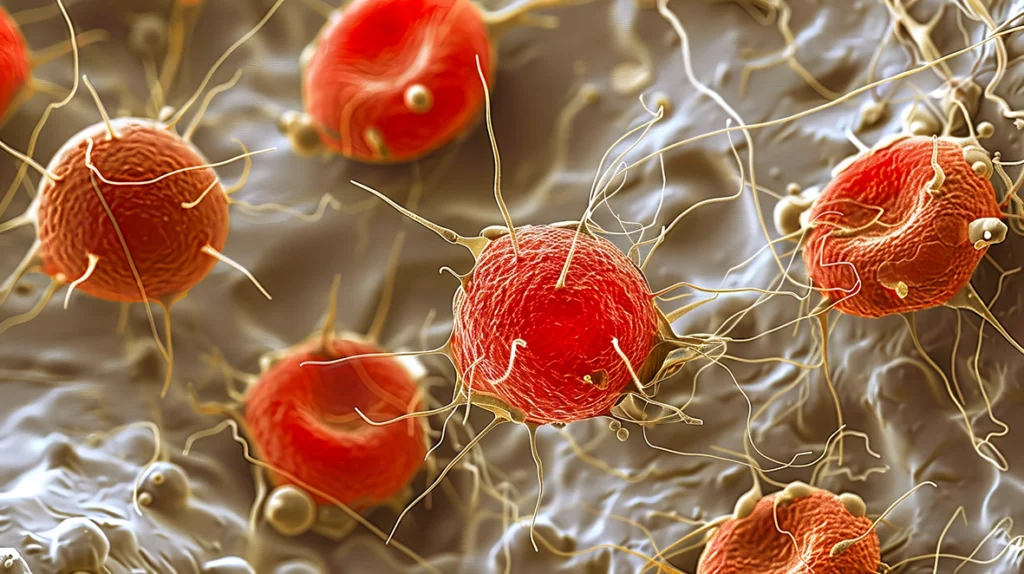
Erythrocytes – fundamental blood cells responsible for transporting oxygen and maintaining homeostasis
What erythrocytes are
Erythrocytes, that is, red blood cells, are the most numerous cells of the blood and the basic element responsible for transporting oxygen to all the tissues of the body. Their unique structure, resembling a biconcave disc, increases the surface of contact with gases and makes an effective exchange of oxygen and carbon dioxide possible. Filled with haemoglobin, erythrocytes are a key pillar of the functioning of the circulatory system, and any dysfunction of theirs is immediately reflected in health, well-being and physical capacity.
How are erythrocytes formed?
The production of erythrocytes, that is, erythropoiesis, takes place in the red bone marrow. This process is stimulated by the hormone erythropoietin, secreted mainly by the kidneys in response to a lowered concentration of oxygen in the blood. Precursor cells mature over several days, lose their nucleus and organelles, and then turn into flexible blood cells able to squeeze even through very narrow vessels. An average erythrocyte lives about 120 days, after which it is removed from the bloodstream by the spleen and the liver.
The functions of erythrocytes in the body
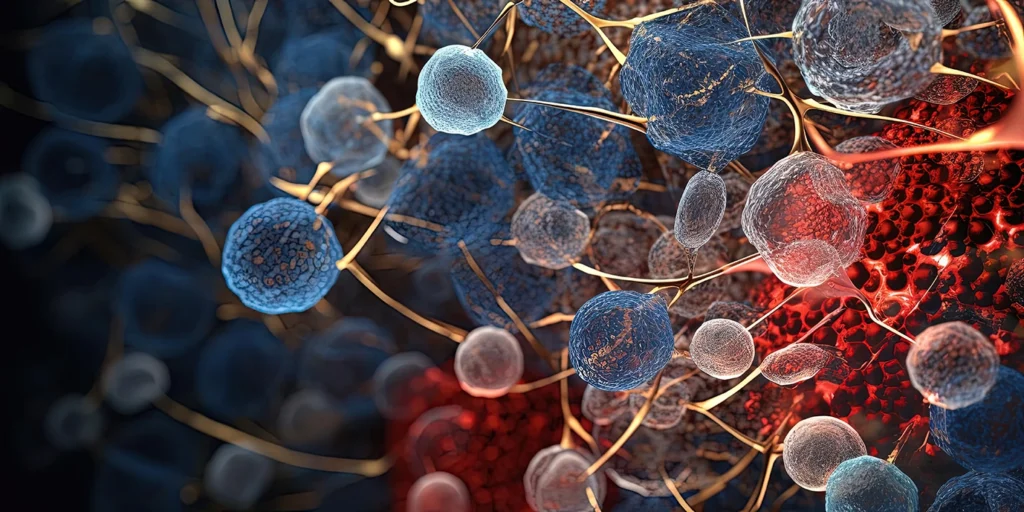
The main function of erythrocytes is transporting oxygen from the lungs to the tissues, and carbon dioxide on the way back. Haemoglobin, the protein that makes up almost their entire volume, binds oxygen molecules reversibly, thanks to which gas exchange is precisely controlled. Erythrocytes also help to regulate the pH of the blood, take part in the flow of electrolytes and are responsible for maintaining the acid–base balance. Their presence is essential for the functioning of all organs – from the muscles, through the brain, to the immune system.
Why erythrocytes have such a characteristic shape
The biconcave shape of erythrocytes increases the ratio of surface to volume, which considerably improves gas exchange. The absence of a nucleus and organelles means that the entire space inside the cell can be used for haemoglobin. The flexibility of the cell membrane allows erythrocytes to squeeze through vessels with a diameter smaller than their own. Any disturbance of the structure of the membrane or changes in the shape of erythrocytes affects their function and can lead to anaemia or other haematological disorders.
What influences the quantity and quality of erythrocytes
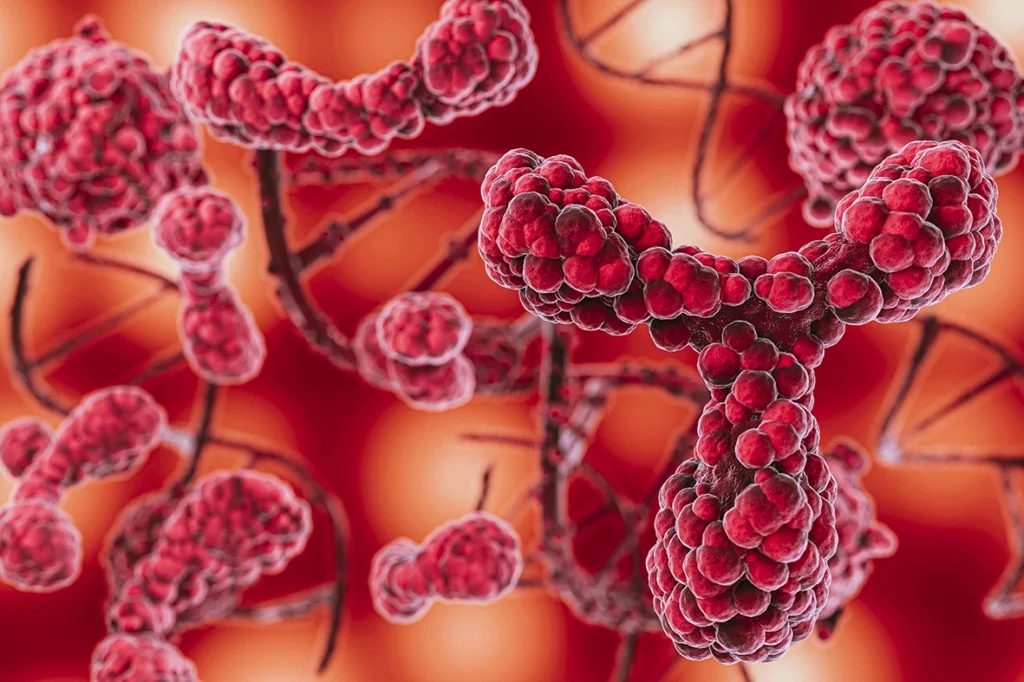
The proper production of erythrocytes depends on many factors, including the availability of iron, vitamin B12, folic acid and protein. Deficiencies of these ingredients lead to disturbances in the maturation of erythrocytes and to a lowered level of haemoglobin. Chronic diseases, inflammatory conditions, kidney diseases and absorption disorders can contribute to reducing their production. Dehydration, oxidative stress or electrolyte disturbances, in turn, can change the functioning of erythrocytes in the bloodstream.
Erythrocytes and physical capacity
The more erythrocytes and haemoglobin, the greater the body's ability to transport oxygen. For this reason athletes pay particular attention to haematological parameters. Good oxygenation of the tissues increases muscle capacity, speeds up regeneration and raises energy levels. Anaemia manifests itself as fatigue, a drop in strength, breathlessness, problems with concentration and lowered immunity. Erythrocytes are therefore a direct indicator of the metabolic condition of the body.
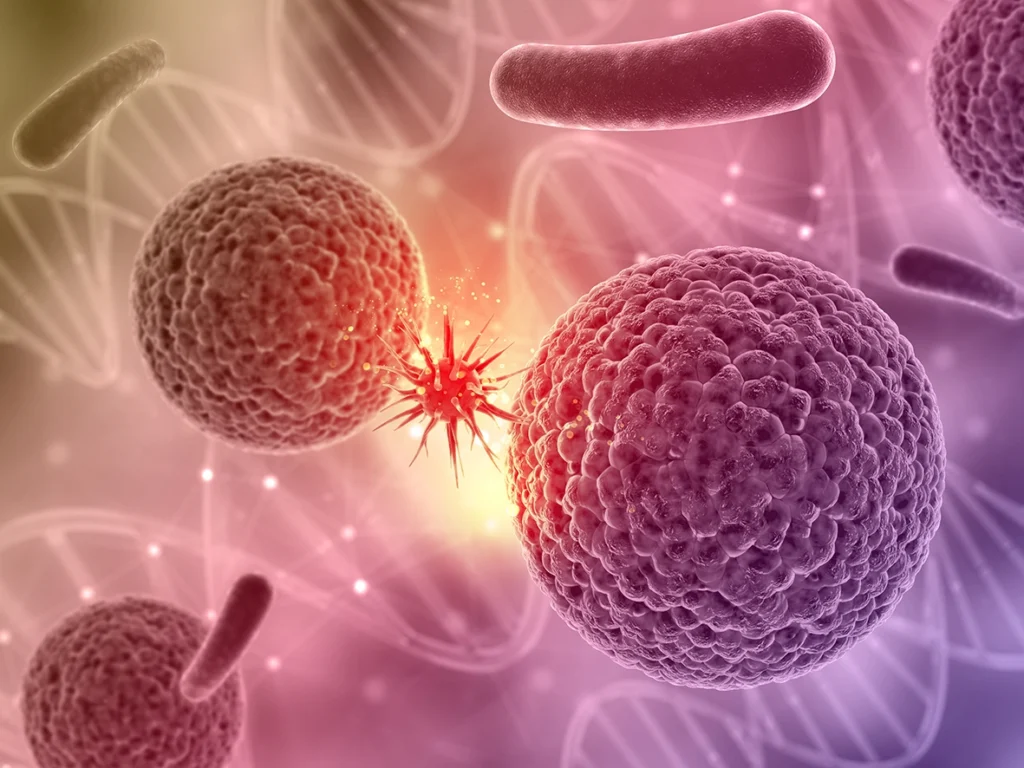
How erythrocytes protect the body against oxidative stress
Erythrocytes are exposed to constant contact with oxidising factors, which is why they possess extensive protective systems. They contain enzymes such as superoxide dismutase, catalase and glutathione peroxidase, which neutralise free radicals. Thanks to this, haemoglobin remains stable and the membrane of the erythrocytes flexible and functional. A high level of oxidative stress can, however, accelerate the degradation of erythrocytes and shorten their lifespan.
The influence of supplementation on the health of erythrocytes
Vitamin B12, folic acid, iron, vitamin C and copper are key for proper erythropoiesis. Good-quality supplements help to make up deficiencies and support the production of healthy blood cells. Antioxidants such as EGCG, resveratrol or coenzyme Q10, in turn, protect the membranes of erythrocytes against oxidative stress. Modern systems for delivering ingredients, such as liposomes, improve their absorption and effectiveness.
The role of erythrocytes in DWATRO Laboratories supplements
Vitamin B12, folic acid, iron, vitamin C and copper are key for proper erythropoiesis. Good-quality supplements help to make up deficiencies and support the production of healthy blood cells. Antioxidants such as EGCG, resveratrol or coenzyme Q10, in turn, protect the membranes of erythrocytes against oxidative stress. Modern systems for delivering ingredients, such as liposomes, improve their absorption and effectiveness.
The role of erythrocytes in DWATRO Laboratories supplements
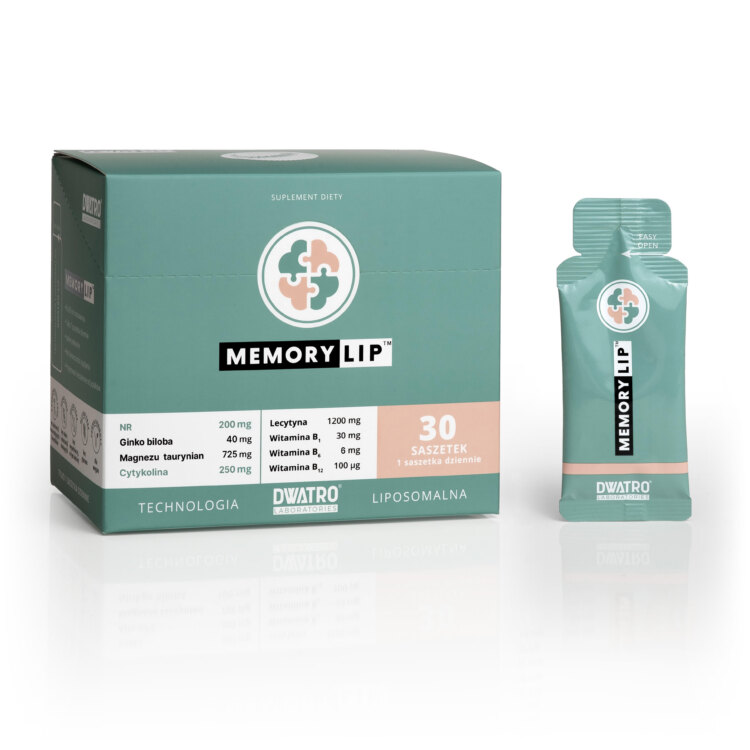
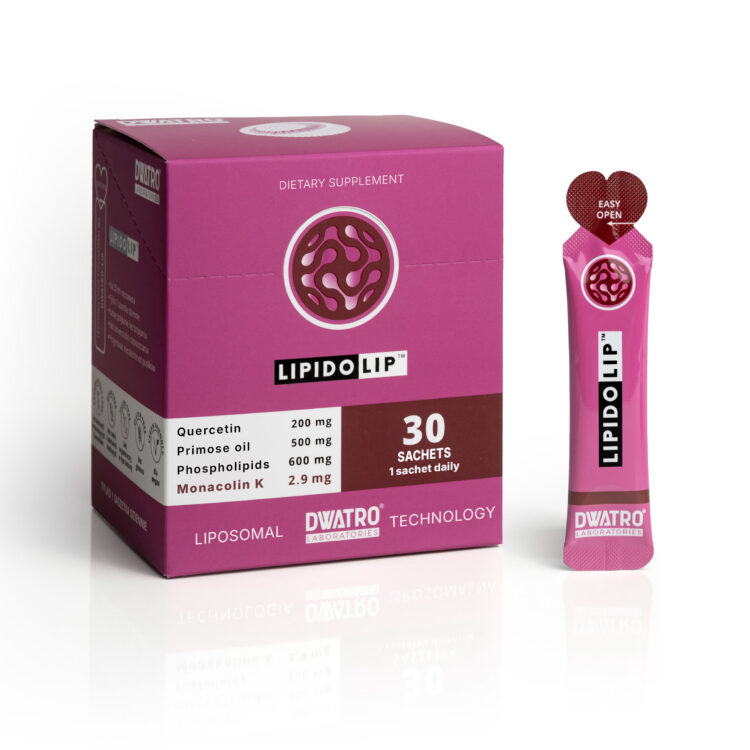
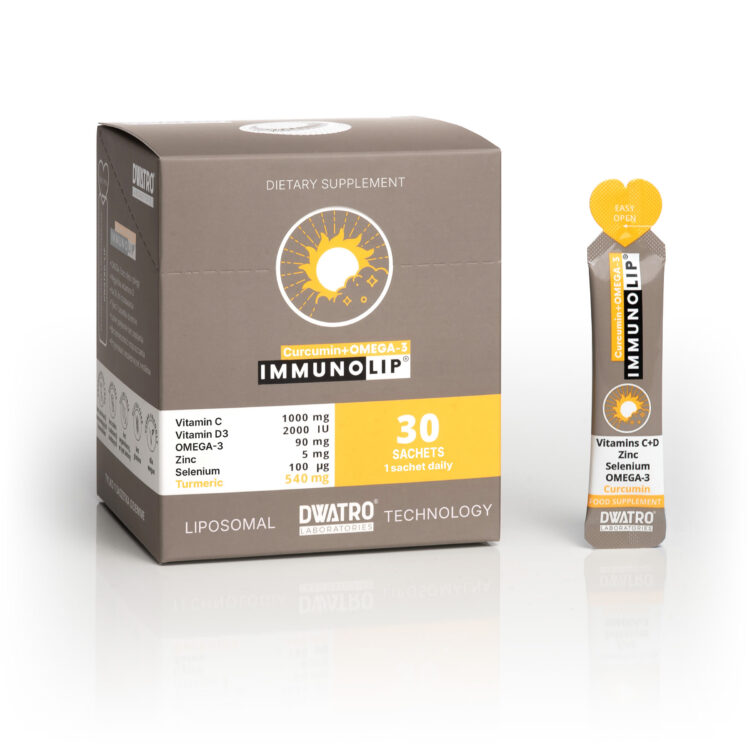
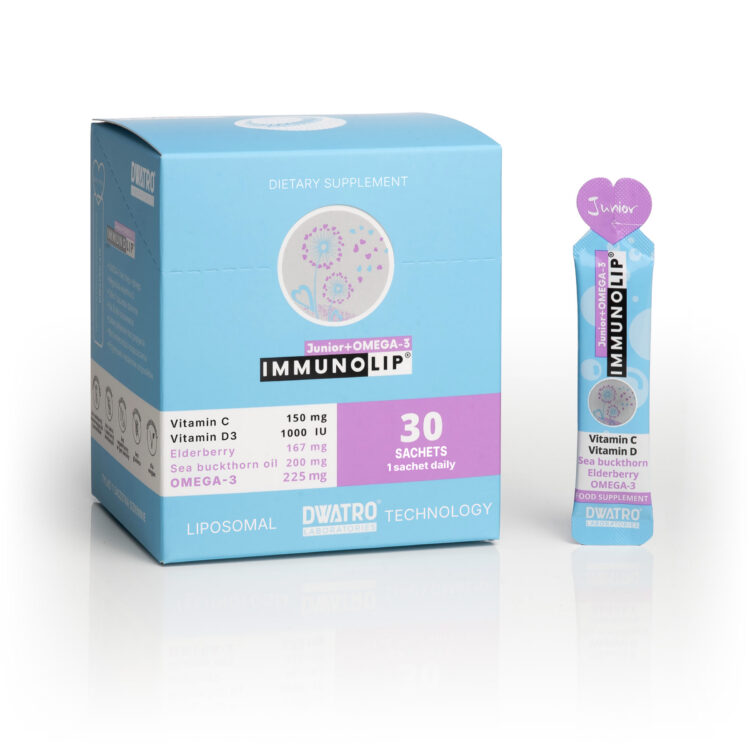
DWATRO Laboratories products, based on the DWATRO®LIPtechnology, support the health of erythrocytes on several levels: they deliver the ingredients essential for erythropoiesis, protect the cells against oxidative stress and support mitochondrial energy. Formulas containing vitamin B12, folic acid, liposomal iron and polyphenols act at the cellular level, improving the oxygenation and functioning of the tissues.

Summary
Erythrocytes play a fundamental role in the body – they transport oxygen, regulate pH, support immunity and make the proper work of all organs possible. Their functioning depends on proper erythropoiesis and on the availability of key nutrients. Protecting erythrocytes against oxidative stress and supporting the production of blood cells is one of the pillars of general health. Thanks to the DWATRO®LIP technology, the supplements created by DWATRO Laboratories support both the nourishment of the blood cells and their protection against degradation, contributing to better capacity, energy and immunity of the body.

My name is Dorota Wątróbska-Świetlikowska, I am a pharmacist and a scientist holding a habilitated doctorate in pharmaceutical sciences. I decided to combine my scientific knowledge and my experience in order to create dietary supplements of the highest quality.
My passion and main area of research are submicron dispersion systems, such as submicron emulsions, liposomes and lipospheres. After obtaining my doctorate, I turned my attention to the practical aspects of parenteral nutrition, combining the needs of the patient with the possibilities of the pharmacist. What matters most to me is quality, safety and effectiveness , which is visible both in my scientific work and in my approach to creating the supplements of Dwatro Laboratories®.