Collagen protein – definition and significance

Collagen protein – definition and significance
Characteristics of collagen
Collagen is a fibrillar protein built mainly from amino acids such as glycine, proline and hydroxyproline. It forms a triple helix – a structure that is exceptionally resistant to stretching and to mechanical damage. Many types of collagen are distinguished (including I, II, III, IV, V), and they perform different roles depending on their location in the body.
- Type I collagen – predominates in the skin, bones and tendons.
- Type II collagen – present mainly in articular cartilage.
- Type III collagen – supports the elasticity of blood vessels and of the skin.
- Type IV collagen – builds the basement membranes in the kidneys and other organs.
The role of collagen protein
- Strengthening the skin – it is responsible for firmness and a youthful appearance, limiting the formation of wrinkles.
- Regeneration of joints and cartilage – it supports the cushioning and the mobility of the joints.
- Building bones and teeth – it gives them flexibility and resistance to fractures.
- Proper circulation – thanks to its presence in the blood vessels it influences their elasticity.
- Wound healing processes – collagen takes part in the rebuilding of damaged tissues.
Collagen supplementation
With age, the body's ability to produce collagen decreases. The first signs of its deficiency are a loss of skin firmness, joint pain or slowed regeneration. This is why people increasingly reach for dietary supplements containing collagen protein, which are available in the form of hydrolysates (collagen broken down into smaller peptides that are easier to absorb).
Collagen supplementation:
- supports the health of the skin and limits the processes of ageing,
- improves joint mobility and reduces the risk of injury,
- may support convalescence after injuries,
- has a beneficial effect on hair and nails.
Collagen and health
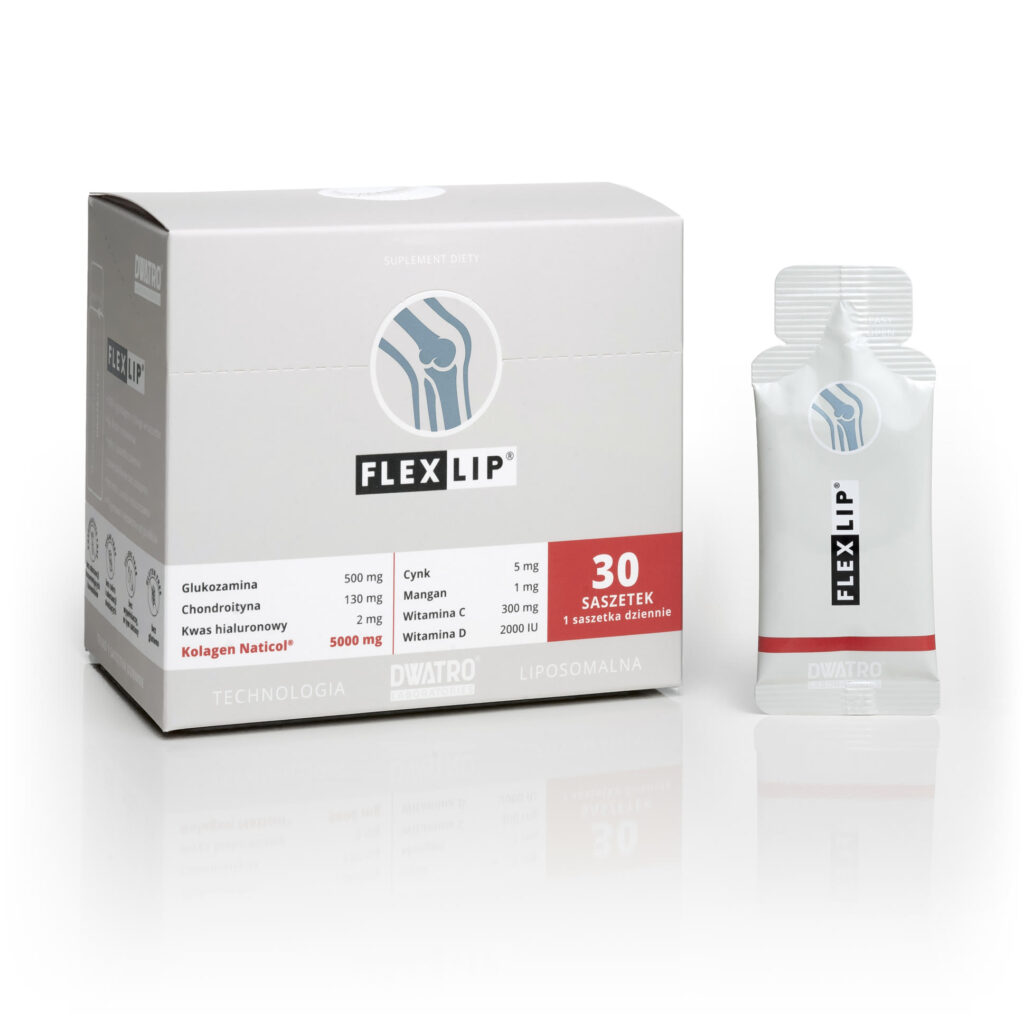
Collagen does not work on its own – its production and stability also depend on the presence of vitamin C, zinc, copper and silicon. This is why collagen supplements are often combined with these ingredients.
A collagen deficiency may lead to:
- faster ageing of the skin,
- pain and stiffness of the joints,
- increased brittleness of the bones,
- slower healing of wounds.
Natural sources of collagen protein
Besides dietary supplements, it is worth remembering that collagen can also be supplied through an appropriate diet. The greatest amount of natural collagen is found in products of animal origin, especially wherever connective tissue is present.
The richest sources of collagen include:
- bone broths – long-simmered beef, poultry or fish bones release large amounts of collagen,
- skins and cartilage – e.g. chicken feet, pork knuckle, fish eaten with the skin on,
- aspics and jellied trotters – traditional dishes rich in gelatine, which is formed as a result of processing collagen,
- sea fish – especially the skin and scales of cod, salmon or tuna.
It is worth stressing that although collagen occurs mainly in animal products, people on a plant-based diet can support the production of endogenous collagen by supplying the ingredients necessary for its synthesis, such as: vitamin C (peppers, citrus fruits), silicon (millet, nettle), zinc and copper (nuts, kernels, seeds).
Summary
Collagen protein is the foundation of the health of the skin, the joints and the skeletal system. Thanks to its unique structure it gives tissues strength, elasticity and the ability to regenerate. The natural production of collagen declines with age, which is why replenishing it through diet and supplementation is gaining ever greater importance – both in health prevention and in cosmetology.

My name is Dorota Wątróbska-Świetlikowska, I am a pharmacist and a scientist holding a habilitated doctorate in pharmaceutical sciences. I decided to combine my scientific knowledge and my experience in order to create dietary supplements of the highest quality.
My passion and my main area of research are submicron dispersion systems, such as submicron emulsions, liposomes and lipospheres. After obtaining my doctorate, I turned my attention to the practical aspects of parenteral nutrition, combining the needs of the patient with the capabilities of the pharmacist. Quality, safety and efficacy are the most important things for me , which is visible both in my scientific work and in my approach to creating supplements for Dwatro Laboratories®.