Dopamine – the neurotransmitter that drives motivation, energy and satisfaction
Dopamine – the neurotransmitter that drives motivation, energy and satisfaction
What dopamine actually is
Dopamine is one of the most important neurotransmitters of the nervous system. Unlike serotonin, which is mainly responsible for stabilising mood, dopamine performs the function of a drive – it is dopamine that gives direction to action, influences the ability to feel pleasure and motivates us to take on challenges. Its concentration directly reflects the level of vital energy, the willingness to work, concentration and the ability to achieve goals. Dopamine acts in many regions of the brain, including the reward system, which decides what produces a feeling of satisfaction.
How dopamine works in the brain
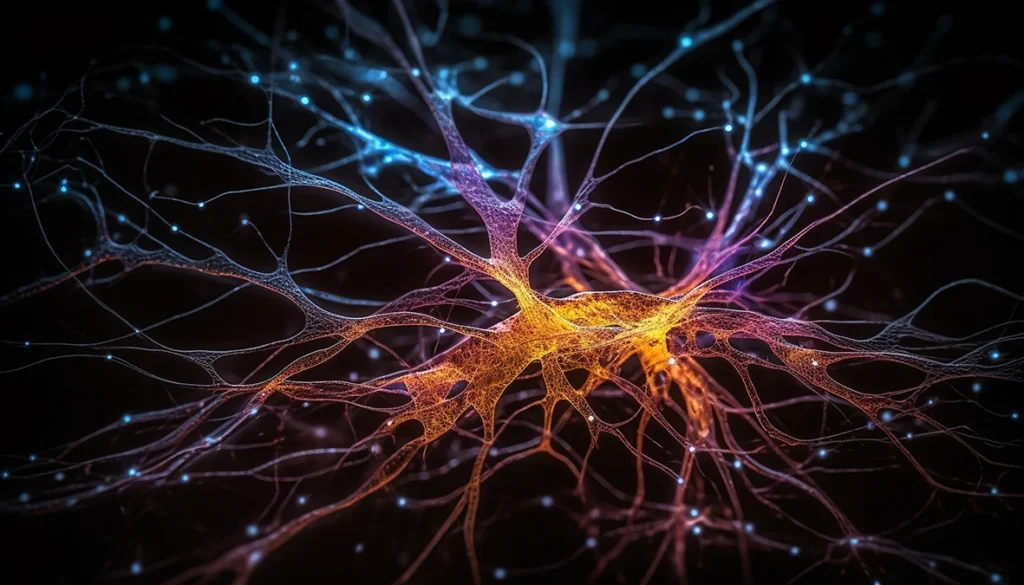
The basic role of dopamine consists in transmitting signals between neurons. When something interests us, when we finish a task or receive a reward, dopamine is released in the nucleus accumbens of the brain. This impulse reinforces the behaviour that led to success. In this way dopamine steers the processes of learning, habits and excitement. It is also responsible for the fluidity of movements, executive functions, working memory and logical thinking. Disturbances in its action result in lowered motivation, a lack of initiative and problems with concentration.

The reward system – the centre of dopamine's action
The brain strives to repeat behaviours that end in a reward. Every stimulus that raises dopamine is recorded as attractive. That is why dopamine lies at the foundation of creativity, passion and productivity, but at the same time it is responsible for susceptibility to addiction. When dopamine is released too intensively, for example by stimulants or an excess of digital stimuli, the brain lowers the sensitivity of the receptors. As a result we need ever stronger sensations, and the natural sources of pleasure stop working.
The importance of dopamine for mood and energy
A deficiency of dopamine leads to apathy, a lack of motivation and chronic fatigue. A person with a low level of dopamine has difficulty starting to act, experiences drops in energy and finds it harder to feel joy. A high level of dopamine favours a sense of agency, improves the pace of thinking and makes it easier to focus. Dopamine is also connected with the regulation of sleep, appetite and libido. Its correct concentration supports mental balance and resistance to everyday stress.

Dopamine and the ability to make decisions
A surprising aspect of the action of dopamine is its influence on decisiveness. People with higher dopaminergic activity make decisions faster, more often seek out new experiences and are more inclined to act. A low level of dopamine increases the tendency to put things off, makes planning more difficult and weakens the ability to assess a situation quickly. It is no wonder that dopamine is associated with creativity and innovativeness – it makes thinking outside established patterns possible.
Symptoms of a low level of dopamine
A drop in dopamine causes characteristic symptoms: difficulties with concentration, a lack of enthusiasm, poorer memory, a drop in libido, excessive sleepiness and greater susceptibility to stress. The symptoms may occur both in people leading an intensive lifestyle and in those who suffer from disturbances of the neurotransmitter balance. A deficiency of dopamine is also linked with an increased risk of depression, burnout syndrome and attention deficit disorder (ADHD).

Natural ways of supporting dopamine
The body needs specific nutrients in order to produce dopamine. A key role is played by tyrosine – an amino acid found in dairy products, eggs, meat, avocado and nuts. B-group vitamins, magnesium, copper and iron are also significant. Healthy sleep, physical activity, contact with the sun and the reduction of stress significantly improve the working of the dopaminergic system. Equally important is limiting the excess of digital stimuli that artificially overload the reward system.
Supplements supporting dopamine balance
Modern supplements can support the proper production of dopamine. They make use of ingredients such as L-tyrosine, vitamin B6, vitamin C and adaptogens, for example rhodiola rosea or ashwagandha. Preparations in liposomal technology are characterised by raised bioavailability, which means that the active ingredients reach the nervous system faster. High effectiveness is shown by formulas that combine antioxidants with vitamins supporting neurotransmission.

Advanced dopamine support from DWATRO Laboratories
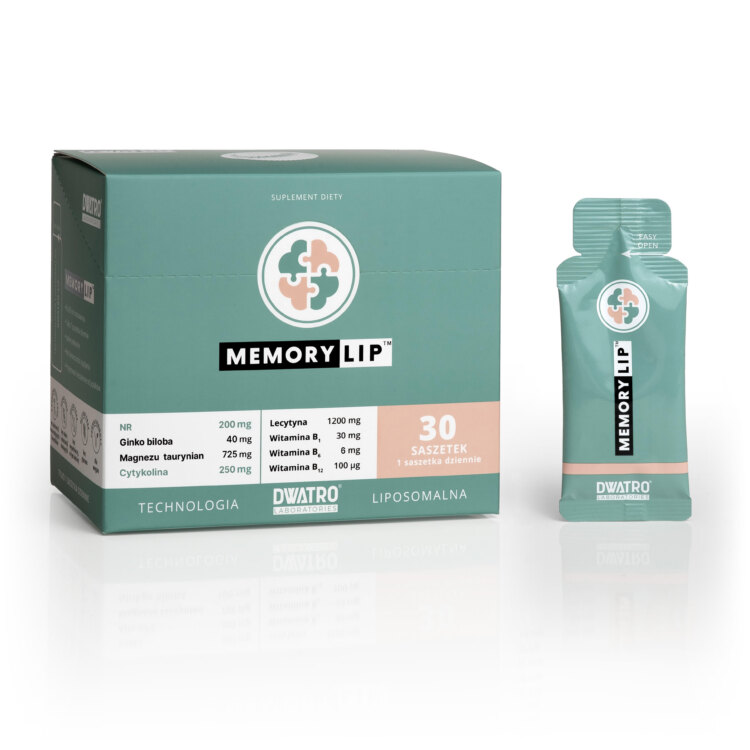
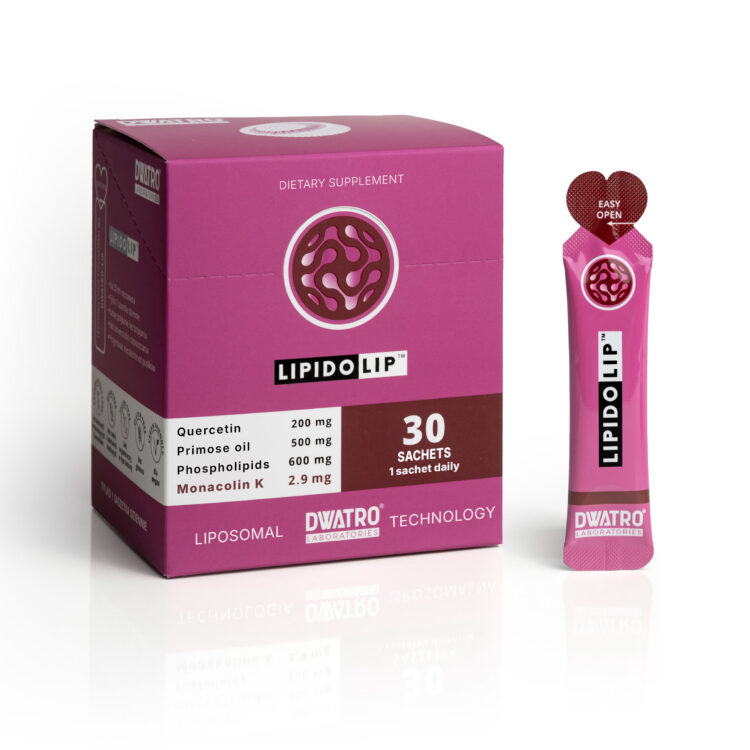
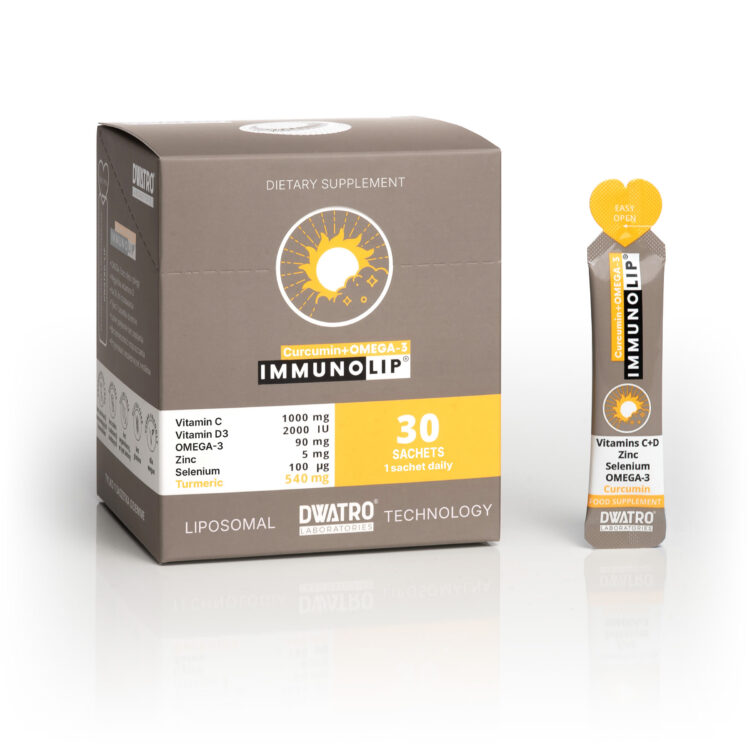
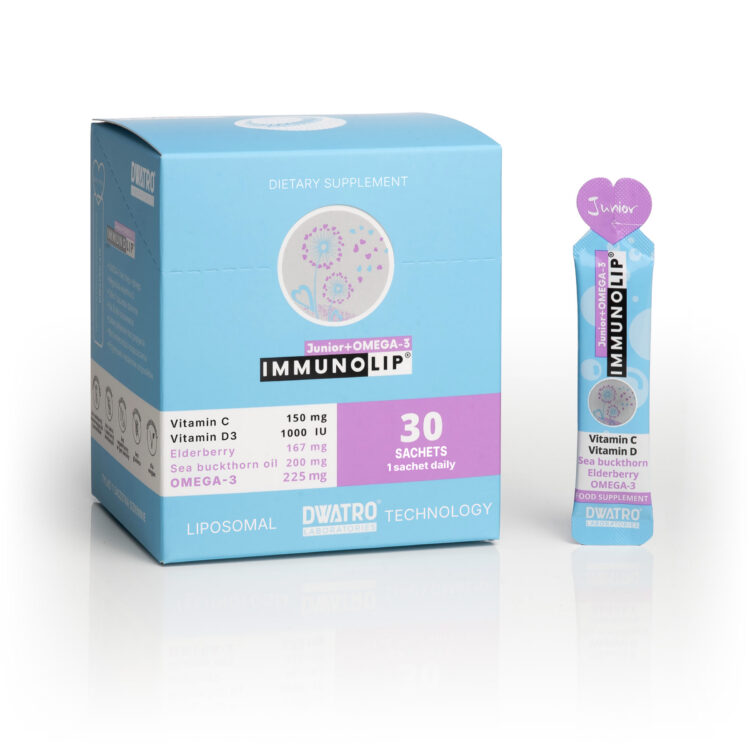
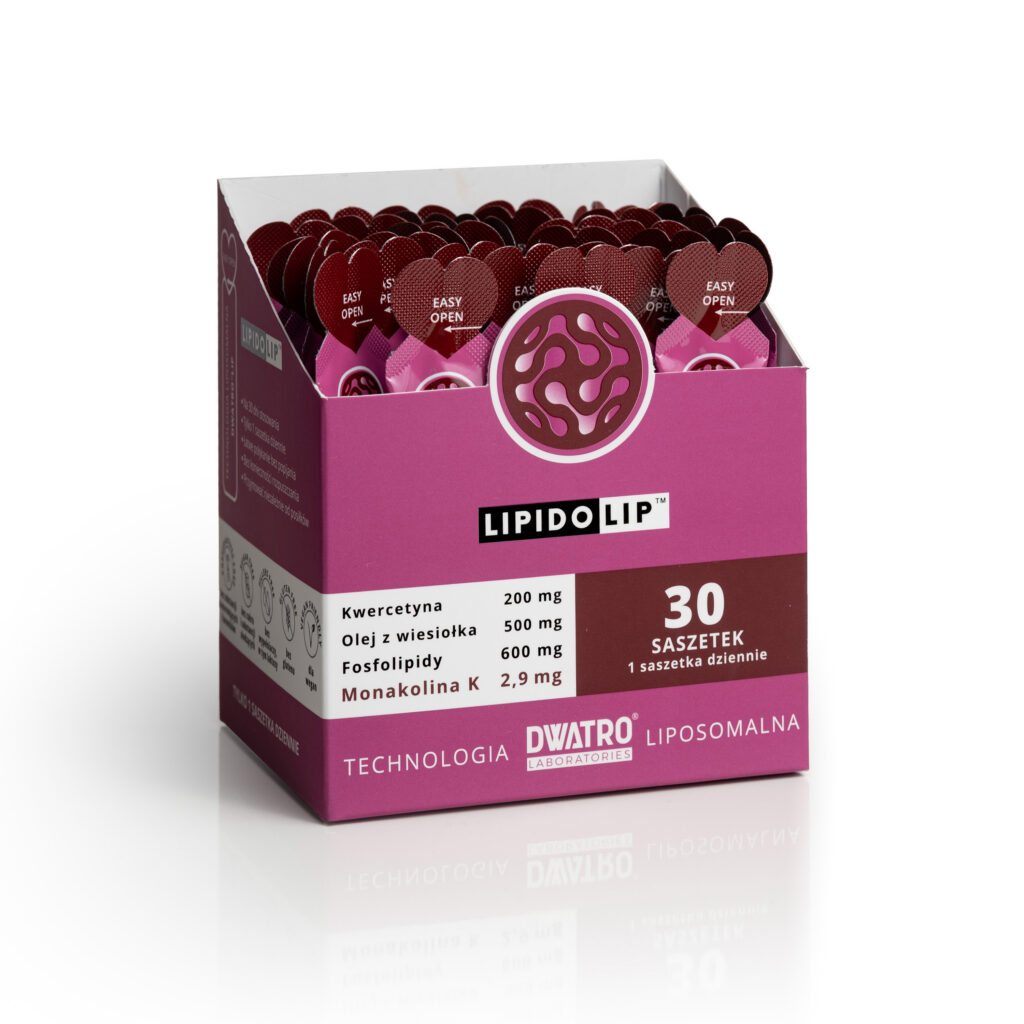
The DWATRO Laboratories brand creates preparations supporting the nervous system with the use of the liposomal technology DWATRO®LIP, which improves the absorption of the ingredients and their transport into the cells. DWATRO formulas combine tyrosine, B-group vitamins, magnesium, coenzyme Q10 and antioxidants, supporting the natural production of dopamine and the protection of neurons. Thanks to their high bioavailability these supplements help to increase concentration, improve mental resilience, raise energy and restore the balance of neurotransmitters.
Dopamine and long-term mental balance
Dopamine gives the impulse to act, but its stable level is responsible for long-lasting motivation, regularity and the harmonious work of the brain. It is a neurotransmitter that interacts with other hormones and neurochemical systems, which is why its balance translates into quality of life, emotional health and personal effectiveness. Healthy habits, an appropriate diet and modern supplementation create a stable foundation for the proper work of the dopaminergic system.
Summary
Dopamine is a neurotransmitter that gives direction to human actions and decides the level of motivation, joy and concentration. An improper level of it leads to apathy and to problems with cognitive functions, whereas a correct concentration strengthens memory, mental resilience and the willingness to act. Contemporary DWATRO Laboratories preparations, thanks to liposomal technology, provide effective support for the production of dopamine and for the balance of the nervous system. Caring for dopamine is an investment in energy, creativity and emotional stability.

My name is Dorota Wątróbska-Świetlikowska, I am a pharmacist and a scientist holding a habilitated doctorate in pharmaceutical sciences. I decided to combine my scientific knowledge and experience in order to create dietary supplements of the highest quality.
My passion and main area of research are submicron dispersion systems, such as submicron emulsions, liposomes and lipospheres. After obtaining my doctorate, I turned my attention to the practical aspects of parenteral nutrition, combining the needs of the patient with the possibilities of the pharmacist. Quality, safety and effectiveness are the most important things for me , which is visible both in my scientific work and in my approach to creating supplements from Dwatro Laboratories®.