What are Acylglycerols? The key to how the body functions and to supplementation
What are Acylglycerols? The key to how the body functions and to supplementation
An introduction to the concept of acylglycerols
Acylglycerols are chemical compounds belonging to the class of lipids, which play a key role in metabolism, in the structure of cell membranes and in energy storage. In practice they are esters of glycerol and fatty acids which, depending on the number of substituted acyl groups, take the form of monoacylglycerols (MAG), diacylglycerols (DAG) or triacylglycerols (TAG).
Although the term may sound scientific and specialised, acylglycerols are present in the everyday diet and in the body of every person. It is worth getting to know them better — especially in the context of supplementation, cell biology and the modern nutraceutical products developed by brands such as DWATRO Laboratories.
Chemical structure and classification of acylglycerols
The basis of the structure of acylglycerols is glycerol — an organic chemical compound containing three hydroxyl groups (–OH). When one, two or all three of these groups react with fatty acids, the following are formed respectively:
- Monoacylglycerols (MAG) – only one OH group esterified with a fatty acid
- Diacylglycerols (DAG) – two OH groups esterified
- Triacylglycerols (TAG) – all three OH groups linked to fatty acids
Triacylglycerols are the best-known form and occur widely in vegetable and animal fats. It is they that are stored in adipose tissue as a source of energy.
The biological role of acylglycerols in the body
Acylglycerols are not simply "fat" in the colloquial sense of the word. Their biological role is far more complex:
- A source of energy – triacylglycerols in particular constitute a store of high-energy molecules
- Lipid transport – acylglycerols take part in carrying fatty acids in the bloodstream (in the form of chylomicrons)
- Cell signalling – diacylglycerols (DAG) are important messengers in signalling pathways, e.g. in regulating the action of enzymes
- Regulation of fat metabolism – some acylglycerols act as activators of metabolic receptors such as PPAR

Acylglycerols in supplementation and in DWATRO products
In the context of modern supplementation, acylglycerols are taking on new significance. Not only as nutrients, but as carriers of active substances which improve the bioavailability of other compounds, e.g. fat-soluble vitamins (A, D, E, K)
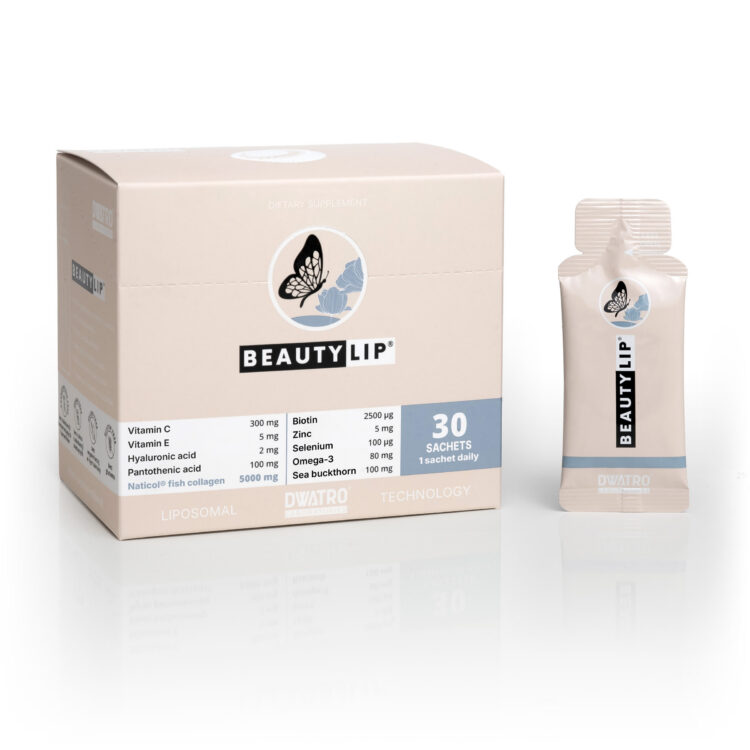
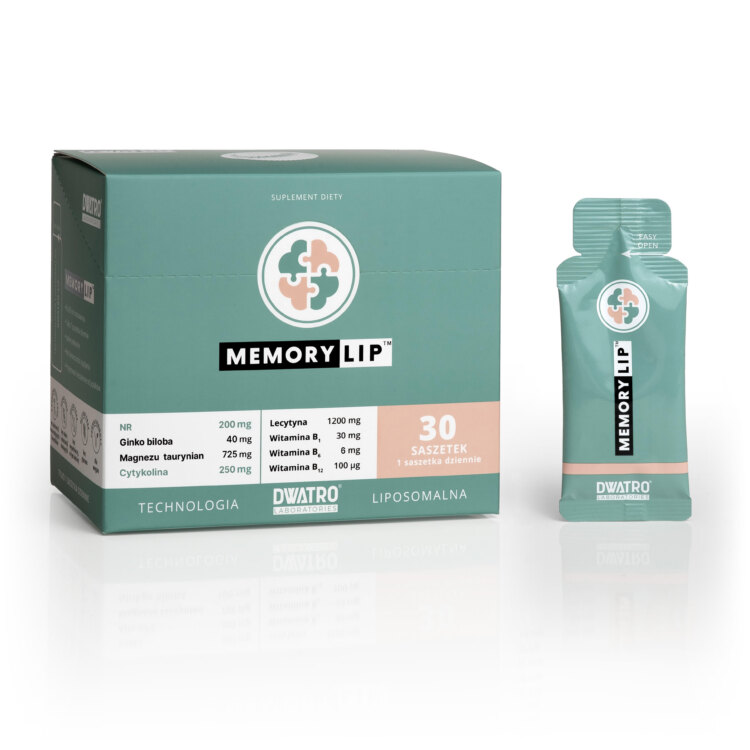
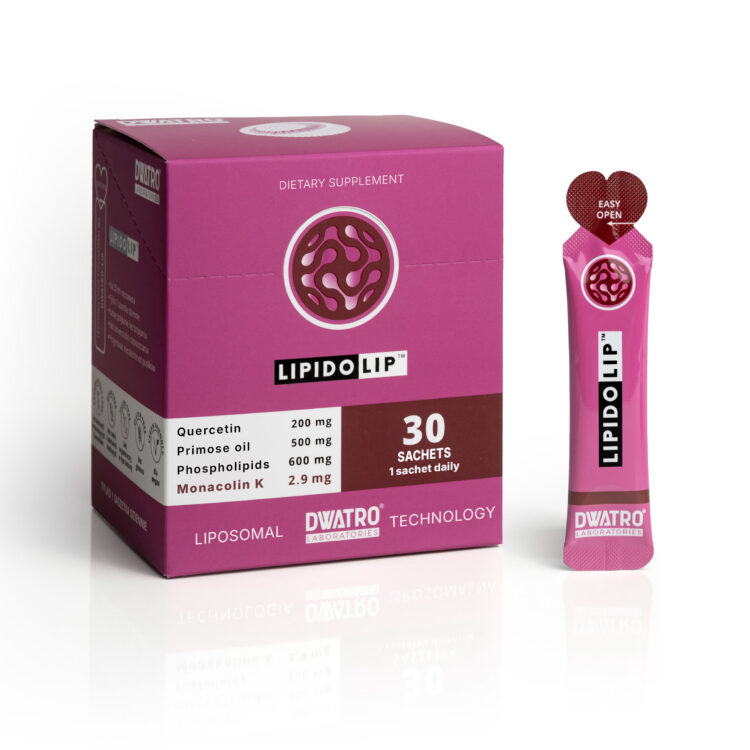
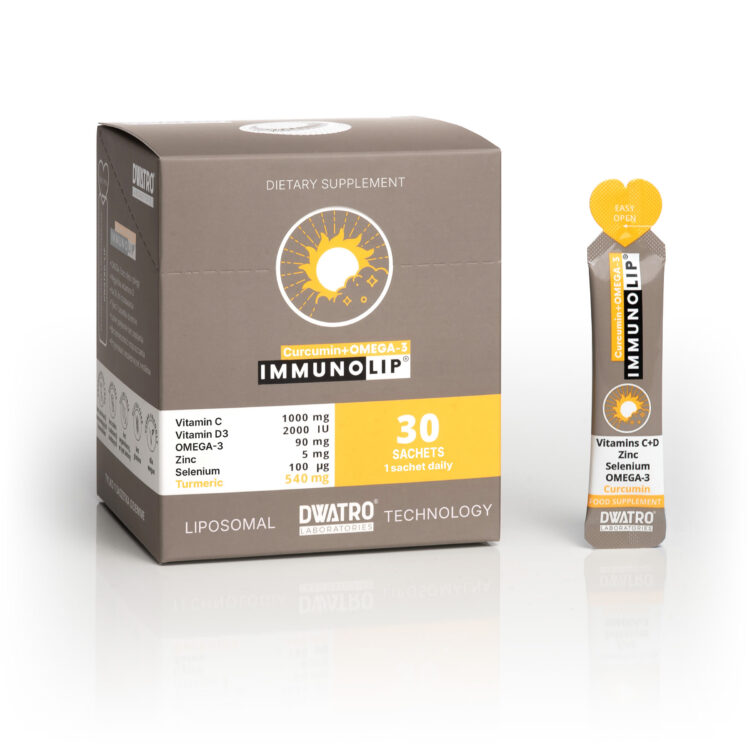
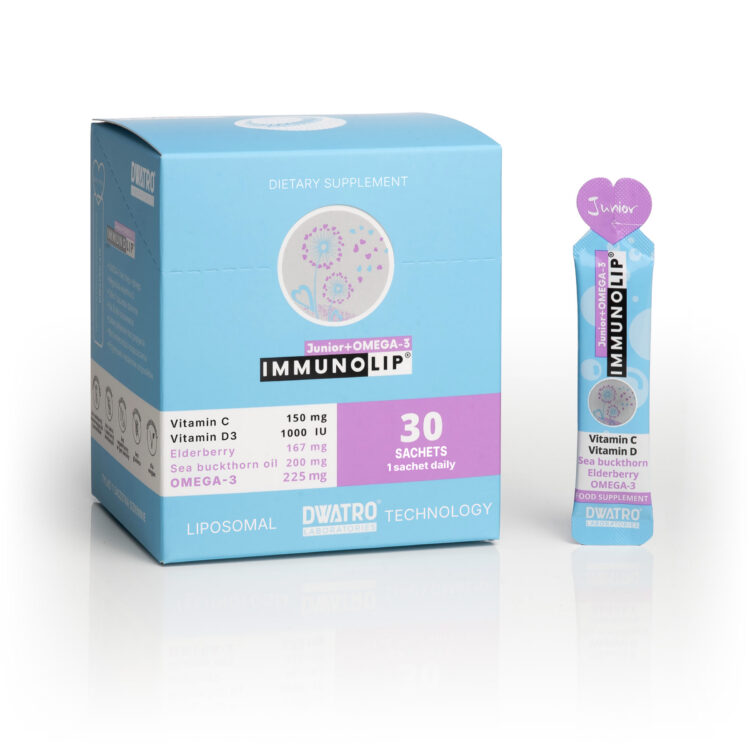
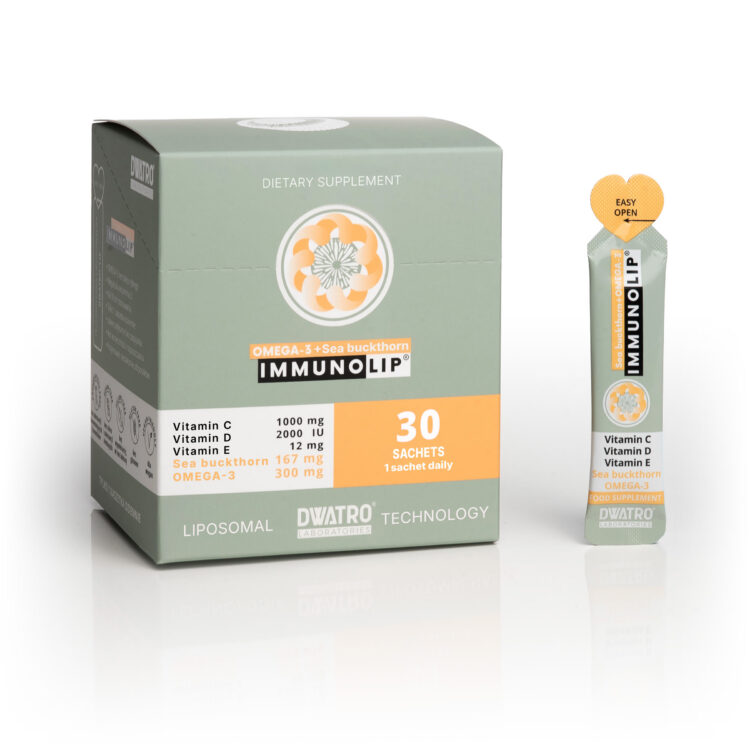
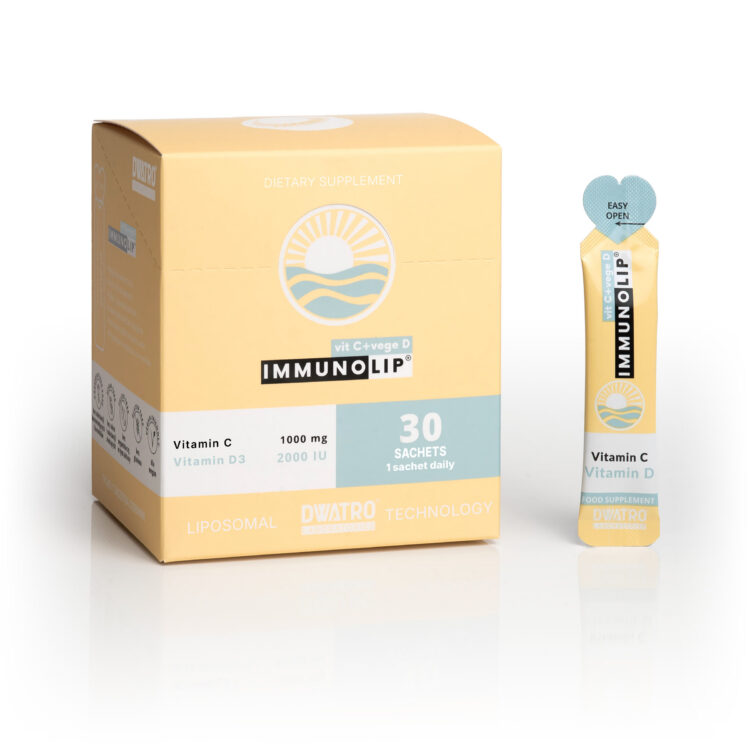
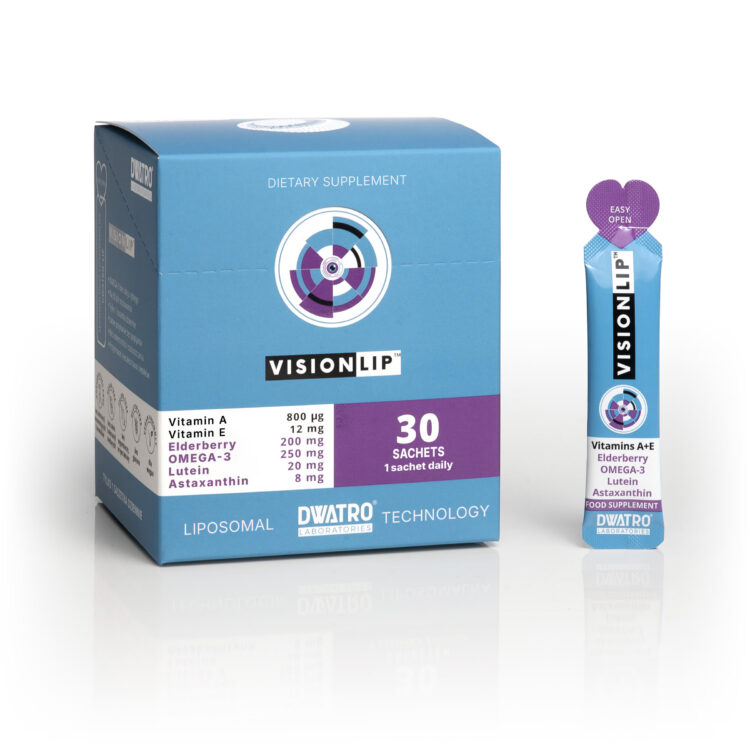
DWATRO Laboratories, which specialises in innovative forms of dietary supplements, makes use of acylglycerol structures in liposomal and emulsion formulations. Thanks to this, substances such as liposomal vitamin C, coenzyme Q10 and plant extracts gain better absorption and stability.
In the context of DWATRO technology, acylglycerols are often used in:
- MCT formulas (Medium Chain Triglycerides) – medium-chain triacylglycerols from coconut oil, supporting energy and ketosis
- nanoemulsions – structured systems that deliver active molecules across cell membranes
- lipid complexes – increasing the solubility of hydrophobic ingredients

Natural sources of acylglycerols
Acylglycerols are present in:
- Vegetable oils (sunflower, linseed, rapeseed)
- Animal fats
- Nuts and seeds
- Dairy products
- Supplements containing MCT
It should be stressed that their quality depends on the source, on the extraction process and on any chemical modifications. DWATRO Laboratories uses exclusively purified forms of lipids of plant origin, free from contaminants and suitable for vegans.
Acylglycerols and metabolic health
A growing body of research indicates that lipid balance, including the presence of acylglycerols with the right structure, may influence:
- The regulation of blood glucose levels
- The reduction of inflammation
- The function of the nervous system
- The hormonal response and thyroid metabolism
- Support for the weight-loss process (especially thanks to MCT)
Some forms of DAG show an anti-adipogenic effect, that is, one that counteracts the formation of new fat cells. Others may support energy homeostasis and adaptation to physical exertion.
Acylglycerols and liposomal technology
In products such as liposomal vitamins, acylglycerols may form part of the structure surrounding the active molecule. Their task is:
- Stabilisation of the liposomal vesicles
- Protection of the substance against degradation in the digestive system
- Enabling the transport of substances across cell membranes
The DWATRO brand uses advanced lipid matrices in which acylglycerols form the basis of the technology for delivering active ingredients deep into the cells.
Are acylglycerols safe?
Yes, acylglycerols are completely safe for the body, provided that they are consumed in the right proportions. They are a natural part of the diet and are metabolised by digestive enzymes (lipases). An excess of them, however, just as with other fats, may lead to overweight, which is why balance and quality are crucial.
In the context of supplementation, and particularly in DWATRO products, standardised amounts are used which comply with EFSA and FDA standards.
Summary: the significance of acylglycerols in health and supplementation
Acylglycerols are not just “ordinary fats” – they are advanced lipid structures that play a key role in human biology, in supplementation and in innovative technologies for delivering nutrients. Their presence in products such as liposomal vitamins, emulsion forms of coenzymes or MCT supplements makes them an indispensable component of modern formulas that support health.
Thanks to brands such as DWATRO Laboratories, which integrate biochemical knowledge with modern technology, acylglycerols are gaining new significance — as intelligent carriers and supporters of metabolism, not only in theory but above all in the practice of healthy living.

My name is Dorota Wątróbska-Świetlikowska, I am a pharmacist and a scientist holding a habilitated doctorate in pharmaceutical sciences. I decided to combine my scientific knowledge and my experience in order to create dietary supplements of the highest quality.
My passion and main area of research are submicron dispersion systems, such as submicron emulsions, liposomes and lipospheres. After obtaining my doctorate, I turned my attention to the practical aspects of parenteral nutrition, bringing together the needs of the patient and the possibilities open to the pharmacist. Quality, safety and efficacy matter most to me , which is visible both in my scientific work and in my approach to creating Dwatro Laboratories® supplements.