Encapsulation – an advanced method of protecting and delivering active substances

Encapsulation – an advanced method of protecting and delivering active substances
What exactly is encapsulation
Encapsulation is the process of enclosing active substances in protective carriers that shield them against degradation and make controlled release possible. This technology makes it possible to protect delicate ingredients such as vitamins, enzymes, oils, plant extracts or probiotics against the action of light, oxygen, temperature and digestive acids. Thanks to this, encapsulation increases the stability of a preparation, extends its shelf life and improves bioavailability, which makes it one of the most important technologies in contemporary supplementation and pharmacy.
How the encapsulation process works
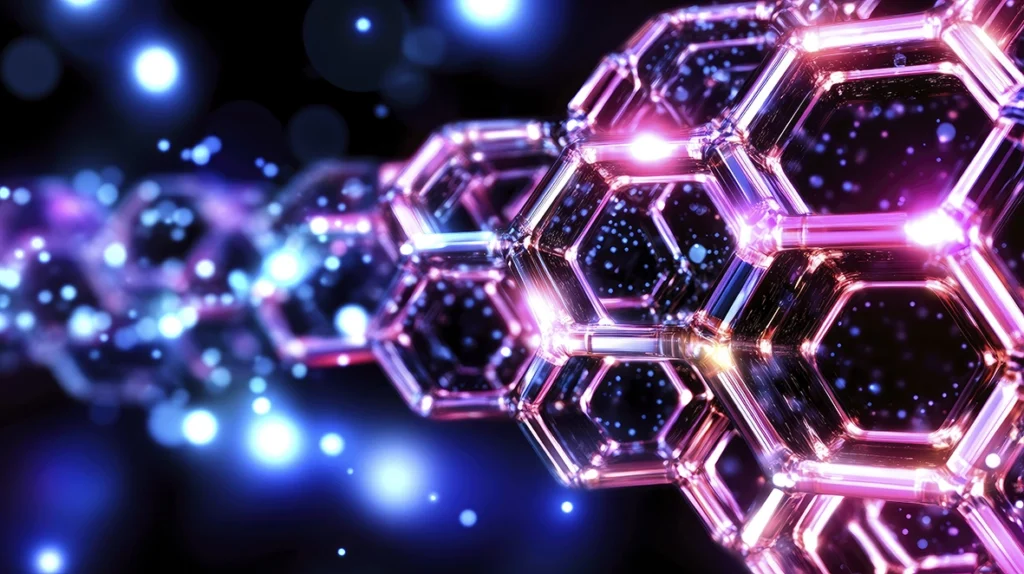
Encapsulation consists in surrounding an active substance with a carrier that forms a micro- or nanoparticle. The carrier can be lipid-based, polysaccharide-based or protein-based, depending on the characteristics of the substance and the intended use of the product. In pharmacy and supplementation, phospholipid shells are used most often, because they imitate the cell membranes of the body. The encapsulant protects the molecules against early breakdown and releases them only at the target site, where they can be fully used. This solution makes it possible to direct substances precisely to the tissues and minimises losses during digestion.
Why encapsulation increases the bioavailability of ingredients
Many nutrients, especially vitamins, polyphenols, peptides or substances with low solubility, are difficult to absorb in traditional forms. Encapsulation isolates these molecules from the external environment, stabilises them and makes their transport across biological barriers possible. The use of microcapsules or liposomal carriers makes it possible to cross the intestinal barriers, which considerably increases the amount of substance that reaches the bloodstream. This means that smaller doses can be more effective, and the action of the ingredient longer and more stable.
The use of encapsulation in dietary supplements
Modern supplementation increasingly makes use of encapsulation in order to increase the absorption and effectiveness of its formulas. Examples are vitamin C, coenzyme Q10, curcumin, EGCG, glutathione, resveratrol and vitamin D3, which naturally have limited bioavailability. Encapsulation protects them against degradation in the digestive tract, reduces the risk of stomach irritation and allows them to reach the cells faster. A properly selected shell can also protect ingredients against interacting with one another, thanks to which multi-ingredient formulas work more harmoniously.
Encapsulation in cosmetology and dermo-supplementation
In cosmetology, encapsulation is used to transport vitamin C, retinol, fatty acids and peptides deep into the skin. The shell protects the substance against oxidation and makes it possible to release it directly in the layers of the dermis. Thanks to this, the effectiveness of the active ingredients is considerably higher than in traditional creams. In dermo-supplementation this technology is used in oral supplements, providing a systemic action – from within, at the cellular level.
Different types of encapsulation
Encapsulation can take many forms, depending on the size of the particle and the type of carrier. Microcapsules are used in solid supplements and in cosmetics, while nanocapsules are gaining popularity in premium products with increased bioavailability. One of the most effective forms of encapsulation is encapsulation in liposomes, which thanks to their phospholipid structure show exceptional compatibility with the body's cells. Other carriers, such as cyclodextrins, polysaccharides or plant proteins, are used where a substance requires even stronger protection.

Encapsulation and the controlled release of ingredients
One of the greatest advantages of encapsulation is the possibility of programming the release of a substance. The carrier can be designed so that it responds to pH, digestive enzymes or temperature. Thanks to this, the active ingredient can be released only after reaching the small intestine or directly in the target cells. This mechanism increases the safety of supplementation and considerably limits the risk of losing ingredients during digestion.
The safety of encapsulation technology
The shells used for encapsulation are biocompatible and neutral for the body. This process does not change the properties of the active substance but protects it and directs its action. Thanks to this, encapsulated ingredients are well tolerated and less often cause undesirable effects. This technology has been used in pharmacy for many years, which confirms its safety and effectiveness.
Encapsulation in DWATRO Laboratories formulas
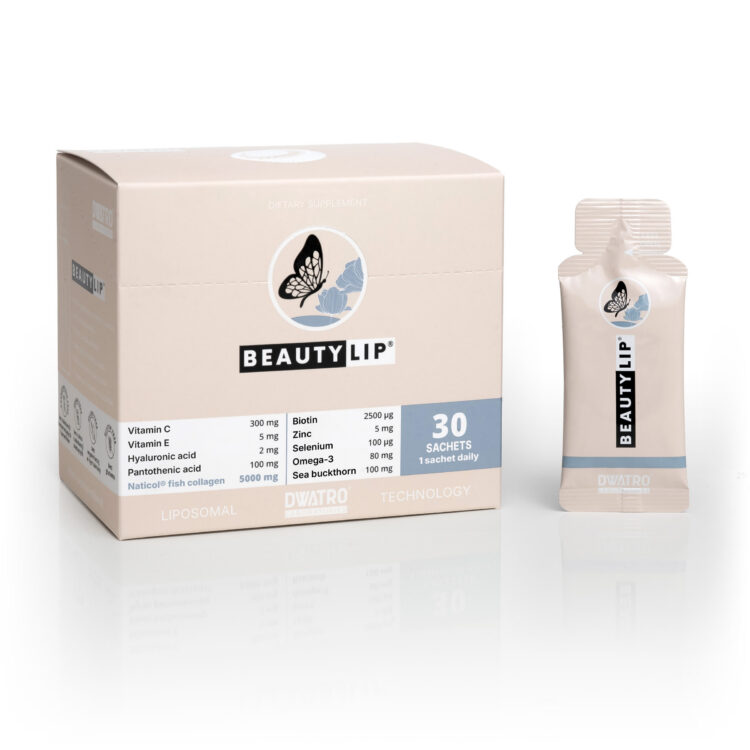
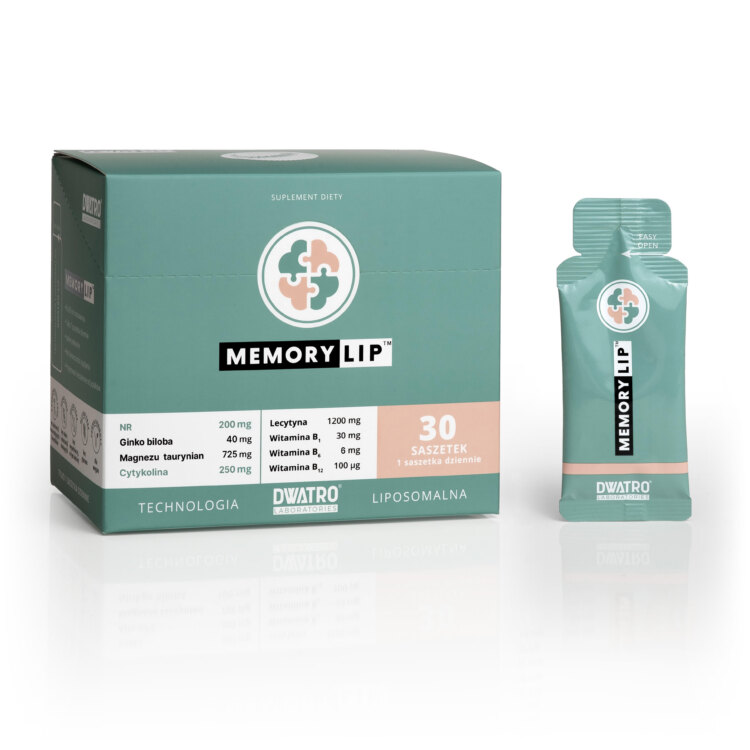
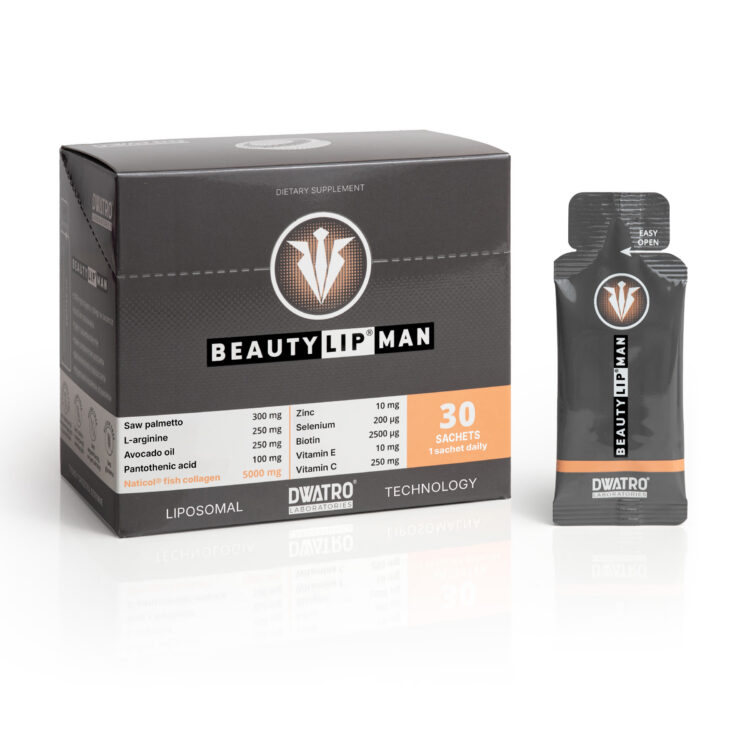
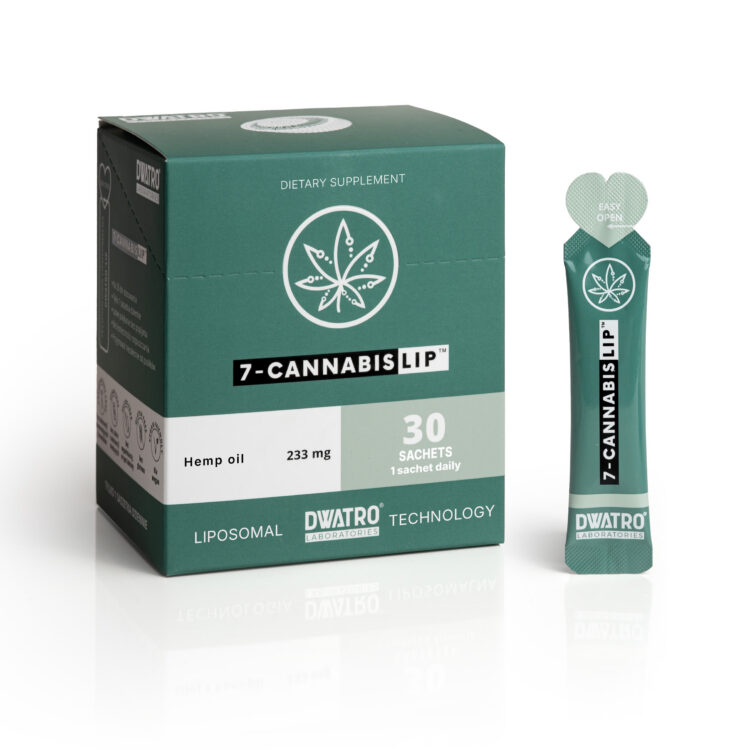
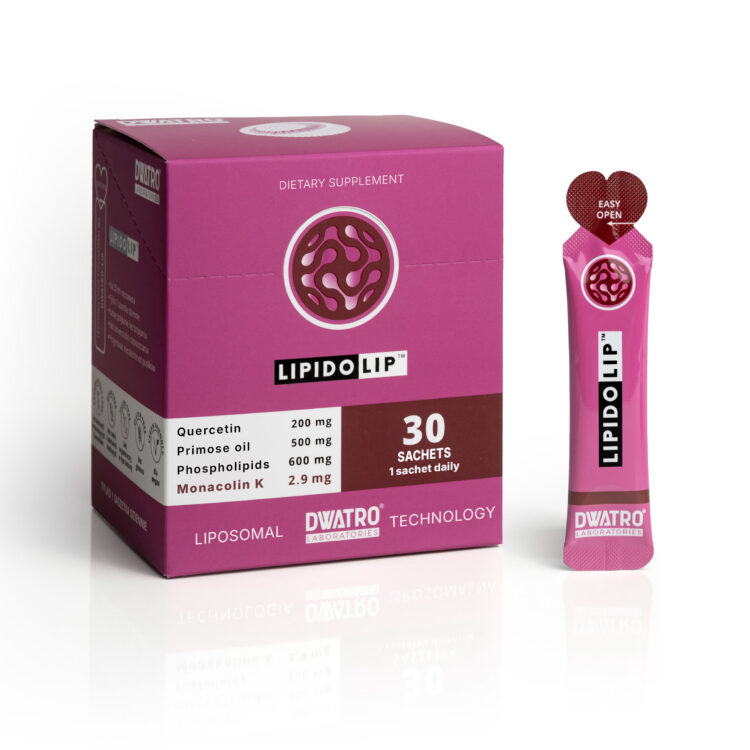
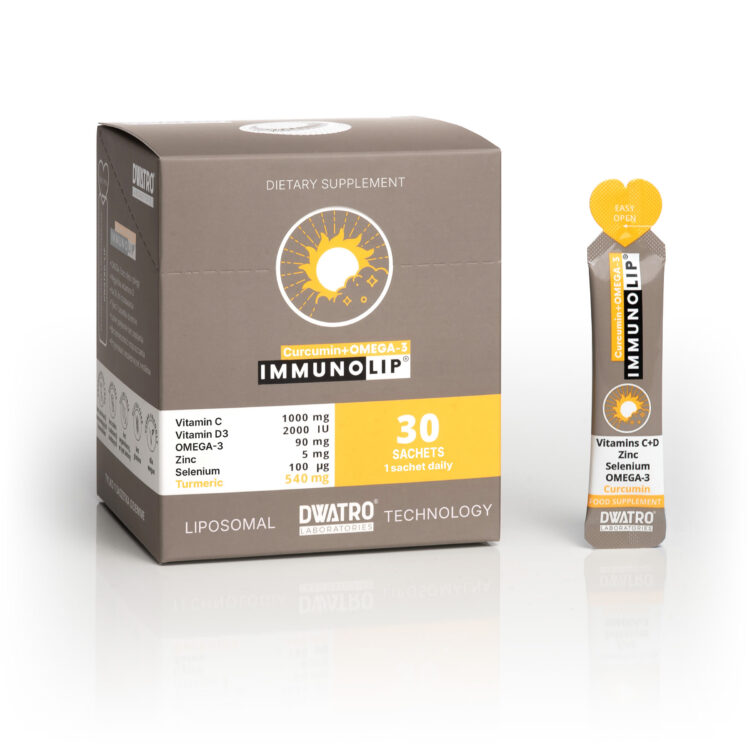
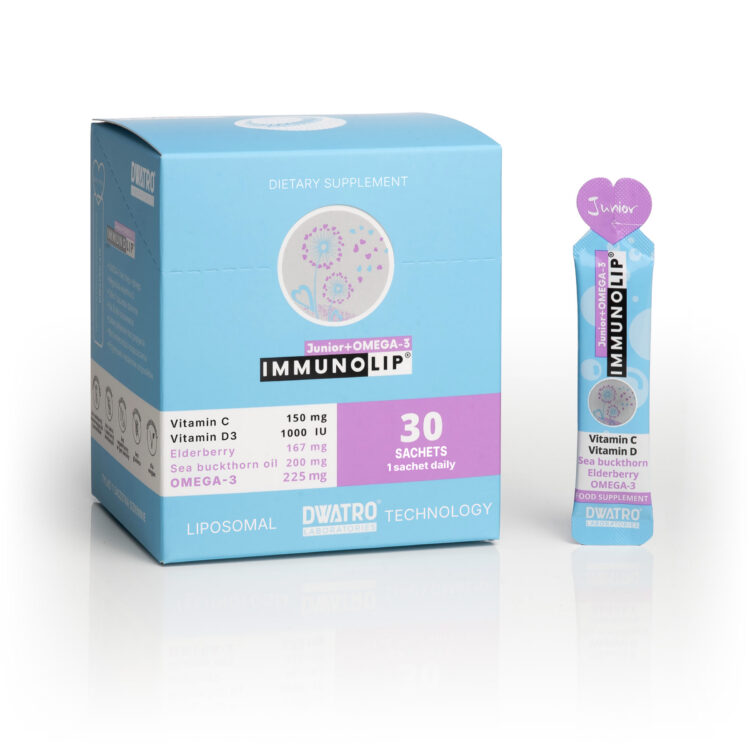
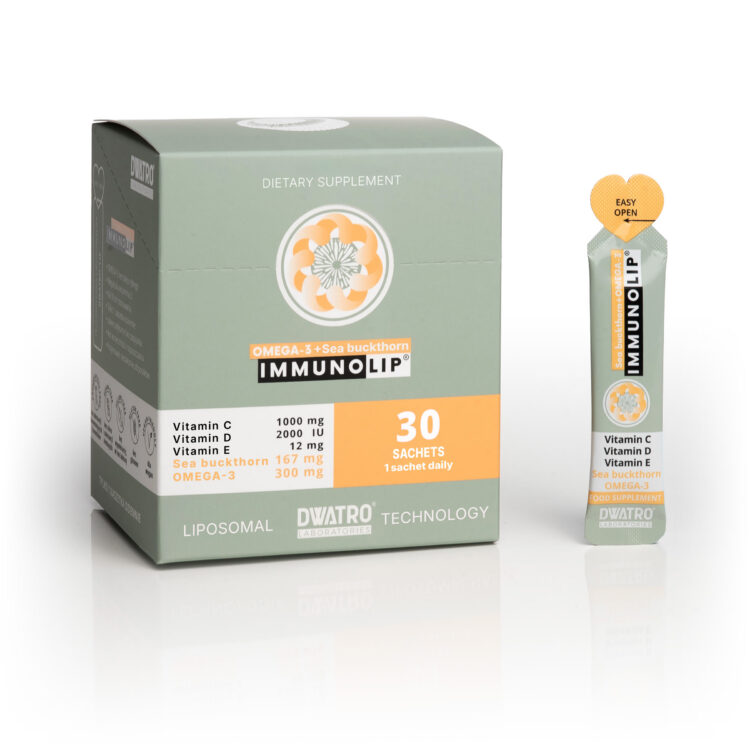
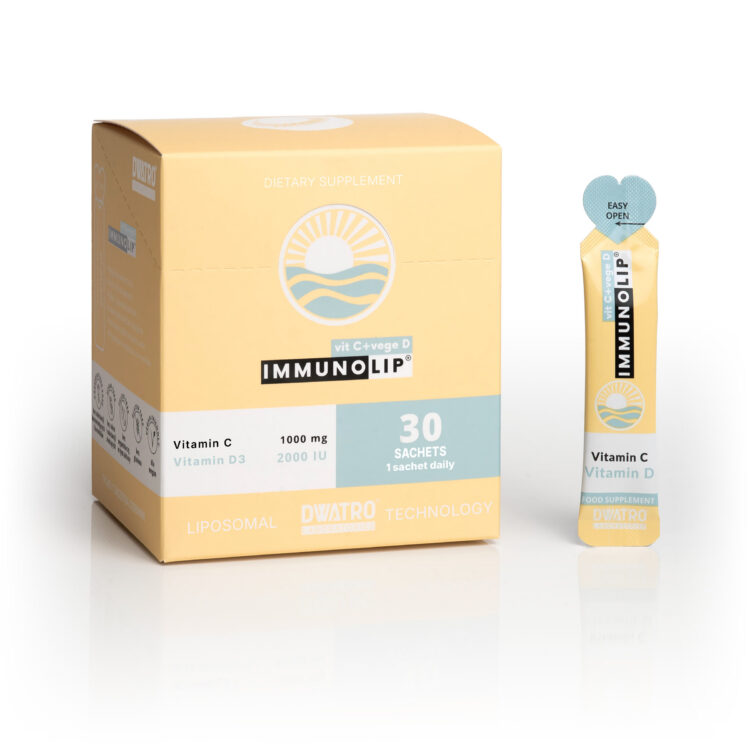
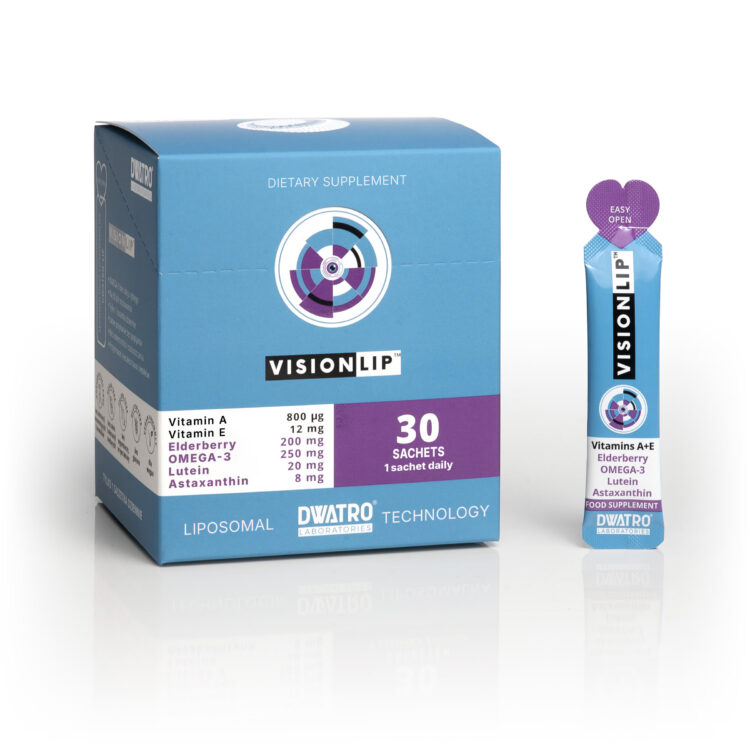
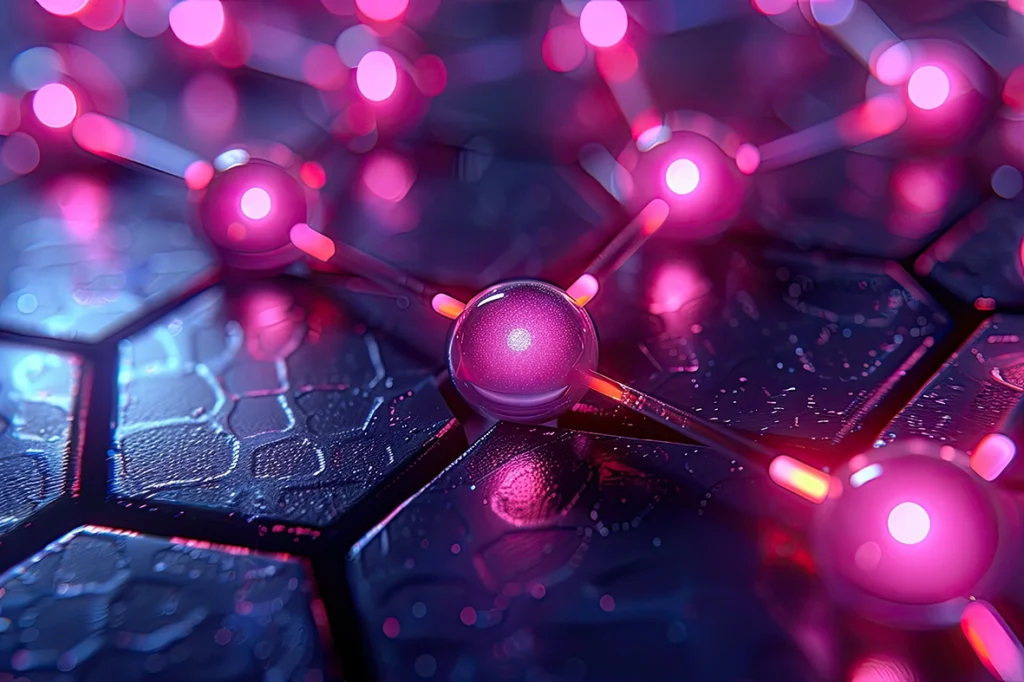
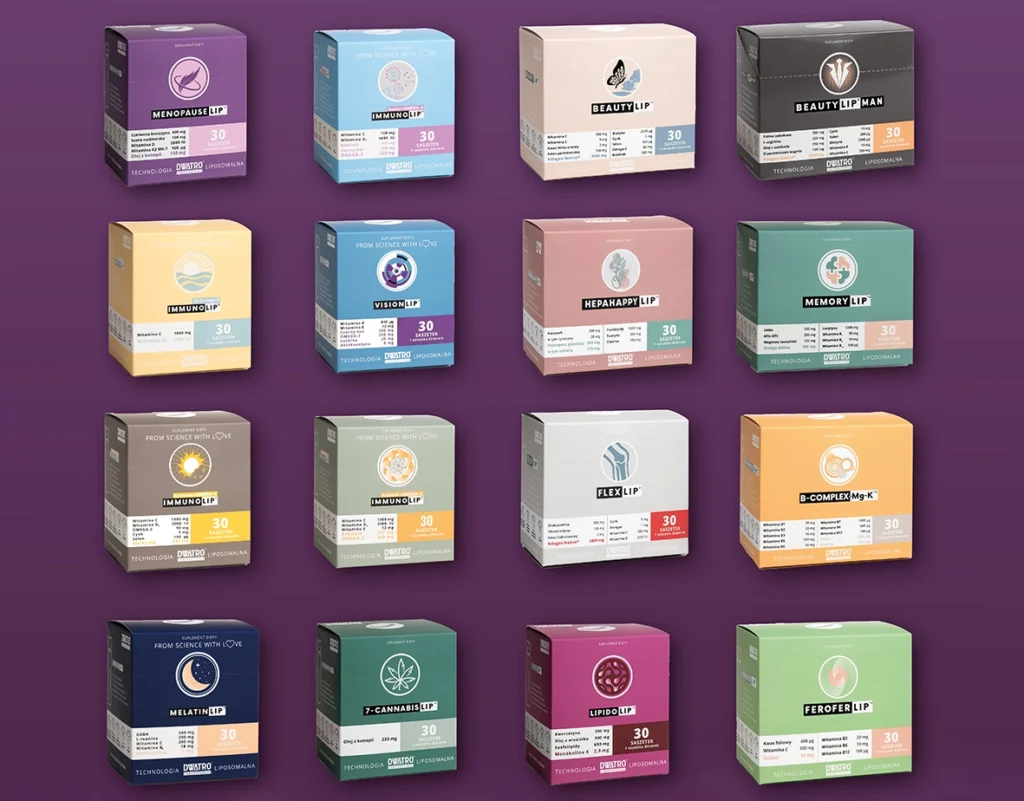
The DWATRO Laboratories brand uses advanced encapsulation technologies as part of the DWATRO®LIPsystem, in which active ingredients are enclosed in phospholipid microliposomes. Thanks to this, vitamins, polyphenols and coenzymes are protected against degradation and their bioavailability increases considerably. Encapsulation makes it possible to create supplements with an intensive cellular action, which support immunity, regeneration, skin health and energy metabolism. It is an exceptional combination of science, biotechnology and nature, which translates into the exceptional effectiveness of DWATRO Laboratories products.
Encapsulation and the long-term stability of ingredients
Additional sub-point: Encapsulation and the long-term stability of ingredientsOne of the most important aspects of encapsulation technology is the improvement of the stability of a substance over time. Many active ingredients break down quickly under the influence of moisture, temperature or light. Thanks to encapsulation, the shelf life of a substance can be extended by even several times while retaining its full biological activity. This is crucial for premium supplements, which must maintain high quality from the moment of production right up to consumption. Encapsulation protects delicate molecules, making it possible to create formulas with high stability and a predictable action.
Summary
Encapsulation is one of the most important technologies of contemporary supplementation, pharmacy and cosmetology. It makes it possible to protect delicate substances against degradation, increases their bioavailability and allows precise, controlled release at the target site. Thanks to this method it is possible to create supplements and preparations with considerably higher effectiveness, stability and safety of use. Encapsulation opens the way to making use of the full potential of vitamins, polyphenols, plant extracts and coenzymes, which in traditional forms often break down quickly. The innovative solutions used by DWATRO Laboratories, based on DWATRO®LIP technology, show how enormously important the proper protection and transport of active substances to the cellular level is. Encapsulation is one of the pillars of modern health science and the future of supplements of the highest quality.
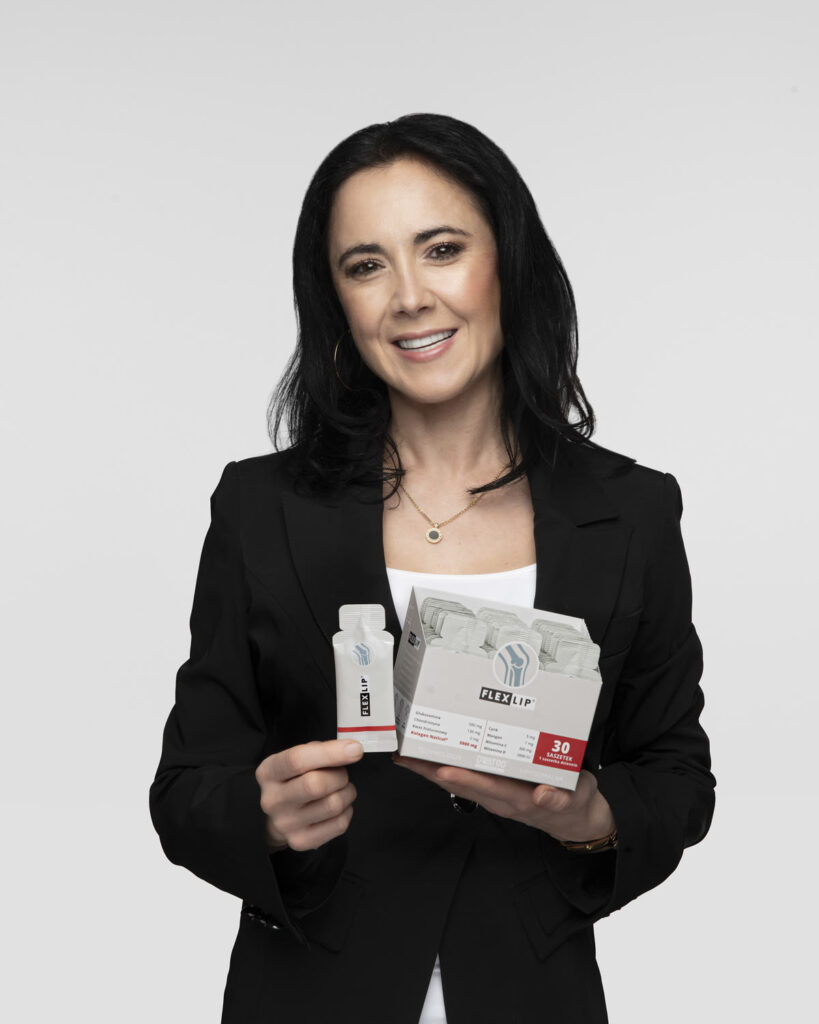
My name is Dorota Wątróbska-Świetlikowska, I am a pharmacist and a scientist holding a habilitated doctorate in pharmaceutical sciences. I decided to combine my scientific knowledge and my experience in order to create dietary supplements of the highest quality.
My passion and main area of research are submicron dispersion systems, such as submicron emulsions, liposomes and lipospheres. After obtaining my doctorate, I turned my attention to the practical aspects of parenteral nutrition, combining the needs of the patient with the possibilities of the pharmacist. What matters most to me is quality, safety and effectiveness , which is visible both in my scientific work and in my approach to creating the supplements of Dwatro Laboratories®.